

Top 3 Breathalyzers in Canada, 2026
A personal breathalyzer estimates your blood alcohol concentration from a breath sample. What it usefully tells you is roughly how much alcohol is still in your system — not whether you are fit to drive. That distinction matters in Canada, where the Criminal Code offence begins at 80 mg of alcohol per 100 mL of blood, most provinces add an immediate roadside licence suspension from around 50 mg, and novice and young drivers are held to zero. Consumer units are screening devices: they are not the certified instruments police use, they are not maintained or operated to any Canadian standard, and their readings carry no legal weight. Used honestly they are a morning-after sanity check, or a way to learn how your own body clears alcohol. If you have been drinking, the only safe reading is a ride home.
Inception's AI took the time to understand this market in Canada · · How we pickWe may earn a commission on purchases. It never affects our rankings.
Top Picks Summary
The BACtrack Trace Professional Breathalyzer is designed for precise and reliable alcohol level measurement. It features a professional-grade sensor that ensures accuracy and quick results, making it suitable for both personal and professional use. The sleek design and ease of use make it a preferred choice among users who need dependable breathalyzer performance. Its technology is unmatched in providing consistent and accurate readings.
Show More Personal Breathalyzers
We may earn a commission on purchases. It never affects our rankings.
$139.99CAD
The Dräger Alcotest 6820 is a market leader known for its precision and durability in breath alcohol testing. Incorporating advanced technology allows for rapid results and high accuracy, positioning it as a reliable tool for both professional and personal use. Its ergonomic design ensures comfortable handling and easy operation, appealing to a wide user demographic. Built to endure tough conditions, this breathalyzer consistently meets the specifications required in various industries.
Show More Professional Breathalyzers
Estimated$300 – $400
The DrinkMate Breathalyzer 2.0 takes personal alcohol testing to the next level with its quick and precise results, enhanced by a digital display that is easy to read. This device is particularly valued for its rechargeable battery, making it eco-friendly and economical. The DrinkMate emphasizes portability and ease of use, allowing users to conveniently monitor their BAC wherever they are. It's a must-have for people looking to make informed decisions about their drinking habits without the hassle of traditional breathalyzers.
Show More Smartphone Breathalyzers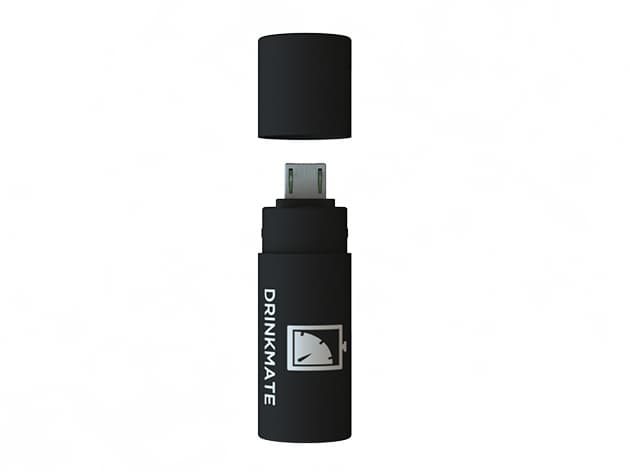
The breathalyzers worth buying use a fuel-cell sensor rather than a semiconductor one, publish a real accuracy figure, and can be sent back to the manufacturer for recalibration.
What a personal breathalyzer can and cannot tell you
Before you spend anything, it helps to know where these devices are genuinely useful and where they are not:
Sensor type is the whole ballgame. Fuel-cell (electrochemical) sensors oxidise ethanol specifically and hold their accuracy across hundreds of tests; cheap semiconductor sensors respond to many volatile compounds and drift quickly, which is why they can show wildly different numbers on repeat blows.
Every fuel-cell sensor loses calibration with use and age. Manufacturers including BACtrack and Dräger sell a factory recalibration service for exactly that reason, and a unit that has never been recalibrated should be treated as a rough indicator rather than a number.
Wait at least 15 to 20 minutes after your last drink, cigarette or mouthwash. Residual alcohol in the mouth inflates a reading enormously and is the single most common cause of a false high.
A reading below a legal threshold does not mean you are legal, and it certainly does not mean you are safe. Your BAC can still be rising after your last drink, provincial warn-range and zero-tolerance rules bite well below the criminal limit, and impairment starts before any number does.
DOT and NHTSA are US agencies. Their conforming-products listing shows a device passed an American screening-device protocol; it is not a Health Canada authorisation and it does not make a reading admissible or actionable here.
Budget for mouthpieces. Most units ship with a handful — the BACtrack Trace includes six — and replacements become an ongoing cost if you test often or share the device.
Frequently Asked Questions
Can a personal breathalyzer tell me if it is safe or legal to drive?
No. Consumer breathalyzers are screening devices with no legal standing in Canada, and a low reading is not clearance to drive. Your blood alcohol can still be climbing after your last drink, the Criminal Code offence begins at 80 mg of alcohol per 100 mL of blood, most provinces suspend licences at the roadside from around 50 mg, and novice and young drivers face a zero limit. If you have been drinking, do not drive.
Which breathalyzer on this list is the best pick for personal use?
The BACtrack Trace Professional. It uses BACtrack's platinum Xtend electro-chemical fuel-cell sensor rather than a semiconductor one, is rated to ±0.005 at 0.050% BAC, reads to three decimal places, ships with six mouthpieces, and meets the US DOT/NHTSA requirements for a breath alcohol screening device. It lists at about $139.99 CAD.
What is the difference between a fuel-cell and a semiconductor breathalyzer?
A fuel-cell sensor oxidises ethanol directly and produces a current proportional to it, so it responds to alcohol and little else and stays consistent across repeated tests. A semiconductor sensor changes resistance in the presence of many volatile compounds — ketones, solvents, even some foods — so it is cheaper but far more prone to false highs and to drift. Every device here that publishes a real accuracy figure uses a fuel cell.
Does a personal breathalyzer need to be calibrated?
Yes. Fuel-cell sensors drift with use and age, and manufacturers such as BACtrack and Dräger run a factory recalibration service for exactly that reason. Check the recalibration schedule in your model's manual before you rely on any reading — an uncalibrated unit that has sat in a glovebox for years is giving you an impression, not a measurement.
Conclusion
If you take one thing from this page: a breathalyzer is a tool for understanding your own drinking, not a licence to drive. When the number is anywhere near a limit, or you simply are not sure, the answer is the same — do not drive. Use the search bar if you want to compare specific models further.