

Top 5 High-Performing ETFs in 2026 for Stocks in Canada
Published on Sunday, January 4, 2026
Discover the dynamic world of high-performing ETFs that focus on stocks without being limited to a specific sector. These products allow you to diversify your investments while maximizing your return potential. In Canada, the appeal of these ETFs lies in their ability to provide diversified exposure while managing the risks associated with market volatility. Whether there are sector increases or declines, these adaptable ETFs can help investors navigate an ever-changing economic landscape.
Top Picks Summary
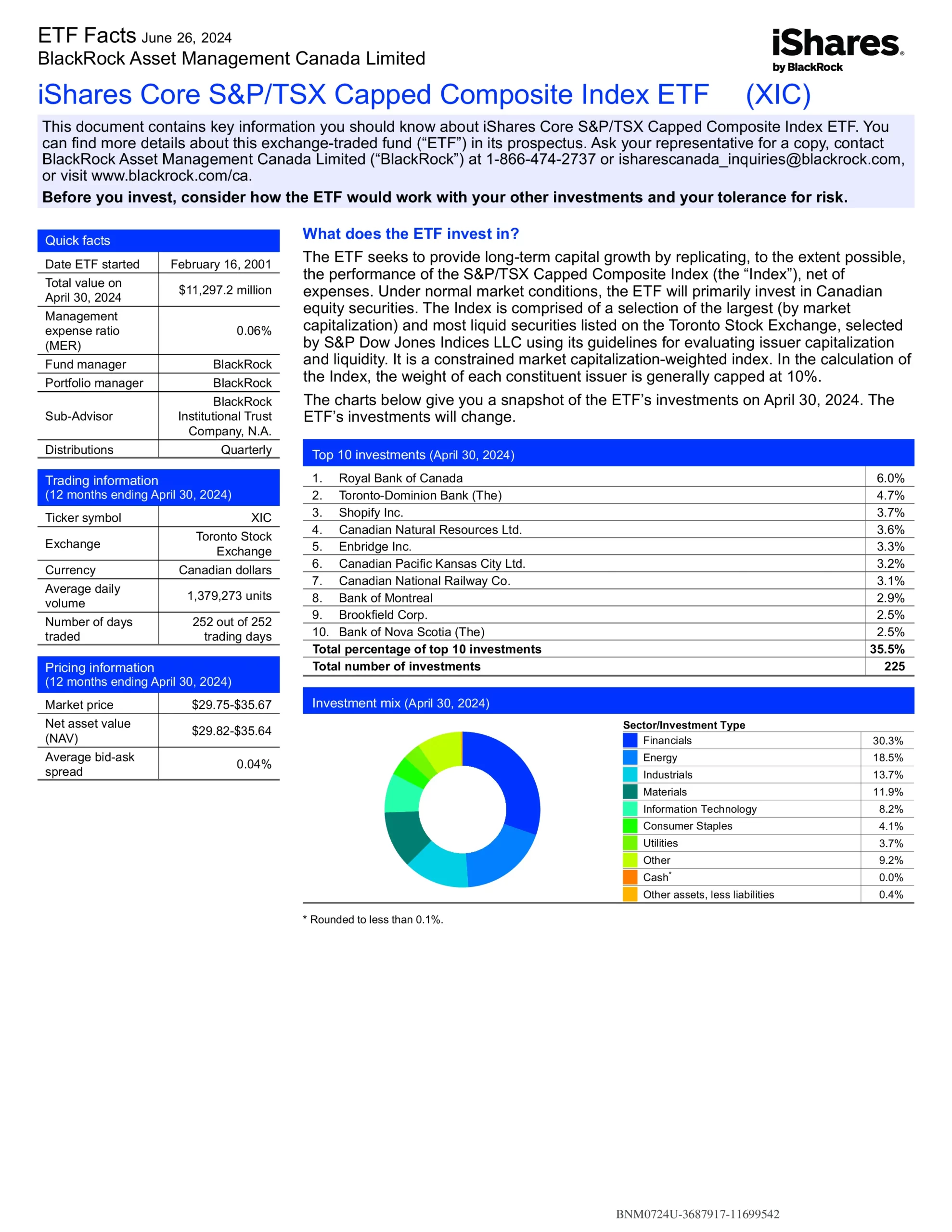
iShares Core S&P/TSX Capped Composite Index ETF (XIC)
The iShares Core S&P/TSX Capped Composite Index ETF (XIC) provides diversified exposure to large, medium, and small Canadian companies. With its low management fees and extensive coverage of the Canadian market, it often outperforms other similar funds. This product stands out for its ability to capture returns from the Canadian market while maintaining an optimized cost structure, making the investment strategy simple and effective.
Vanguard FTSE Canada All Cap Index ETF (VCN)
The Vanguard FTSE Canada All Cap Index ETF (VCN) is designed to provide exposure to the entire Canadian stock landscape, including small and large-cap stocks. Its manager, Vanguard, is known for its low-cost investment approaches. Compared to XIC, VCN offers slightly greater diversification due to its inclusion of small-cap stocks while maintaining a competitive fee policy.
![[ETF Soccer Scout Report] VCN.TO Vanguard FTSE Canada All Cap Index ETF ...](/_next/image?url=https%3A%2F%2Fi.ytimg.com%2Fvi%2F9zJRJEEX370%2Fmaxresdefault.jpg&w=3840&q=75)
iShares Core S&P 500 Index ETF (XUS)
The iShares Core S&P 500 Index ETF (XUS) replicates the performance of the S&P 500 Index, providing exposure to the largest American companies. This product is particularly valued for its high liquidity and low management fees. Compared to Canadian ETFs, XUS allows investors to access a larger market with greater growth opportunities, thereby facilitating portfolio diversification.
iShares Core MSCI All Country World ex Canada Index ETF (XAW)
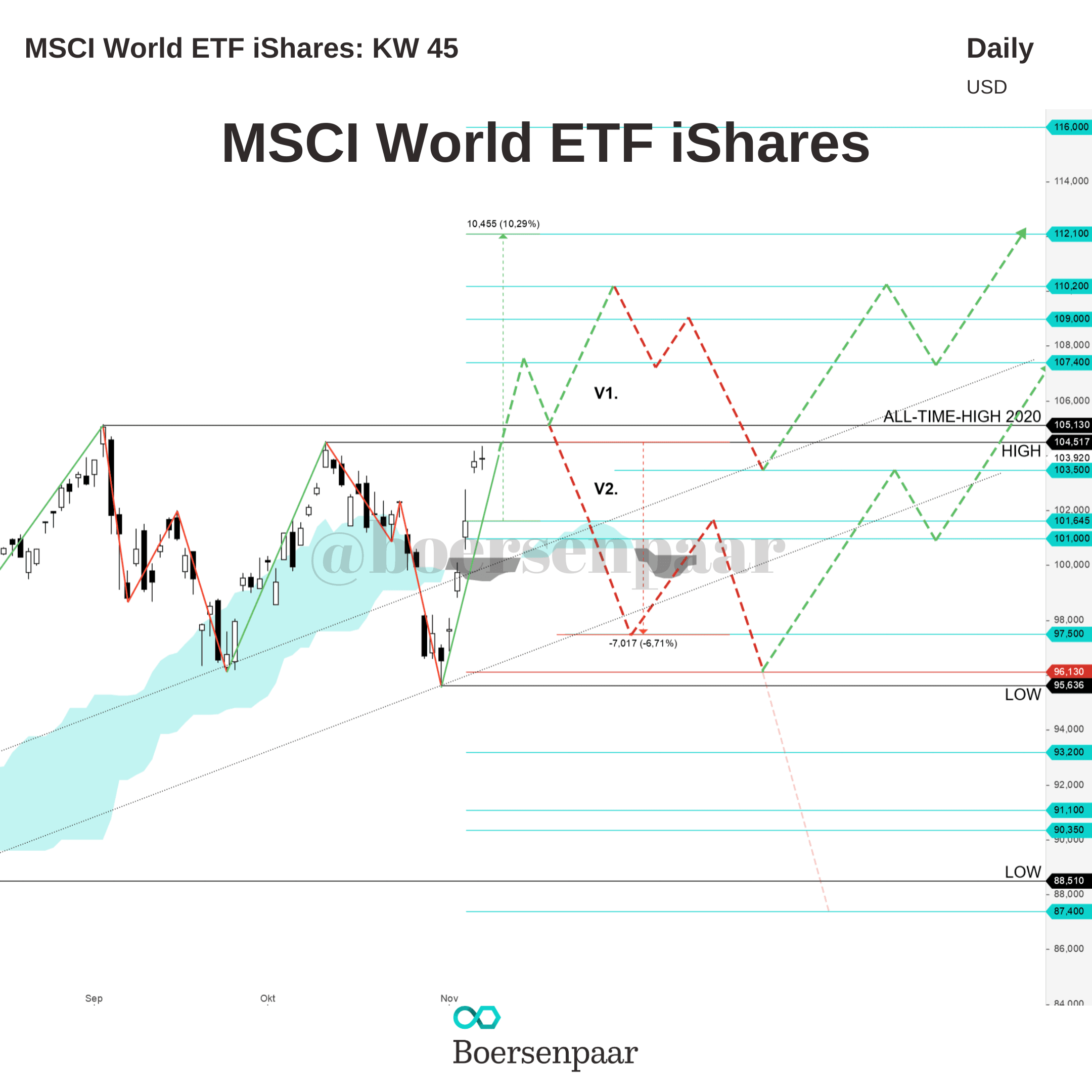
The iShares Core MSCI All Country World ex Canada Index ETF (XAW) offers exposure to international stocks, excluding Canada. This makes it a preferred choice for investors looking to diversify their portfolio geographically. XAW stands out for its low fees and broad global coverage, making it an ideal complement to XIC or VCN for reducing overall risk while capitalizing on global growth.
BMO MSCI ACWI Index ETF (ZAC)
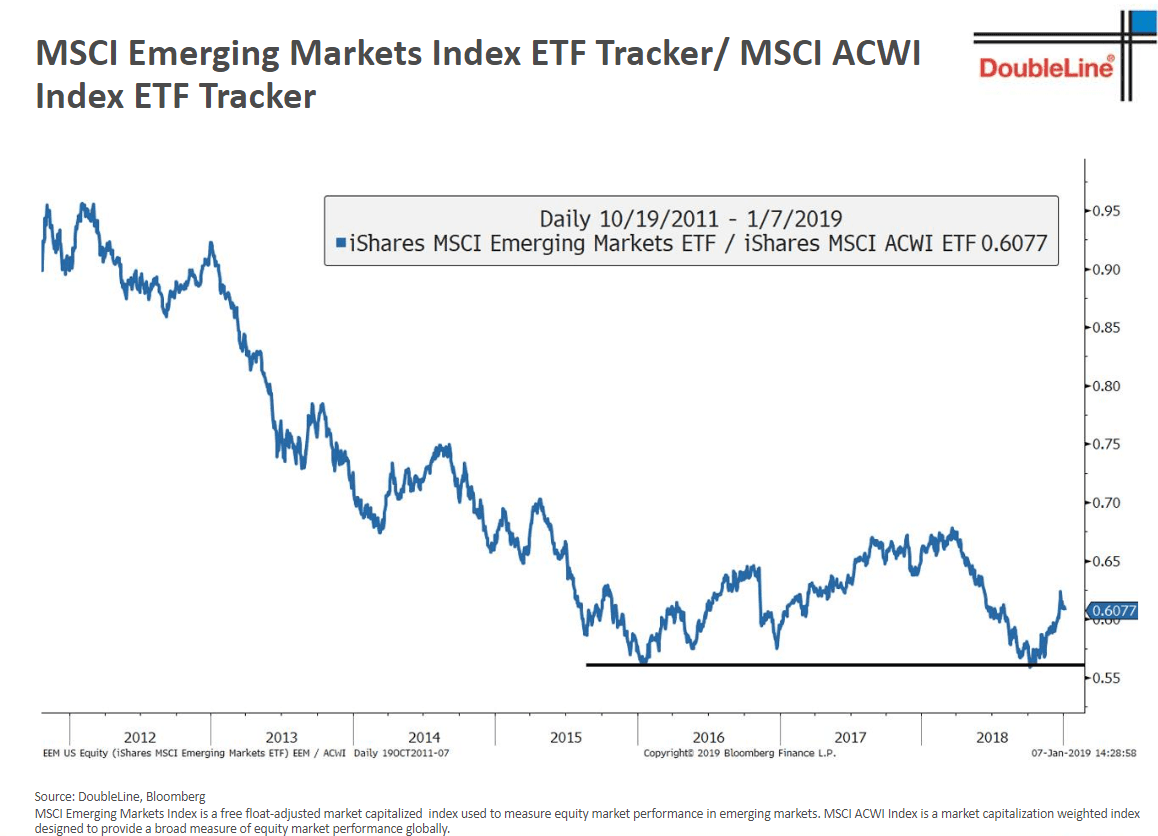
The BMO MSCI ACWI Index ETF (ZAC) replicates the performance of the MSCI All Country World Index, offering exposure to stocks worldwide, both developed and emerging. Its unique index tracking approach across various markets offers broad diversification. Compared to XAW, ZAC also includes emerging markets, thereby providing greater return potential with competitive cost management.
The best features of a high-performing no-specific sector ETF include optimal portfolio diversification, rigorous risk management, use of advanced technologies for data analysis, competitive management fees, and full transparency in its operations, all reinforced by positive user reviews and a solid reputation based on strong historical performance.
Understanding the Benefits of High-Performing ETFs
High-performing ETFs offer professional management while providing access to a wide range of stocks, thereby optimizing profitability.
ETFs offer instant diversification, reducing the individual investment risk in specific stocks.
They are often passively managed, resulting in lower management fees compared to traditional mutual funds.
A Morningstar study showed that most ETFs outperform mutual funds in the long term due to their management approach.
ETFs can be bought and sold like regular stocks on exchanges, providing liquidity that is attractive to investors.
They often track indices that include stocks from various sectors, allowing investors to benefit from overall market trends.
The transparency of ETFs enables investors to know exactly where their money is invested, enhancing confidence in their choices.
Frequently Asked Questions
Should I buy Vanguard FTSE Canada All Cap ETF VCN for diversification?
Choose Vanguard FTSE Canada All Cap Index ETF (VCN) if you want exposure to the entire Canadian stock landscape, including small and large-cap stocks, with an average rating of 4.6.
What does iShares Core S&P/TSX Capped Composite ETF XIC track?
iShares Core S&P/TSX Capped Composite Index ETF (XIC) tracks the S&P/TSX Composite Index, aiming for diversified exposure to large, medium, and small Canadian companies, with an average rating of 4.5.
How does XUS value compare to XIC for stock market exposure?
The provided data lists iShares Core S&P 500 Index ETF (XUS) at an average rating of 4.7, versus iShares Core S&P/TSX Capped Composite Index ETF (XIC) at 4.5; it’s not possible to compare prices because none are given.
Who is iShares Core S&P 500 Index ETF XUS for in Canada?
iShares Core S&P 500 Index ETF (XUS) is for Canadians seeking exposure to the largest US companies by tracking the S&P 500 Index, with an average rating of 4.7; warranty duration isn’t provided in the data.
Conclusion
In summary, investing in high-performing ETFs without a specific sector can provide you with a diversified and effective strategy to maximize your returns in Canada. We hope you found the information you were looking for. Feel free to use the search bar to explore more specific topics.