

Outdoor Cooking Fuel: Top 7 Options in Canada for 2026
Outdoor cooking fuel covers the charcoal, propane, and wood pellet options that power grills, smokers, and outdoor ovens in garden cooking settings. In Canada, these fuels are chosen for their ability to deliver consistent heat, desired flavor profiles, predictable burn times, portability and compatibility with common grill and smoker designs. Home cooks often pick briquettes for steady, long burns and easy temperature maintenance, lump charcoal for higher searing temperatures and a cleaner wood flavor, pellets for precise temperature control and low ash, and propane for instant, controllable heat and broad appliance compatibility. In recent Canadian market trends, buyers also weigh seasonal availability and environmental impact, driving demand for sustainably sourced pellets and certified low-emission options. The right fuel improves heat performance, reduces cooking time variability, and enhances flavor while fitting individual priorities such as convenience, cost, and lower emissions.
Inception's AI took the time to understand this market in Canada · · How we pickWe may earn a commission on purchases. It never affects our rankings.
Top Picks Summary
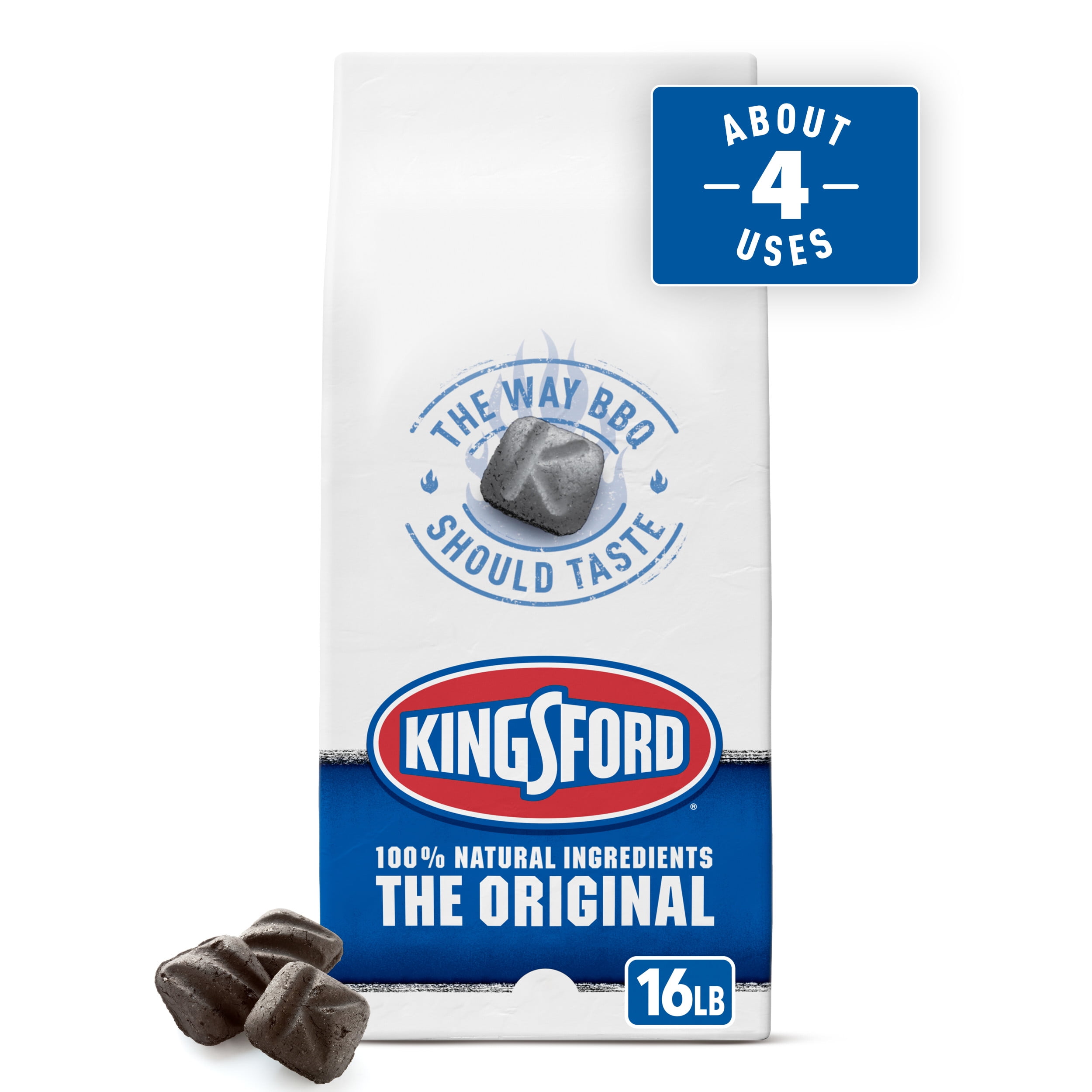
Kingsford Original Charcoal Briquettes
Kingsford Original briquettes are a market staple because they deliver consistent, long-lasting heat and a very low cost per cook compared with lump charcoal and hardwood pellets. Their uniform size and formulated binders make temperature management easier for casual outdoor cooks, although they lack the pure hardwood flavor profile of lump or specialty pellets. Compared to propane tanks, Kingsford is cheaper per bag and widely available, making it a budget-friendly choice for traditional charcoal grilling.
Royal Oak Lump Charcoal
Royal Oak Lump Charcoal is prized for its natural hardwood composition that lights quickly, burns hotter, and produces less ash than briquettes—making it ideal for searing and flavor-focused cooks. Its variable piece size and higher heat output give technical advantages for chefs seeking quick temperature spikes, though that variability can require more hands-on fire management and may be costlier per usable hour than briquettes. Compared to pellets and propane, lump charcoal offers a more authentic wood flavor at moderate cost, with cleanup savings thanks to reduced ash.

Estimated$20 – $40
Weber SmokeFire Hardwood Pellets Hickory
Weber SmokeFire Hickory pellets are engineered specifically for Weber pellet grills and hold a best-in-class position for outdoor cooking fuel thanks to their consistent size, low ash output, and strong, classic hickory smoke profile that pairs well with both long smokes and higher-temperature cooks. Technically optimized for steady temperature control on powered pellet grills, they typically command a premium price but can deliver longer controlled burns and reduced fuel waste compared with lump charcoal and some budget pellets. Compared with gas cylinders like Bernzomatic, they prioritize authentic smoke flavor and temperature stability rather than instant-on convenience.

We may earn a commission on purchases. It never affects our rankings.
$18.65CAD
Camp Chef Premium Hardwood Competition Blend Pellets
Camp Chef Competition Blend pellets offer a competition-style mix of hardwoods designed for maximum smoke complexity and high heat output, making them a market leader for cooks who want a balance of flavor and value in outdoor cooking fuel. They are often sold in bulk and priced more aggressively than single-flavor premium pellets like Weber, delivering strong technical performance (consistent pellet density and low ash) at a lower cost-per-hour of burn. Compared with lump charcoal from Fogo, these pellets provide easier temperature control for long cooks, while still offering deeper smoke than propane.

We may earn a commission on purchases. It never affects our rankings.
$56.13CAD
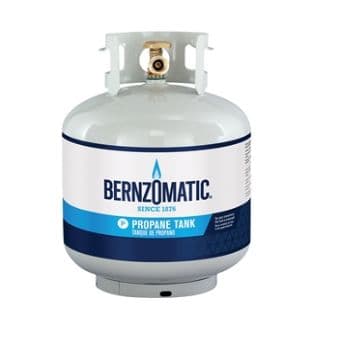
Bernzomatic 20 lb Propane Cylinder
The Bernzomatic 20 lb propane cylinder is the go-to market leader when instant, high-BTU output and cleanliness matter for outdoor cooking fuel—ideal for portable stoves, camp grills, and quick searing. Its technical advantage is predictable, adjustable heat delivery and near-zero ash or soot, which often translates to lower cleanup time and predictable fuel costs per hour compared with charcoal or pellets, though it sacrifices the wood-smoke character those fuels provide. Financially and operationally it can be more efficient for short-duration cooks compared with buying premium charcoal or pellets.
Estimated$60 – $110
Fogo Super Premium Lump Charcoal
Fogo Super Premium Lump Charcoal stands out as the market leader for natural lump charcoal by delivering very high BTU output, fast heat-up, and minimal ash—qualities prized for searing and traditional charcoal grilling in outdoor cooking. Technically it outperforms briquettes in heat intensity and purity (no fillers or binders), which can shorten cook times and reduce the amount of fuel needed despite a higher per-bag price, giving a cost-per-cook advantage for short, high-heat sessions. Compared to pellets (Weber, Camp Chef, Bear Mountain) it gives a more direct charcoal flavor and higher peak temperatures, though with less temperature control than pellet grills or propane.

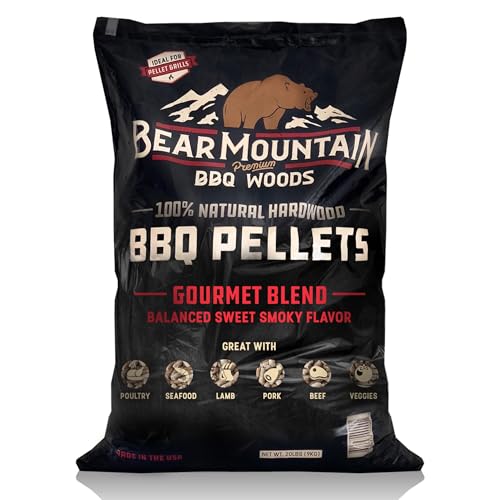
Bear Mountain BBQ All-Natural Hardwood Pellets Gourmet Blend
Bear Mountain BBQ Gourmet Blend pellets are a value-oriented, all-natural option in the outdoor cooking fuel market that combine multiple hardwoods for a balanced smoke profile and consistent burn at a competitive price. Financially positioned below many premium single-flavor pellets, they offer good technical performance—uniform pellet size, low moisture, and modest ash—making them an economical choice for everyday pellet-grill use without sacrificing flavor complexity. In comparison to Weber and Camp Chef premium lines, Bear Mountain emphasizes cost-effectiveness and steady performance, while still providing more smoke character than propane.
What Research and Testing Say About Outdoor Cooking Fuels
Laboratory tests, consumer product reviews, and emissions studies provide practical guidance about how different outdoor fuels perform. Research tends to focus on heat stability, combustion efficiency, smoke composition, and lifecycle sustainability. While specific results vary by product and testing method, the overall findings help home cooks choose fuels that balance flavor, control, and environmental concerns.
Heat stability and control: Comparative tests show that wood pellet systems provide the most precise temperature control because they feed fuel at a regulated rate, while propane delivers immediate and highly controllable heat for quick temperature changes.
Combustion efficiency and burn time: Briquettes deliver long, steady heat suited to low-and-slow cooking, whereas lump charcoal lights faster and reaches higher peak temperatures for searing. Burn-time differences are predictable and help plan cooking sessions.
Flavor and smoke compounds: Sensory panels and chemical analyses indicate that natural hardwood fuels (lump and premium pellets) impart clearer wood-derived flavors, while briquettes can produce steadier heat with a milder smoke profile depending on binder content.
Emissions and air quality: Studies show that combustion emissions vary by fuel type and combustion completeness. Using certified, sustainably sourced pellets and well-ventilated, efficient appliances reduces particulate and volatile emissions compared with inefficient burning.
Sustainability and sourcing: Lifecycle assessments emphasize that sustainably managed wood sources and low-waste production methods lower net environmental impact. Reputable suppliers provide chain-of-custody or sustainability claims that can be verified.
Safety and convenience: Propane cylinders and regulated pellet feed systems reduce the need for on-site fuel tending, lowering user exposure to smoke and hot ash. Proper handling and storage remain important across all fuel types.
Frequently Asked Questions
Which fuel should I pick for everyday backyard grilling?
Choose Kingsford Original Charcoal Briquettes for everyday grilling because they provide consistent heat and long-lasting burn time, with uniform size and formulated binders that make temperature management easier.
Do Weber SmokeFire Hickory pellets have low ash output?
Yes—Weber SmokeFire Hardwood Pellets Hickory are formulated for consistent burn and low ash in pellet grills, made from 100% hickory hardwood for a strong traditional smoke flavor.
Is Weber SmokeFire Hickory worth the 30.99 price?
Weber SmokeFire Hardwood Pellets Hickory cost $30.99 CADand come in a standard 9–10 kg bag, offering 100% hickory hardwood flavour plus consistent burn and low ash for pellet grills.
Are Kingsford briquettes compatible with SmokeFire pellet grills?
No—Kingsford Original Charcoal Briquettes are charcoal briquettes, while Weber SmokeFire Hardwood Pellets Hickory are packaged for SmokeFire and most pellet grills, so the intended compatibility differs.
Conclusion
In Canada, outdoor cooking fuel choices come down to the performance and priorities that matter to you. If you want steady long burns, Kingsford Original Charcoal Briquettes are a reliable pick; for hot, clean-searing heat, Royal Oak Lump Charcoal and Fogo Super Premium Lump Charcoal excel; for precise pellet grilling and consistent smoke flavor, Weber SmokeFire Hardwood Pellets Hickory, Camp Chef Premium Hardwood Competition Blend Pellets, and Bear Mountain BBQ All-Natural Hardwood Pellets Gourmet Blend offer strong options; and for instant, controllable heat and broad appliance compatibility, the Bernzomatic 20 lb Propane Cylinder is convenient. For most backyard cooks who want consistent temperature control and great flavor with wide availability, Weber SmokeFire Hardwood Pellets Hickory is the best overall choice on this list. I hope you found what you were looking for — use the site search to refine by fuel type, flavor profile, burn time, or sustainability to expand or narrow your results.