

Top 7 Serial Bus Communication Modules in Canada for 2025: An Engineer-Vetted Guide to Galvanic Isolation, Multi-Protocol Support and Marine-Grade Reliability — Which Option Fits Your Project?
Serial bus communication modules provide RS485, RS232, CAN and other multi-drop bus interfaces to link controllers, sensors and actuators across longer distances. These modules are prized for their ability to extend reliable data links beyond the limits of single-ended interfaces, reduce noise through differential signaling, and protect equipment with galvanic isolation. In Canada, buyers favor modules that combine multi-protocol flexibility (Modbus RTU, CAN, proprietary protocols), deterministic bus management for real-time control, and rugged connectors or enclosures for coastal, marine and cold-climate deployments. Popular trends include integrated galvanic isolation to prevent ground loops, broad protocol support to simplify integration with PLCs and IoT gateways, marine-grade or IP-rated hardware for harsh environments, and deterministic features that make distributed systems such as aquarium automation or aquaculture control more reliable and predictable.
Inception's AI took the time to understand this market in Canada · · How we pickWe may earn a commission on purchases. It never affects our rankings.
Top Picks Summary
Waveshare RS485 CAN HAT for Raspberry Pi
The RS485 CAN HAT for Raspberry Pi is an affordable, flexible solution that converts a Pi into a differential-bus interface supporting RS485 and CAN, making it ideal for custom serial-bus aquarium controller projects. It provides excellent price-to-feature value and protocol freedom compared with proprietary controller modules, but lacks aquarium-specific firmware and vendor support—so it favors experienced integrators who prioritize cost and customization.
Show More Differential Interface Modules for Serial Bus Aquarium Controllers
GHL ProfiLux PAB Cable Interface
GHL's ProfiLux PAB Cable Interface is best-in-class for industrial-grade signal integrity and professional-grade connectors, making it a strong choice when long runs or electrically noisy environments challenge single-ended serial buses. Against Neptune's Aquabus it trades off some ecosystem ubiquity for superior physical robustness and electrical reliability, while remaining pricier than DIY-friendly options like the Reef Angel I2C expansion.
Show More Single Ended Interface Modules for Serial Bus Aquarium Controllers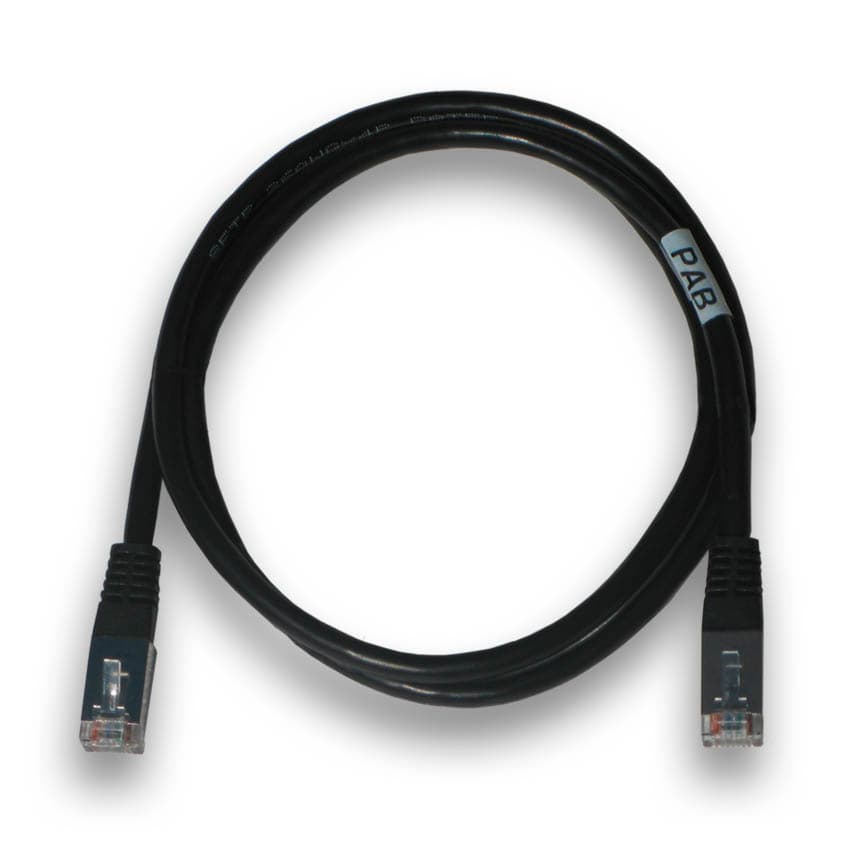
Estimated$80 – $160
The PEAK PCAN-USB Interface is an industrial-grade USB-to-CAN adapter with mature drivers, deterministic timing, and strong software tooling, making it the top choice for serial-bus aquarium systems that need reliable multi-node control and long-term data logging. Compared with the other adapters listed, it commands a higher upfront price but delivers certified support and ruggedness that outperforms hobbyist-focused options like the CANable Pro and simple transceiver boards for production or mission-critical aquarium installations.
Show More CAN Bus Interface Modules for Serial Bus Aquarium Systems
Estimated$90 – $150
GHL ProfiLux PAB Power Bar
GHL’s ProfiLux PAB is the market leader for robust power distribution in serial-bus aquarium installations, featuring channel-level galvanic isolation and industrial-grade protection that reduces interference across long bus runs. Although it carries a premium compared with Neptune and CoralVue modules, its scalability, fused outputs and superior electrical isolation make it the preferred choice for large or professional systems where minimizing electrical noise and avoiding corrosion-driven faults delivers better long-term financial value.
Show More Galvanic Isolated Interface Modules for Serial Bus Aquarium Systems
We may earn a commission on purchases. It never affects our rankings.
Estimated$220 – $350
MOXA MGate MB3180 Modbus Gateway
The MOXA MGate MB3180 Modbus Gateway is an industrial-grade Modbus gateway that excels when aquarium controllers must interoperate with larger automation networks, offering robust Modbus TCP/RTU bridging, enterprise security features, and long-term field reliability. Technically it outperforms hobbyist-targeted modules on protocol flexibility and diagnostics, justifying its higher price for professional or public aquarium installations while potentially being over‑spec for simple home setups compared to Neptune or GHL.
Show More Multi Protocol Interface Modules for Serial Bus Aquarium Controllers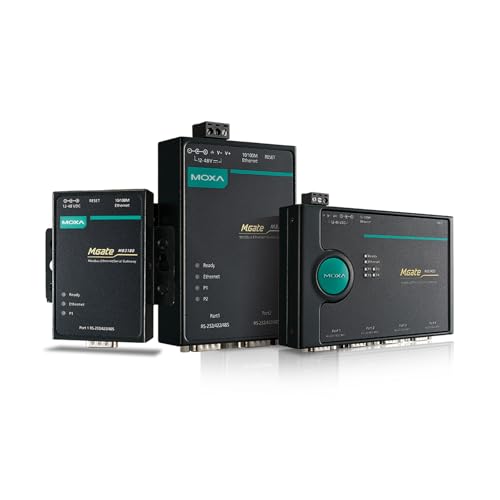
Ecotech Marine ReefLink Communication Module
Ecotech Marine's ReefLink Communication Module serves as a marine-grade wireless bridge and serial-bus interface optimized for Ecotech pumps, lights, and controllers, enabling low-latency remote command and telemetry. Its key advantage is tight integration with Ecotech’s ecosystem and robust RF communications, which can cut cabling and installation labor compared with purely wired modules like the AquaBus. Positioned at the premium end, it often yields installation cost savings where wireless control reduces infrastructure or when controlling high-value equipment requires dependable remote access.
Show More Marine Grade Connector Interface Modules for Serial Bus Aquarium Systems
Estimated$120 – $180
Neptune Systems Apex Controller
The Neptune Systems Apex EL Controller earns a top position by pairing a mature, widely adopted ecosystem with a deterministic serial-bus design that prioritizes predictable scheduling and low-latency sensor/actuator updates for aquarium networks. Compared with the ProfiLux and HYDROS offerings, Apex EL sits in the mid-to-high price tier but offsets cost with a large third‑party accessory marketplace and proven reliability, making expansion and long‑term ownership more financially predictable for serious hobbyists and small operations.
Show More Deterministic Bus Controller Modules for Serial Bus Aquarium Networks
Estimated$300 – $450
What Research and Industry Evidence Say About Serial Bus Design Choices
Engineering literature, EMC testing standards and industrial case reports consistently show that the correct choice of physical layer, isolation and connector hardware materially affects long-distance reliability, uptime and safety. The core technical principles are well established: differential signaling reduces electromagnetic interference, galvanic isolation prevents destructive ground loops, and deterministic bus management minimizes latency jitter for time-critical control. Below are accessible summaries of the evidence and practical takeaways for buyers and system designers.
Differential signaling (RS485, CAN) improves noise immunity: laboratory and field tests used in industrial EMC compliance demonstrate that differential pairs reject common-mode noise better than single-ended links, enabling longer cable runs in electrically noisy environments.
Galvanic isolation reduces ground-loop failures: industrial reports and failure analyses show that isolated transceivers significantly lower the rate of communication faults and device damage when sensors and controllers share varied ground potentials—especially common at remote or marine sites.
Multi-protocol support speeds deployment and reduces parts count: system-integration case studies indicate that modules supporting Modbus RTU, CAN and configurable serial bridges reduce engineering time and spare-parts complexity in multi-vendor installations.
Marine-grade connectors and IP-rated enclosures extend service life in coastal and aquaculture settings: corrosion resistance and ingress protection translate into fewer field failures and lower lifetime maintenance costs in Canadian coastal installations.
Deterministic bus management improves control stability for distributed automation: studies of time-sensitive industrial networks and control-system benchmarks show that predictable message scheduling and low jitter are essential for synchronized actuators and distributed aquarium or aquaculture controllers.
Standards matter: RS-232/RS-485 (TIA/EIA), CAN (ISO 11898) and EMC standards (IEC 61000 series) provide measurable specs designers can use to compare modules and validate compliance in critical installations.
Practical testing is indispensable: vendor datasheets are a starting point, but real-world bench EMC testing, long-run soak tests and environment-specific trials (cold, salt spray, vibration) are commonly recommended by Canadian integrators before large rollouts.
Frequently Asked Questions
Which module should I buy for Neptune Apex integration?
Choose the Neptune Systems Aquabus Cable Module for native Aquabus connector integration with Neptune Apex ecosystems, with an average rating of 4.3 and simple single-ended cable topology for plug-and-play expansion.
What exact measurement and logging does the GHL ProfiLux PAB do?
The GHL ProfiLux PAB Power Analysis Board provides per-channel power, voltage, and current monitoring, reporting detailed energy usage to ProfiLux via its serial bus, with average rating 4.6.
How does Seeed Studio CAN-BUS Shield V2.0 price compare value?
The Seeed Studio CAN-BUS Shield V2.0 lists at CA$64.99, and includes an MCP2515 CAN controller with onboard transceiver plus bus terminals and a termination jumper for quick setup.
Is the Seeed Studio CAN-BUS Shield V2.0 Arduino compatible?
Yes—the Seeed Studio CAN-BUS Shield V2.0 is Arduino-compatible using its MCP2515-based CAN interface with an onboard transceiver and Arduino shield form factor; it has an average rating of 4.2.
Conclusion
Whether you are automating aquaculture systems, connecting remote sensors in a smart building or upgrading industrial controllers, choosing a serial bus module that balances isolation, protocol flexibility and ruggedness will help avoid downtime and simplify maintenance in Canada’s varied environments. We hope this guide helped you narrow the field — if you want to refine results by protocol, enclosure rating, or application (marine, industrial, aquarium automation), use the site search or filters to expand or focus your options.