

Top 5 Compost and Manure Odor Control Injectors in Canada for 2025: Guide to Rugged, Corrosion-Resistant Injection Systems
Rugged injection systems engineered to deliver odor neutralizers and biofiltration enhancers into compost piles and manure handling systems are becoming essential equipment for Canadian farms, municipal works and waste processors. This category focuses on machines designed for corrosion resistance, adjustable injection depth and rates, and compatibility with biological additives that reduce odours and emissions. Canadian buyers prioritize durability for cold climates, ease of maintenance, precise dosing to protect nutrient value, and compatibility with common bio-additives. The result is equipment that reduces neighbour complaints, helps meet regional environmental requirements, and improves on-site air quality while preserving the agronomic value of manure and compost.
Inception's AI took the time to understand this market in Canada · · How we pickWe may earn a commission on purchases. It never affects our rankings.
Top Picks Summary
Phiber Manufacturing Manure Injector System
Phiber Manufacturing's Manure Injector System is positioned as a precision, low-disturbance injector optimized for compost and manure odor control, using modular booms and injection depth control to place amendments where they neutralize volatile compounds fastest. It outshines heavier, high-capacity units on smaller-to-mid size farms by delivering lower up-front cost and reduced maintenance, while trading some throughput compared with larger Nuhn or GEA lagoon solutions. For operators focused on targeted odor mitigation and long-term operating savings, Phiber’s system offers a favorable balance of technical control and total cost of ownership.
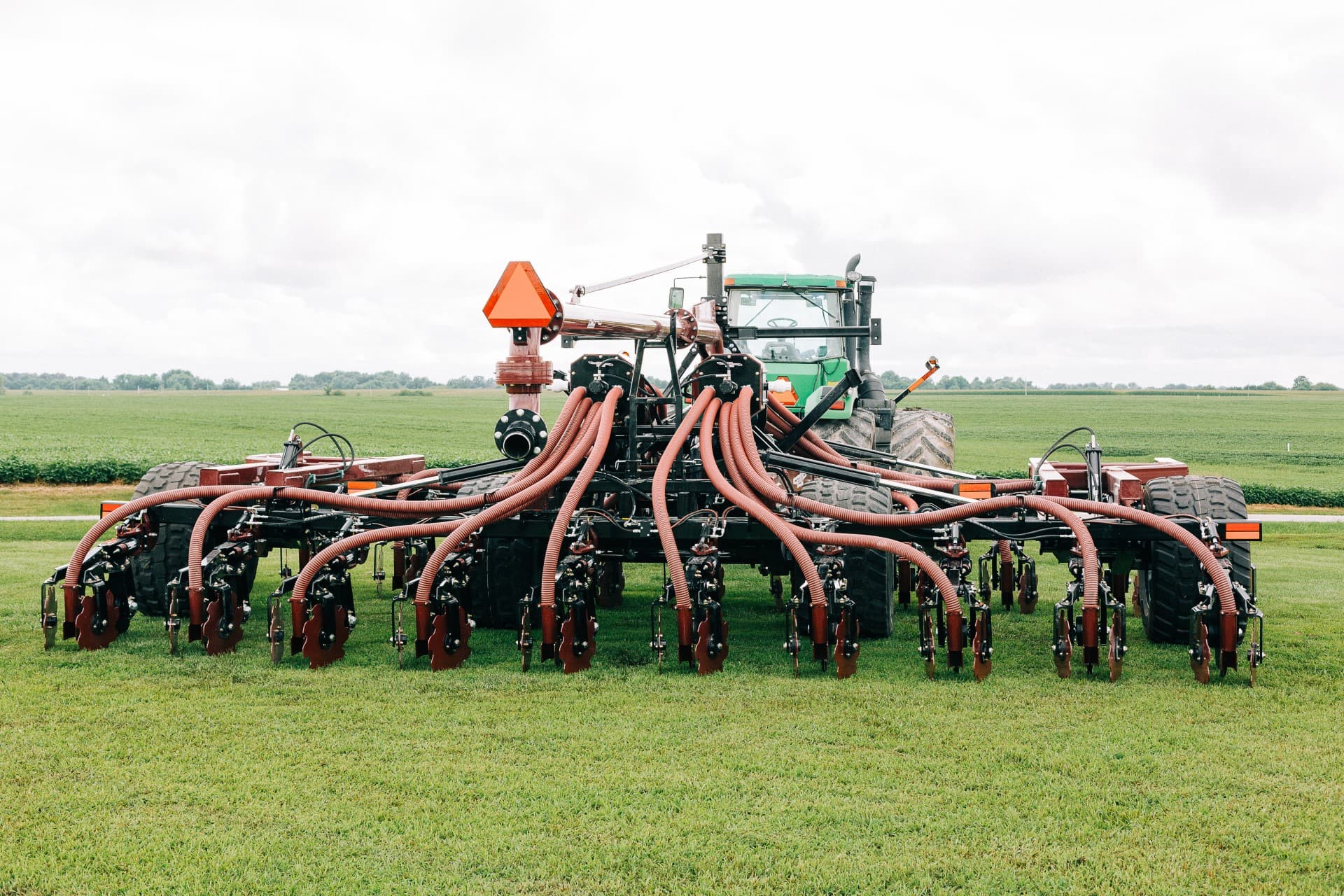
Nuhn Industries Quad Train Injector
The Nuhn Quad Train Injector is a market-leading, high-capacity injector built for continuous, even placement of liquid manure and odor-control amendments across large acreage, offering robust components that minimize downtime in intensive operations. Technically it exceeds many rivals in pump capacity, multi-row coverage and heavy-duty durability, which translates to lower per-acre operating costs at scale versus smaller Balzer or Phiber units despite a higher capital outlay. For commercial compost and manure management where throughput and reliability are primary, the Quad Train delivers superior productivity and predictable lifecycle costs.

Estimated$30,000 – $65,000
Balzer Magnum Liquid Injector
Balzer’s Magnum Liquid Injector targets farms that want a cost-effective, compact injector that’s easy to retrofit to existing equipment, providing good injection depth and straightforward serviceability for odor control tasks. While it does not match the sheer capacity of Nuhn or the lagoon-specific pumping of GEA Houle, Balzer’s lower purchase price and reduced complexity give smaller operations a faster return on investment and simpler maintenance profile. Its financial advantage is clear for mid- and small-scale users needing reliable odor reduction without large capital commitments.

We may earn a commission on purchases. It never affects our rankings.
Estimated$12,000 – $30,000
Husky Farm Equipment Liquid Manure Injector
Husky’s Liquid Manure Injector balances rugged construction with mid-range capacity, aiming at farms that require dependable injection performance and broad compatibility with common manure handling systems. Technically it offers deeper injection and stronger frame options than many compact models like Balzer, yet remains more affordable and easier to operate than the largest Nuhn train systems, making it a practical choice for operations scaling up odor control practices. The product’s strong dealer support and parts availability further lower lifecycle costs for regional operators.
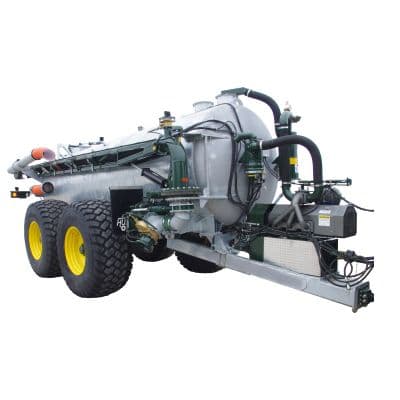
Estimated$8,000 – $22,000
GEA Houle Lagoon Pump Injector
The GEA Houle Lagoon Pump Injector is engineered specifically for lagoon and high-solids applications, pairing industrial-grade pumps and corrosion-resistant materials to inject odor-control amendments directly from lagoon systems with minimal clogging. It stands apart technically from tractor-mounted injectors by offering greater suction capacity and continuous lagoon integration, which justifies its higher upfront investment through reduced downtime and more effective odor abatement on large, lagoon-based operations. For producers managing lagoon odors and heavy solids, GEA Houle delivers the specialized pumping performance and long-term reliability that other injectors cannot match.

What Research Says About Injection-Based Odor Control
Multiple field trials and extension studies across North America, including Canadian research programs and provincial extension services, have evaluated injection as a technique to reduce volatile emissions and improve the effectiveness of odor-control products. Injection places neutralizers or microbial enhancers below the surface layer where volatilization starts, increasing contact time and reducing losses to the atmosphere. For beginners, the core idea is straightforward: applying odor-control chemistry or biology directly into manure or compost reduces surface exposure, slows volatilization, and helps beneficial microbes establish where they work best. Research also emphasizes matching injector design and materials to the site conditions (cold, abrasive solids, corrosive liquids) to maintain performance and lifespan.
Injection reduces surface volatilization by delivering neutralizers beneath the pile or slurry surface, improving contact with odor sources and lowering off-site odor.
Studies and field trials report improved retention of nitrogen and reduced ammonia losses when additives are applied by injection versus surface dosing.
Compatibility with biological additives (inoculants and biofiltration enhancers) improves when injected into active zones, supporting microbial establishment and activity.
Corrosion-resistant materials and adjustable injection rates are critical design factors for long-term reliability in Canadian climates and high-solids manure systems.
Research from agricultural extension programs highlights operational best practices: calibrate injection rates, monitor additive compatibility, and maintain anti-freeze and anti-corrosion measures for winter use.
Frequently Asked Questions
Which injector should I pick for compost manure odour control?
For large acreage and high-capacity, choose the Nuhn Industries Quad Train Injector, which has a four-train configuration for even, multi-row application and corrosion-resistant materials and seals for reliable slurry handling; it averages a 4.6 rating.
How deep can the Balzer Magnum Liquid Injector inject?
The Balzer Magnum Liquid Injector uses a robust knife-style injection system for deep placement with reduced odours, and it’s modular with replaceable knives and wear parts for low downtime; it averages a 4.4 rating.
Is the Balzer Magnum Liquid Injector cheaper than Nuhn?
The provided data lists only ratings and specs, with no prices for the Balzer Magnum Liquid Injector or the Nuhn Industries Quad Train Injector, so I can’t compare costs from this page; Balzer averages 4.4 and Nuhn averages 4.6.
What is the Balzer Magnum Liquid Injector compatible with?
The Balzer Magnum Liquid Injector is compatible with both tankers and side-discharge systems for flexible use, using knife-style deep placement and replaceable knives and wear parts; it averages a 4.4 rating.
Conclusion
In the Canadian context the right injector can make a measurable difference for farm operations and waste processors managing odour and emissions. This guide features five leading systems: Phiber Manufacturing Manure Injector System, Nuhn Industries Quad Train Injector, Balzer Magnum Liquid Injector, Husky Farm Equipment Liquid Manure Injector, and GEA Houle Lagoon Pump Injector. Each model brings strengths — from field-proven durability to precision dosing and cold-climate features — but for most Canadian farms and mixed-use sites the Phiber Manufacturing Manure Injector System stands out as the best overall choice thanks to its balance of rugged construction, corrosion-resistant components and flexible injection settings. We hope you found what you were looking for; use the site search to refine by application, flow rate or additive compatibility if you want to expand or narrow your options.