

Top 5 Standalone Car Audio DSPs in Canada for 2026
Standalone Car Audio Digital Signal Processors for 2026 deliver high-performance in-dash or rack-mounted processing with crossover, equalization, time alignment, and multi-band dynamics tailored for custom car audio systems. These units are built for installers and enthusiasts who demand precise tuning, flexible signal routing, and reliable integration with factory or aftermarket source units. In Canada, demand for standalone DSPs is driven by a strong installer network, a growing culture of audio customization, and the shift to quieter electric vehicles that expose more detail in audio systems. Buyers typically prioritize intuitive tuning tools, support for high-resolution inputs, robust latency management for time alignment, advanced filtering (FIR/IIR), and compact, weather-tolerant hardware for varied Canadian climates. The best DSPs combine measurement-driven features with user-friendly software and professional I/O to deliver clearer imaging, controlled dynamics, and system protection across city, highway, and cold-weather conditions.
Inception's AI took the time to understand this market in Canada · · How we pickWe may earn a commission on purchases. It never affects our rankings.
Top Picks Summary
Helix DSP Ultra
Helix's DSP Ultra is the brand's flagship standalone car audio processor, prized for its extensive channel routing and very granular tuning tools that appeal to professional installers and ambitious DIYers. Compared with the other units in this list it emphasizes higher native channel capacity and advanced processing options—trading a premium price for German engineering and software ergonomics that many tuners prefer over the simpler workflows of AudioControl or Alpine and the audiophile focus of Mosconi.
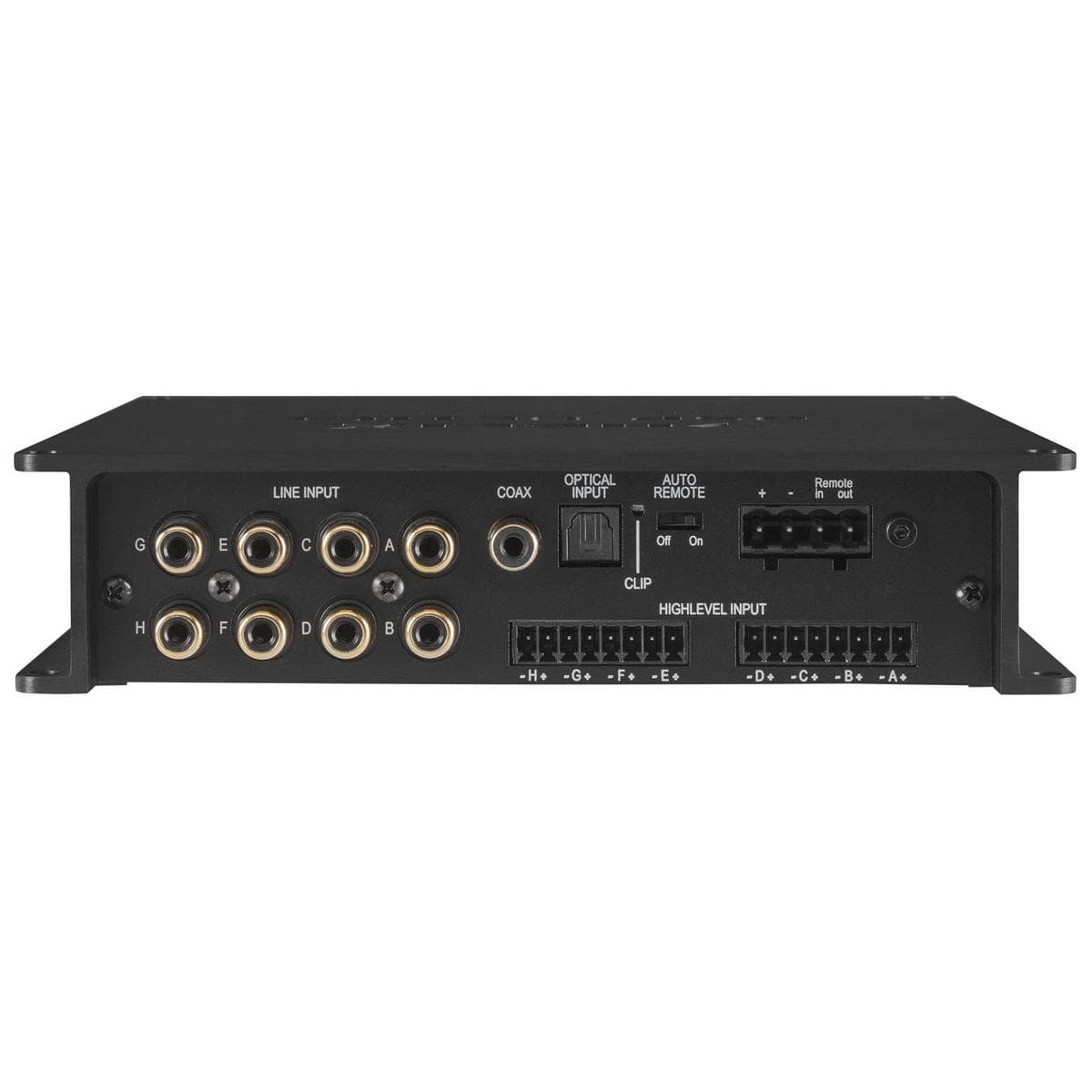
Estimated$1,399 – $1,699
AudioControl DM-810
The AudioControl DM-810 is a performance-oriented 8-channel DSP that delivers a balanced mix of sonic control and value, targeted at installers who want professional features without flagship-level cost. Against peers like Helix and Mosconi it undercuts on price while still offering robust time-alignment, crossover and routing capabilities, and its North American support and installer-friendly design often reduce setup time on real-world retrofit jobs.

JL Audio TwK-88
JL Audio's TwK-88 emphasizes musicality and seamless integration with JL amplifiers, giving installers a controller that prioritizes signal purity and straightforward tuning workflows. It forgoes the extreme channel counts of some competitors in favor of tight system integration and a focused feature set, making it an excellent choice for customers who want a turnkey, sonically coherent solution—especially when pairing with JL power components.

Estimated$999 – $1,299
Mosconi DSP 6to8 Aerospace
Mosconi's DSP 6to8 Aerospace is aimed at audiophile installations, offering very low-noise converters and high-resolution processing that deliver exceptional transparency and headroom for critical listeners. Technically it often outperforms peers in raw fidelity and sonic neutrality, but that refinement comes at a premium and with a steeper learning curve than more installer-oriented models like AudioControl or Alpine.
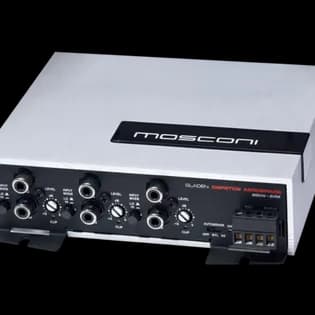
Estimated$1,299 – $1,599
Alpine PXE-C80-88
Alpine's PXE-C80/C88 lineup is optimized for OEM integration and installer convenience, providing vehicle-specific interfaces, straightforward tuning tools and competitive pricing that make it well-suited for retrofit projects. While it may not match the boutique sonic signatures or maximum channel counts of Helix and Mosconi, its balance of compatibility, cost-effectiveness and ease-of-use positions it as a practical market leader for everyday standalone DSP installations.

Why DSPs Work: Research-Backed Benefits Explained
Digital signal processing in car audio is supported by research in acoustics, psychoacoustics, and signal processing. Studies and technical literature show that precise equalization, time alignment, and properly implemented crossover and dynamic control measurably improve perceived clarity, imaging, and loudness control. DSPs let tuners correct for vehicle-specific acoustic problems, reduce inter-driver interference, and shape the frequency response to match human hearing characteristics under realistic cabin conditions. The result is a more natural, less fatiguing listening experience and higher measured fidelity when objective testing is applied.
Time alignment improves imaging and stage placement by aligning driver arrival times; this leverages the precedence effect documented in psychoacoustics.
Equalization and FIR filtering reduce frequency response irregularities caused by the vehicle cabin, producing flatter measured responses and clearer midrange detail.
Multi-band dynamics and crossover networks reduce driver distortion and protect components by controlling peaks and distributing power efficiently.
Objective measurements (SPL sweeps, impulse response) paired with DSP corrections reliably translate into subjective improvements for listeners across multiple studies and industry best practices.
Measurement-based tuning using a DSP shortens tuning time and yields repeatable, verifiable results compared with trial-and-error adjustments.
Conclusion
In Canada for 2026, standalone DSPs remain the cornerstone of serious car audio builds. The five top processors featured here—Helix DSP Ultra, AudioControl DM-810, JL Audio TwK-88, Mosconi DSP 6to8 Aerospace, and Alpine PXE-C80-88—cover a range of workflows from installer-focused rack systems to enthusiast-friendly in-dash solutions. For most Canadian buyers seeking the best balance of tuning power, features, and usability, the Helix DSP Ultra stands out as the top choice thanks to its advanced filtering, extensive I/O, and refined tuning software. If you did not find exactly what you wanted, try refining your search or expanding filters to focus on inputs, outputs, form factor, or integration features. I hope you found what you were looking for and that this list helps you pick the right DSP for your build.