

Top 5 Satellite Radio Modules for Vehicle Digital Radio Tuners in Canada - 2026
Satellite radio modules are receiver components designed for subscription satellite radio services that deliver nationwide coverage, consistent signal quality, and integrated decryption and access control. Typical designs include dedicated antenna interfaces, optimized low-noise amplifier (LNA) front ends, and compliance with major satellite provider specifications such as SiriusXM in Canada. These modules appeal to Canadian consumers and fleets because they provide reliable audio and data services across vast and rural regions where cellular coverage can be limited, simplify OEM and aftermarket integration with modern head units and telematics systems, and protect content with built-in access control. Market trends in Canada favor modular, upgradeable components that support over-the-air updates, compatibility with infotainment ecosystems, and robust performance for long-distance travel, commercial fleets, and recreational use.
Inception's AI took the time to understand this market in Canada · · How we pickWe may earn a commission on purchases. It never affects our rankings.
Top Picks Summary
SiriusXM SXV300 Connect Vehicle Tuner
The SXV300 is positioned as the aftermarket best-in-class tuner for vehicle digital radio tuners thanks to its broad compatibility, robust feature set and reliable satellite reception. It outperforms the lower-cost SXV200 on connectivity and signal sensitivity while offering a more flexible, installer-friendly package than the OEM-focused NGVA1 and a fuller feature set than the compact SXM17V1. Available now, it represents a strong balance of technical capability and long-term value for owners upgrading factory radios or adding satellite capability.

Estimated$100 – $150
SiriusXM SXVCT1 Commander Touch Vehicle Tuner
The SXVCT1 Commander Touch is the market-leader for integrated in-dash satellite radio interfaces, combining a touchscreen controller with SiriusXM reception to deliver a unified user experience. It differentiates itself from the tuners-only SXV300 and SXV200 by providing a dedicated control surface and enhanced vehicle integration, while offering a more user-centric option than the OEM NGVA1 and a richer interface than the compact SXM17V1. For fleets or consumers seeking an intuitive, premium control solution, it justifies its higher up-front cost with better ergonomics and installer-friendly integration.
Estimated$220 – $320
SiriusXM SXV200 Connect Vehicle Tuner
The SXV200 is the value-oriented aftermarket satellite tuner, delivering core SiriusXM Connect features at a lower price point than the SXV300 and SXVCT1. It sacrifices some advanced connectivity and installer flexibility of the SXV300 and lacks the built-in control surface of the SXVCT1, but its affordability and straightforward installation make it attractive for budget-conscious upgrades or secondary vehicles compared with the more OEM-targeted NGVA1 and the compact SXM17V1. As a widely available, cost-effective option, it minimizes capital outlay while bringing satellite reception to many digital radio tuners.
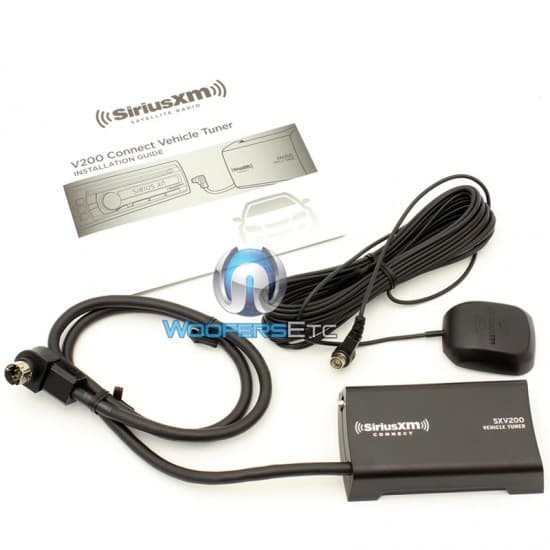
Estimated$80 – $130
SiriusXM NGVA1 Receive Module
The NGVA1 is an OEM-grade receive module engineered for factory vehicle digital radio tuners and is valued for its compact footprint and deep vehicle-bus integration rather than aftermarket flexibility. It stands apart from aftermarket units like the SXV300 and SXV200 by prioritizing automated integration, refined power management and engineering compatibility with manufacturer systems, and differs from the user-facing SXVCT1 and SXM17V1 by focusing on behind-the-dashboard reliability. For automakers and retrofitters seeking a production-ready module with predictable TCO and seamless vehicle integration, NGVA1 is the go-to choice.
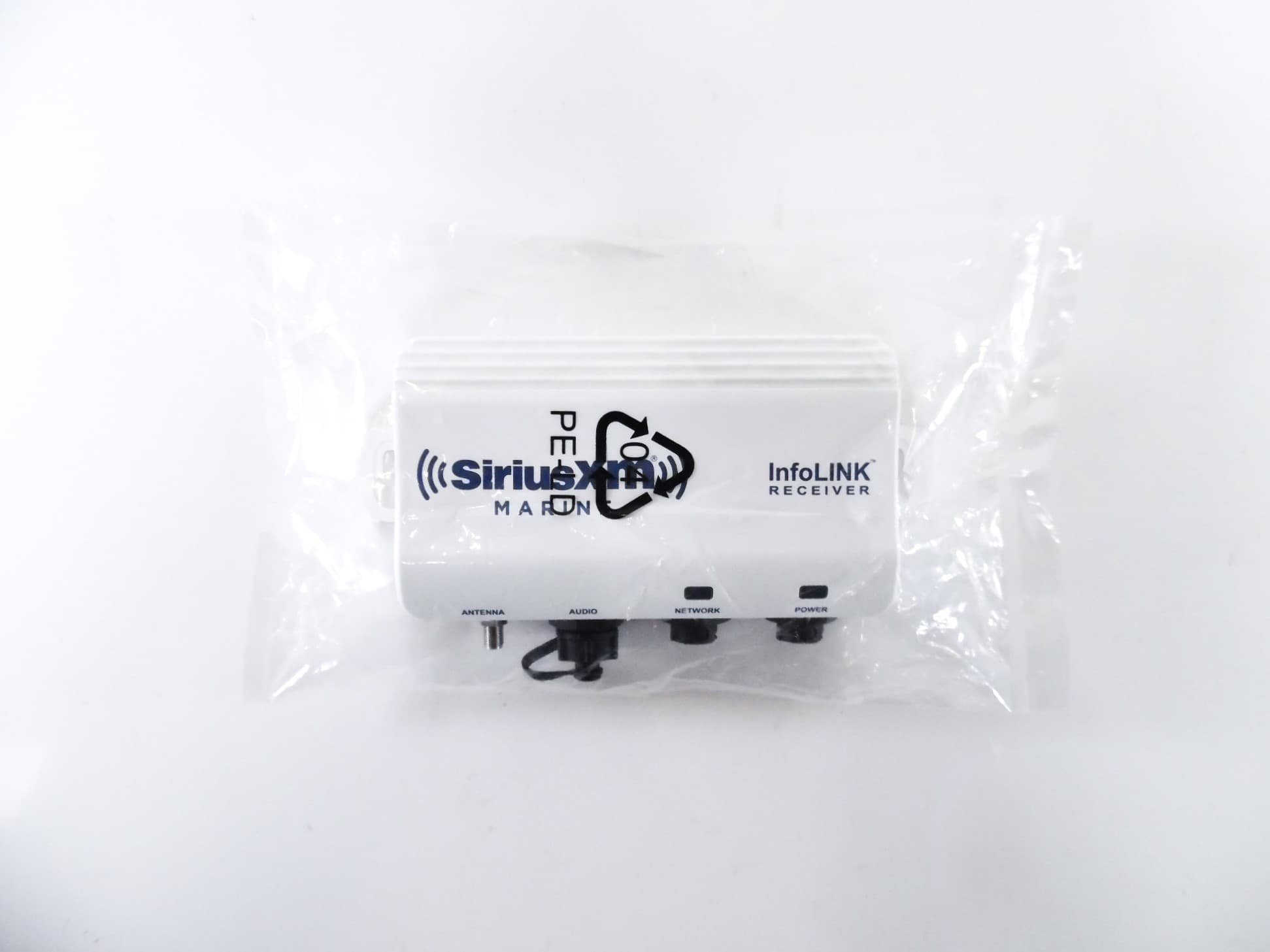
Estimated$150 – $300
SiriusXM SXM17V1 Onyx Plus Vehicle Tuner
The SXM17V1 Onyx Plus is a compact, modern vehicle tuner that targets customers wanting a smaller form factor and simplified installation while retaining up-to-date SiriusXM features. It competes with the SXV300 by offering a sleeker, potentially lower-cost package and improves on the SXV200 with newer onboard processing, yet it lacks the integrated control interface of the SXVCT1 and the OEM integration focus of the NGVA1. Positioned for convenience and contemporary vehicles, the Onyx Plus is ideal where space, simplicity and current feature support are higher priorities than full installer flexibility.

Estimated$160 – $240
What research and engineering say about satellite radio modules
Engineering research and industry technical reports explain why the key elements of satellite radio modules matter. Radio frequency front-end design, including optimized LNAs and proper antenna interfaces, directly improves weak-signal reception and reduces noise. Integrated decryption and access control follow digital content protection practices used across broadcast industries to preserve subscription models and prevent unauthorized access. From a user experience perspective, satellite broadcast provides steady audio delivery without the buffering and variable quality that can occur with cellular streaming in low-coverage areas. These findings are supported by telecommunications and automotive engineering literature and by field testing used by providers and OEMs.
Low-noise amplifiers and carefully tuned RF front ends increase sensitivity and extend reliable reception into fringe and rural areas.
Dedicated antenna interfaces and optimized antenna placement reduce signal blockage and multipath effects common in varied Canadian terrain.
Integrated decryption and access control protect content and simplify subscription management for consumers and fleet operators.
Satellite broadcast is less dependent on local cellular infrastructure, yielding more consistent playback on long cross-country drives and in remote regions.
Modular receiver designs make it easier for OEMs and aftermarket installers to meet provider specifications and deliver over-the-air firmware updates.
Frequently Asked Questions
Which tuner should I buy for my vehicle setup?
Choose the SiriusXM SXV300 Connect Vehicle Tuner if you want stronger connectivity and signal sensitivity than the SXV200, plus channel metadata and preset storage; it installs behind the dash using factory harnesses and needs an active SiriusXM subscription and external satellite antenna.
What does the SXV300 Connect tuner support exactly?
The SiriusXM SXV300 Connect Vehicle Tuner provides channel metadata and preset storage for seamless satellite radio use in many OEM head units, and it installs behind the dash using factory harnesses.
Is the SXV200 worth the same price as SXV300?
Both the SiriusXM SXV200 Connect Vehicle Tuner and the SiriusXM SXV300 Connect Vehicle Tuner list for $79.99, but the SXV200 is entry-level with basic metadata, while the SXV300 adds improved connectivity and signal sensitivity.
Does SXVCT1 Commander Touch work with other tuners?
The SiriusXM SXVCT1 Commander Touch is a touchscreen controller that communicates with compatible SiriusXM tuner modules for integrated control, so it’s designed to pair with SiriusXM vehicle tuner modules like the SXV300 or SXV200.
Conclusion
In the Canadian context, satellite radio modules remain a practical choice for drivers and fleets that need reliable, nationwide audio and data services. They combine strong reception performance, provider compliance, and security features that suit long trips, rural commutes, and commercial applications. We hope this overview helped you find what you were looking for; use the site search to refine by compatibility, provider, antenna type, or OEM versus aftermarket options to narrow or expand your results.