

Canada 2026: Top 5 Fire and Rescue Stations Navigation Layer Solutions
Mapping of fire and rescue station locations, apparatus availability, and coverage zones to improve response time and mutual aid coordination. This navigation layer category is optimized for routing, hydrant proximity, and multi-agency situational awareness during multi-hazard incidents across Canadian municipalities and regions. Buyers and emergency managers in Canada favor solutions that deliver accurate, real-time station and apparatus status, seamless integration with existing computer aided dispatch (CAD) systems, bilingual support for English and French, compliance with open geospatial standards, and flexible cloud or on-prem deployment to match municipal procurement rules. Ease of integration with provincial GIS, secure handling of sensitive operational data, and demonstrated reductions in response time and overlapping coverage are the features that make navigation layers appealing across fire services, regional dispatch centers, and emergency management agencies.
Inception's AI took the time to understand this market in Canada · · How we pickWe may earn a commission on purchases. It never affects our rankings.
Top Picks Summary
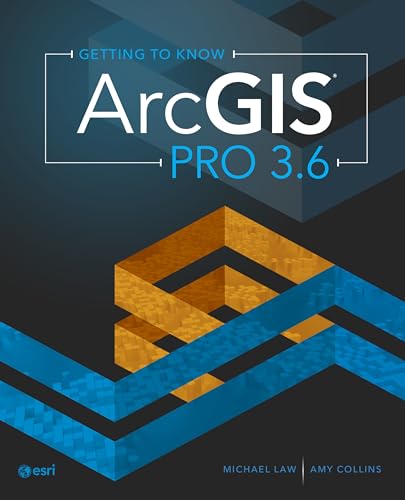
Esri ArcGIS Pro
ArcGIS Pro is best-in-class for creating an authoritative Fire and Rescue Stations Navigation Layer because of its advanced spatial analysis, high-quality cartography and native routing/network analyst capabilities that let agencies model travel-time polygons and optimized response routes. It holds its position by delivering deep GIS technical capabilities and seamless publishing to ArcGIS Online or ArcGIS Enterprise for distribution to dispatch and mobile apps; compared with the dispatch-centric products in this list, ArcGIS Pro offers far richer geospatial tools though it typically requires GIS expertise and enterprise licensing investment.
Estimated$900 – $2,500
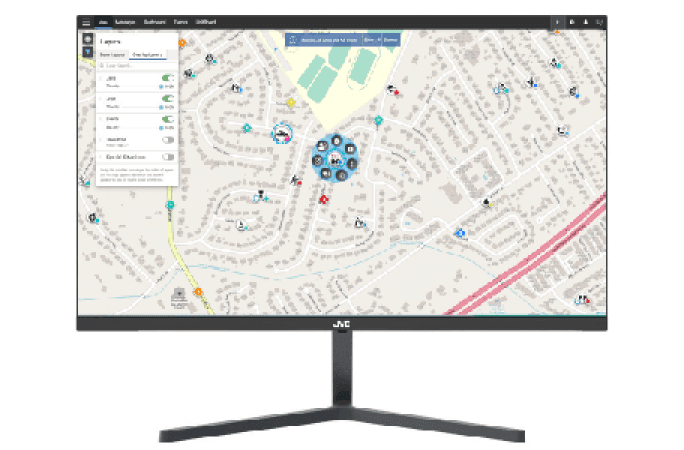
Hexagon HxGN OnCall Dispatch
HxGN OnCall Dispatch is a market-leading operational dispatch platform that natively integrates station location layers, AVL and vehicle routing to provide low-latency navigation guidance for fire and rescue response. It earns its place by being purpose-built for real‑time dispatch workflows—reducing integration work and time-to-value for agencies already using Hexagon/Intergraph systems—and compared with ArcGIS Pro it trades off some advanced spatial analytics for tighter, lower-friction operational connectivity and predictable implementation costs.
Estimated$25,000 – $150,000
Tyler Technologies New World CAD
New World CAD is widely adopted by municipal public safety agencies and stands out for tightly integrated records-to-dispatch workflows that simplify maintaining an accurate stations navigation layer across finance, RMS and field systems. Its strength for fire and rescue navigation is the strong turnkey fit into local government stacks and bundled procurement options that can lower total program cost for small‑to‑mid‑sized agencies; compared to enterprise Cad products it can be more budget‑friendly though it may offer fewer advanced spatial analysis features than ArcGIS Pro.

Estimated$30,000 – $200,000
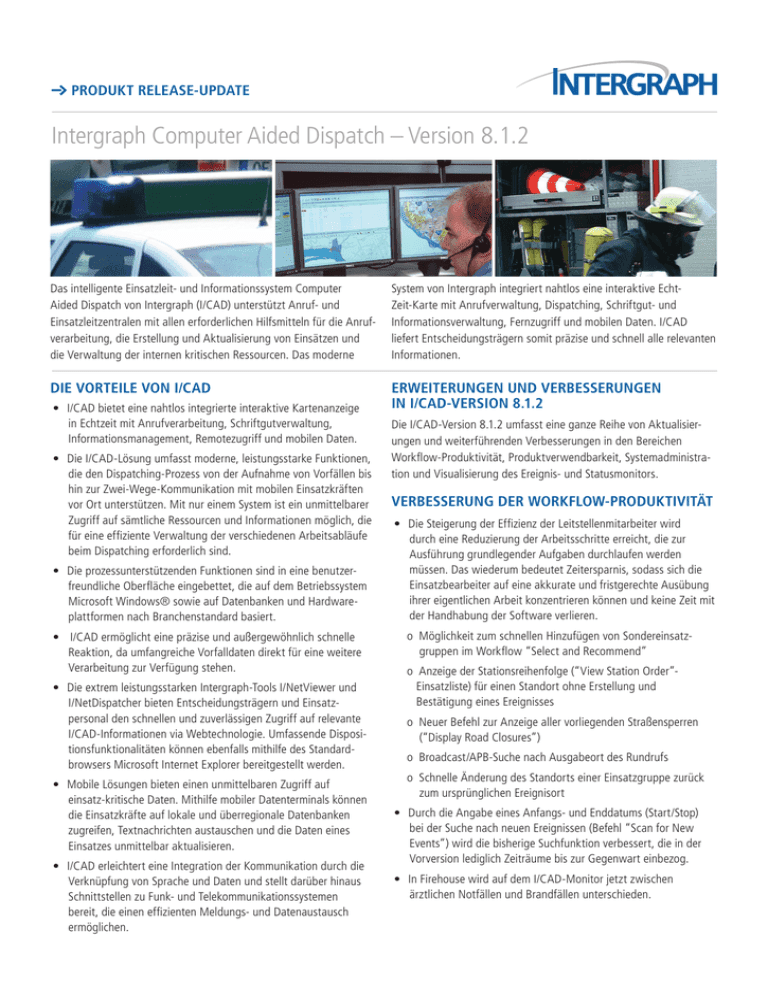
Intergraph Computer-Aided Dispatch
Intergraph Computer‑Aided Dispatch (i/CAD) is known for enterprise-grade reliability and scalability in large public safety networks, providing robust mapping, AVL integration and mission-critical performance for fire and rescue navigation layers. It holds a leadership position for large jurisdictions because its hardened architecture reduces operational risk and long‑term downtime costs; compared with municipal-focused systems like New World CAD it typically carries a higher upfront investment but delivers stronger scalability and resilience for complex multi-agency deployments, and it interoperates well within the Hexagon ecosystem.
Estimated$40,000 – $220,000
FirstWatch Real-Time Intelligence
FirstWatch delivers real‑time intelligence and analytics that enhance a Fire and Rescue Stations Navigation Layer by supplying live call‑volume, hospital and station status feeds that enable dynamic routing and resource-posting decisions. It is valuable as a complementary service because its streaming analytics model exposes operational patterns and short‑term demand shifts at a lower upfront cost than large GIS/CAD reconfigurations; compared with the CAD and GIS platforms here, FirstWatch focuses on rapid, subscription‑based situational awareness rather than being a primary mapping or dispatch engine.

Estimated$8,000 – $60,000
How navigation layers help response and coordination
Scientific and operational research shows that geospatial navigation layers that combine station locations, apparatus availability, coverage zones, hydrant proximity, and routing produce measurable improvements in situational awareness and decision making. For emergency services teams and dispatch centers new to the topic, the evidence supports using layered mapping and live status feeds to prioritize closest available resources, visualize coverage gaps, and plan mutual aid efficiently.
Reduced response times: GIS-informed routing and live apparatus status enable dispatchers to select closer, available units and avoid avoidable delays.
Improved resource allocation: Coverage zone analysis and heat mapping help identify coverage overlaps and gaps so agencies can rebalance resources proactively.
Hydrant and water supply planning: Integrating hydrant location and flow data supports faster incident planning and safer on-scene operations.
Better multi-agency coordination: Shared navigation layers create a common operating picture across fire, EMS, police, and provincial partners during multi-hazard events.
Evidence base: Peer-reviewed research, municipal after-action reports, and government evaluations consistently highlight benefits of GIS and CAD integration for emergency response in urban and rural settings.
Frequently Asked Questions
Which tool should fire agencies use for station routing?
Esri ArcGIS Pro is best for agencies building an authoritative Fire and Rescue Stations Navigation Layer, since its advanced cartography and network analysis support travel-time polygons and optimized response modelling, with a 4.7 rating and CAD-style station routing geocoding.
Does ArcGIS Pro include routing and network analysis?
Yes—Esri ArcGIS Pro includes native routing/network analyst capabilities for travel-time polygon modelling and optimized response routing, with advanced cartography for precise station routing and geocoding; it’s rated 4.7 and listed at $164.05 CAD.
How does ArcGIS Pro price compare to OnCall Dispatch?
Esri ArcGIS Pro costs $164.05 CAD, while Hexagon HxGN OnCall Dispatch has a 4.4 average rating but no listed price here; Pro’s data includes travel-time polygon routing and station layer integration.
Is CAD mapping integrated in Tyler Technologies New World CAD?
Tyler Technologies New World CAD tightly integrates CAD mapping and unit assignment, including automated station selection logic based on availability, apparatus type, and travel time; it has a 4.2 average rating and no warranty duration listed.
Conclusion
In the Canadian context, a well designed Fire and Rescue Stations Navigation Layer supports faster responses, smarter mutual aid, and clearer situational awareness for provincial, regional, and municipal teams. Top solutions for 2026 include Esri ArcGIS Pro, Hexagon HxGN OnCall Dispatch, Tyler Technologies New World CAD, Intergraph Computer-Aided Dispatch, and FirstWatch Real-Time Intelligence. For pure mapping power, interoperability, and specialist GIS tools, Esri ArcGIS Pro stands out as the best choice on this list, while Hexagon, Tyler, Intergraph, and FirstWatch each offer strong capabilities for integrated dispatch, CAD workflows, and real-time analytics. We hope you found what you were looking for. Use the search to refine by province, deployment type, or expand your comparison by features such as hydrant integration, bilingual support, or cloud hosting.