

Best Flex Fuel Vehicles in Canada 2026: Top 5 Picks
Published on Saturday, January 24, 2026
Flex fuel cars are vehicles engineered to run on regular gasoline or high-ethanol blends such as E85, giving drivers fuel-choice flexibility based on availability and price. In Canada, flex fuel technology appeals to a wide range of buyers — from rural drivers and fleet operators to environmentally minded consumers — because it can support the use of renewable biofuels, reduce dependence on petroleum, and provide operational flexibility where ethanol blends are available. Consumer preferences in Canada favor trucks and SUVs for towing and winter driving, so flex fuel variants of popular models are especially attractive. Availability and benefits vary by province because ethanol supply, retail E85 stations, and fuel policies differ across regions, so buyers weigh local fuel access, vehicle performance in cold climates, and total cost of ownership when choosing a flex fuel vehicle.
Top Picks Summary
Ford F-150 Flex Fuel
The Ford F-150 Flex Fuel is the market-leading pickup thanks to its proven EcoBoost flex-fuel calibrations, class-leading towing capacity, and an extensive dealer and service network that help keep ownership costs competitive. Compared with the Silverado and Sierra it offers the broadest availability of E85-capable powertrains and fleet-friendly maintenance options, making it the top choice for buyers prioritizing fuel flexibility, resale value, and lower lifecycle operating costs.

Chevrolet Silverado 1500 Flex Fuel
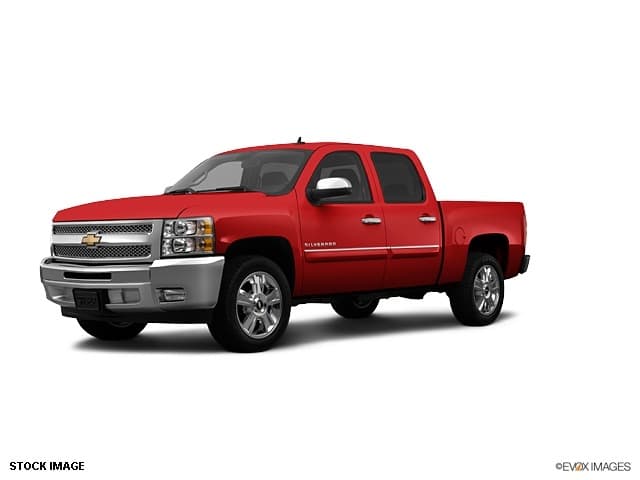
The Chevrolet Silverado 1500 Flex Fuel balances rugged capability with a value-oriented price point, providing durable flex-fuel V8 options and competitive payload figures that deliver strong total cost of ownership. Against the F-150 and Sierra it typically undercuts on upfront MSRP while maintaining reliable ethanol performance, appealing to buyers who want robust towing and flex-fuel capability without paying a premium badge price.
GMC Sierra 1500 Flex Fuel
The GMC Sierra 1500 Flex Fuel presents a more premium alternative in the half-ton segment, coupling flex-fuel engine compatibility with upscale trim packages, advanced suspension choices, and dealer-backed service programs. Compared to the Silverado and F-150 it often commands higher resale and offers added comfort and tech features, making it attractive to purchasers willing to pay extra for refinement while keeping the fuel-flexibility benefits.

Ford Explorer Flex Fuel
The Ford Explorer Flex Fuel brings ethanol-capable powertrains to a family-friendly SUV platform, offering efficient engine calibration, roomy seating, and lower running costs for everyday use. Versus the larger Tahoe and truck-based models, the Explorer provides better urban fuel economy and lower ownership expenses for families or fleets that want flex-fuel capability without the bulk and higher operating costs of full-size SUVs or pickups.

Chevrolet Tahoe Flex Fuel
The Chevrolet Tahoe Flex Fuel is the go-to full-size SUV for buyers needing maximum passenger and cargo capacity with ethanol compatibility, delivering robust V8 flex-fuel engines and proven towing ratings. Relative to the Explorer it supplies far greater towing and space, and compared with the pickup options it offers truck-like capability in a conventional SUV package—ideal for large families or fleet operators who require both flex-fuel economy and heavy-duty performance.

What the Research Says About Flex Fuel Benefits
Research and lifecycle analyses show that using ethanol blends can lower lifecycle greenhouse gas emissions compared with fossil gasoline in many scenarios, though outcomes depend strongly on feedstock, production processes, and regional energy inputs. Studies also note tradeoffs: ethanol has lower energy density than gasoline, which can reduce fuel economy per litre, and cold-weather performance requires engine calibration and winter fuel strategies. Economic benefits for drivers depend on retail price differences between E85 and gasoline and on the local network of ethanol pumps. For fleet managers and policymakers, flex fuel vehicles can be a practical bridge to increased renewable fuel use while infrastructure and other low-carbon options expand.
Lifecycle emissions: Models such as GREET and national assessments indicate that ethanol can lower lifecycle greenhouse gas intensity versus gasoline, with the magnitude depending on feedstock and production method.
Energy and fuel economy: Ethanol contains less energy per litre than gasoline, so fuel consumption typically increases when using high-ethanol blends; real-world fuel economy varies by vehicle and driving conditions.
Cold-weather considerations: Modern flex fuel engines and fuel system designs mitigate many cold-start issues, but regional winter fuels and blends may influence performance in Canada.
Economic tradeoffs: Savings depend on E85 retail prices relative to gasoline and on local station availability; fleets often evaluate total cost of ownership and fuel logistics when adopting flex fuel vehicles.
Policy and infrastructure: Provincial and federal renewable fuel regulations, plus investment in retail E85 infrastructure, are key determinants of ethanol availability and the practical benefits of flex fuel adoption in Canada.
Frequently Asked Questions
Should I buy the Ford F-150 Flex Fuel for E85?
Buy the Ford F-150 Flex Fuel if you want an E85-capable pickup with “EcoBoost flex-fuel calibrations” and an average rating of 4.6, plus options like available Pro Power Onboard for mobile power.
What flex-fuel capability does the Chevrolet Silverado 1500 offer?
The Chevrolet Silverado 1500 Flex Fuel includes E85-capable engine options suitable for flex-fuel operation, and it has an average rating of 4.4.
How does the Silverado 1500 Flex Fuel price compare?
The provided info doesn’t include an exact price for the Chevrolet Silverado 1500 Flex Fuel, so I can’t state a price comparison; it does list E85-capable engine options and an average rating of 4.4.
Does the GMC Sierra 1500 Flex Fuel come with warranty?
The provided info doesn’t list any warranty duration for the GMC Sierra 1500 Flex Fuel; it does confirm flex-fuel compatible V6/V8 powertrains that accept ethanol blends and an average rating of 4.5.
Conclusion
Flex fuel vehicles give Canadian drivers the option to use gasoline or high-ethanol blends like E85, supporting renewable fuel use where infrastructure and policy make it practical. The five models featured here — Ford F-150 Flex Fuel, Chevrolet Silverado 1500 Flex Fuel, GMC Sierra 1500 Flex Fuel, Ford Explorer Flex Fuel, and Chevrolet Tahoe Flex Fuel — cover popular truck and SUV segments that matter to Canadian buyers. For many drivers who value capability, availability, and overall utility, the Ford F-150 Flex Fuel stands out as the best all-around choice on this list. We hope you found the information you were looking for; use the search to refine or expand your results if you want to compare trims, check local E85 availability, or explore incentives and fuel policies.