Top 6 Hybrid SUVs in Canada for 2026: Efficient, Spacious and Tow Ready
Published on Saturday, January 24, 2026
Six hybrid SUVs are ranked here for Canadian buyers. The Toyota RAV4 Hybrid is the efficiency pick, rated by Natural Resources Canada at 5.4 L/100 km combined on the 2026 LE; the Hyundai Santa Fe Hybrid is the three-row family choice at 6.9 L/100 km with seating for up to seven; and Toyota's plug-in RAV4 leads on electric-only range. Hybrid SUVs pair a gasoline engine with electric assist to cut fuel use while keeping the cabin space and towing capacity Canadians buy SUVs for. Full hybrids and mild hybrids never need a plug; plug-in hybrids deliver their biggest savings only if you charge them regularly and your daily trips are short. Cold weather matters here — winter temperatures shrink battery efficiency and electric range, though full hybrids hold their real-world economy better than battery-only vehicles. On incentives, be careful with older advice: the federal iZEV rebate closed on 31 March 2025 and was replaced in February 2026 by the Electric Vehicle Affordability Program, which pays nothing on a conventional hybrid. This page explains what separates the six models below for Canadian roads, budgets and winters.
Top Picks Summary
The Highlander Hybrid remains a balanced, reliable choice for midsize hybrid electric SUV buyers, combining Toyota’s established hybrid system with three-row practicality and excellent resale value. It provides a middle ground between the Grand Highlander’s added space and the Sorento/Santa Fe’s value-focused packages, delivering consistently strong fuel economy and long-term ownership economics compared with performance-first alternatives like the Explorer Hybrid.
Show More Compact Hybrid Electric SUV
The Lincoln Aviator Grand Touring leads the pack on luxury and refinement, marrying a spirited PHEV powertrain with a sumptuous cabin and advanced suspension tuning for a serene, high-end driving experience. Financially it carries a higher MSRP than mainstream Toyota and Jeep models but offers premium materials, technology and ownership appeal that justify the premium for buyers prioritizing comfort and brand prestige over maximal towing.
Show More Midsize Hybrid Electric SUV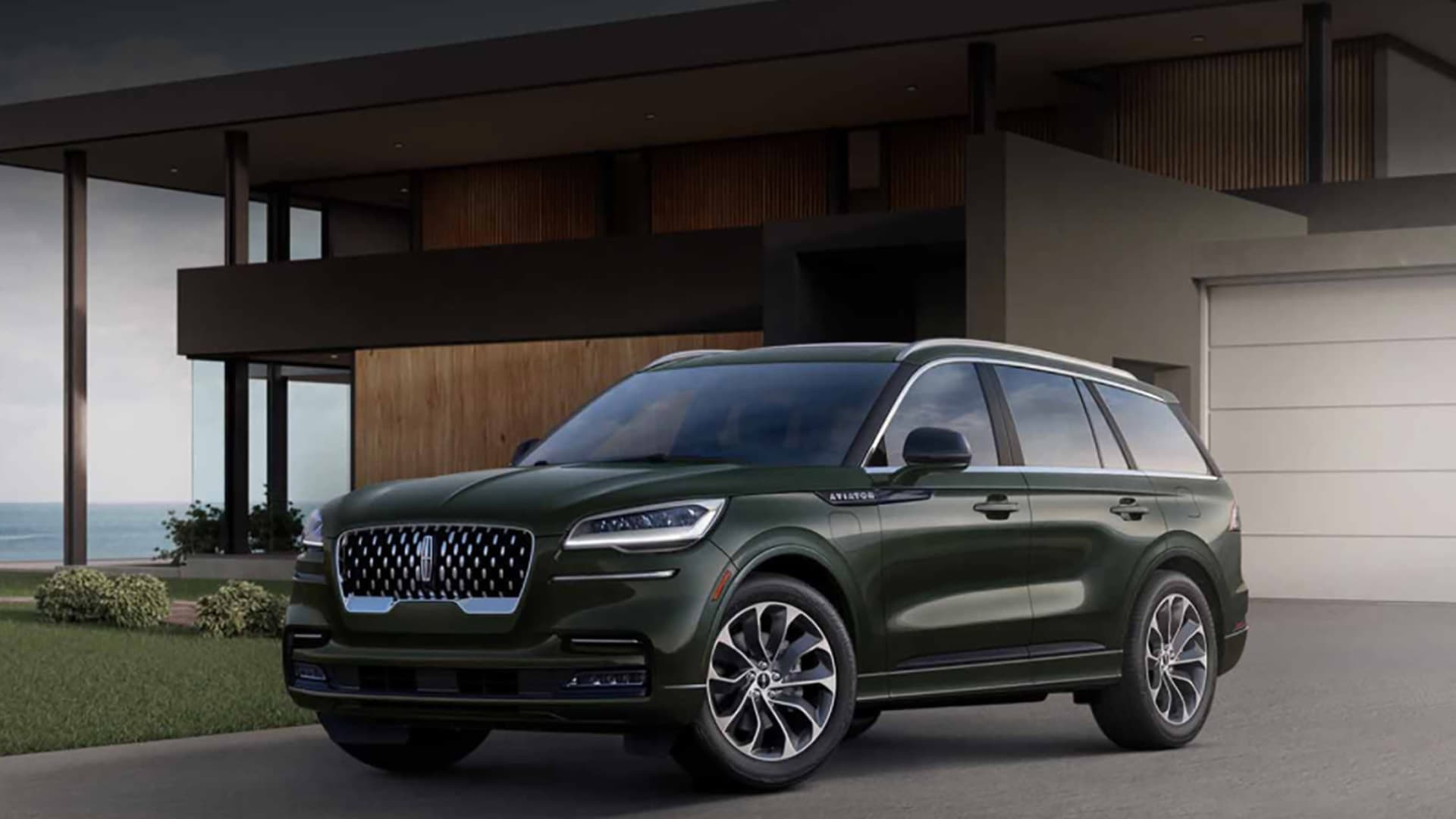
$95,000 – $120,000
The Hyundai Santa Fe Hybrid offers a compelling mix of affordability, modern safety tech, and one of the industry's most attractive warranty packages, which lowers long-term ownership risk compared with many competitors. Compared with the larger Toyotas and the Ford it generally has a lower upfront cost and better standard equipment, though buyers should expect less third-row space and towing capability in exchange for that stronger value proposition.
Show More Large Hybrid Electric SUV
$36,000 – $48,000
The Hyundai Tucson Plug-in Hybrid offers a strong balance of competitive EV-only range, modern tech and one of the industry's most generous warranties, making it a compelling value alternative to the pricier RAV4 Prime. It typically undercuts the Ford and Mitsubishi on price while delivering similar or better electric range and more contemporary infotainment and safety features than older PHEV designs.
Show More Three Row Hybrid Electric SUV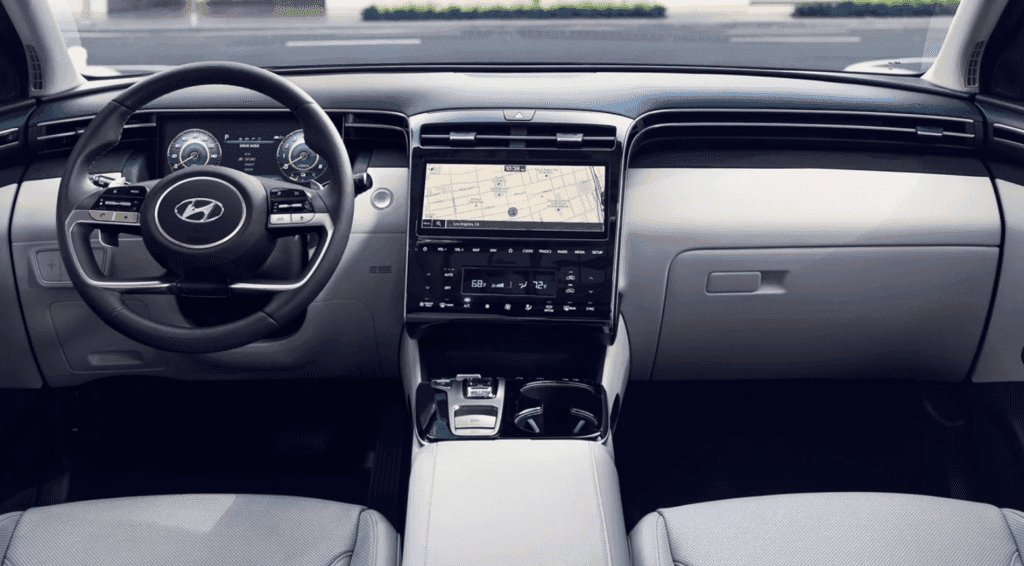
$47,000 – $59,000
The Toyota RAV4 Hybrid earns its place as a market staple by combining class-leading fuel efficiency, Toyota’s proven hybrid reliability, and broad dealer availability—making it a low-cost ownership option compared with luxury rivals. Compared with the larger Highlander Hybrid it’s more affordable and easier to maneuver in urban settings, and it undercuts the Lexus NX 350h and some Sportage Hybrid trims on long-term running costs while offering similar everyday practicality to the CR-V Hybrid.
Show More Plug In Hybrid Electric SUV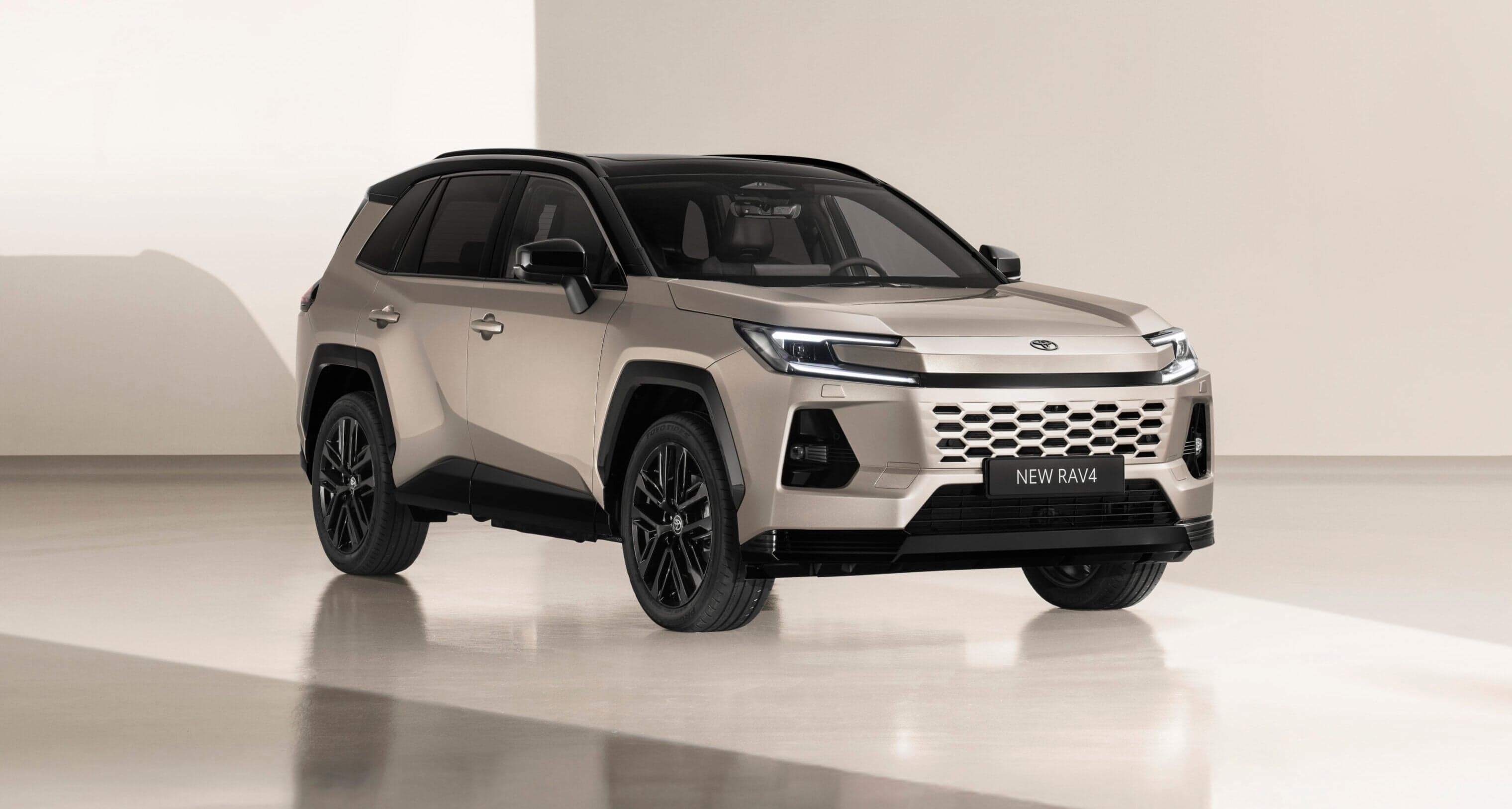
The RAV4 Prime stands out for delivering the longest electric‑only range and top energy efficiency among these models, making it ideal for buyers who want most daily miles on battery power while retaining light off‑road chops. Financially and practically it undercuts the premium PHEV options like the Defender and Grand Cherokee by offering strong reliability, lower cost of ownership and competitive incentives, though it sacrifices the hardcore trail capability of the Wrangler 4xe.
Show More Full Hybrid Electric SUV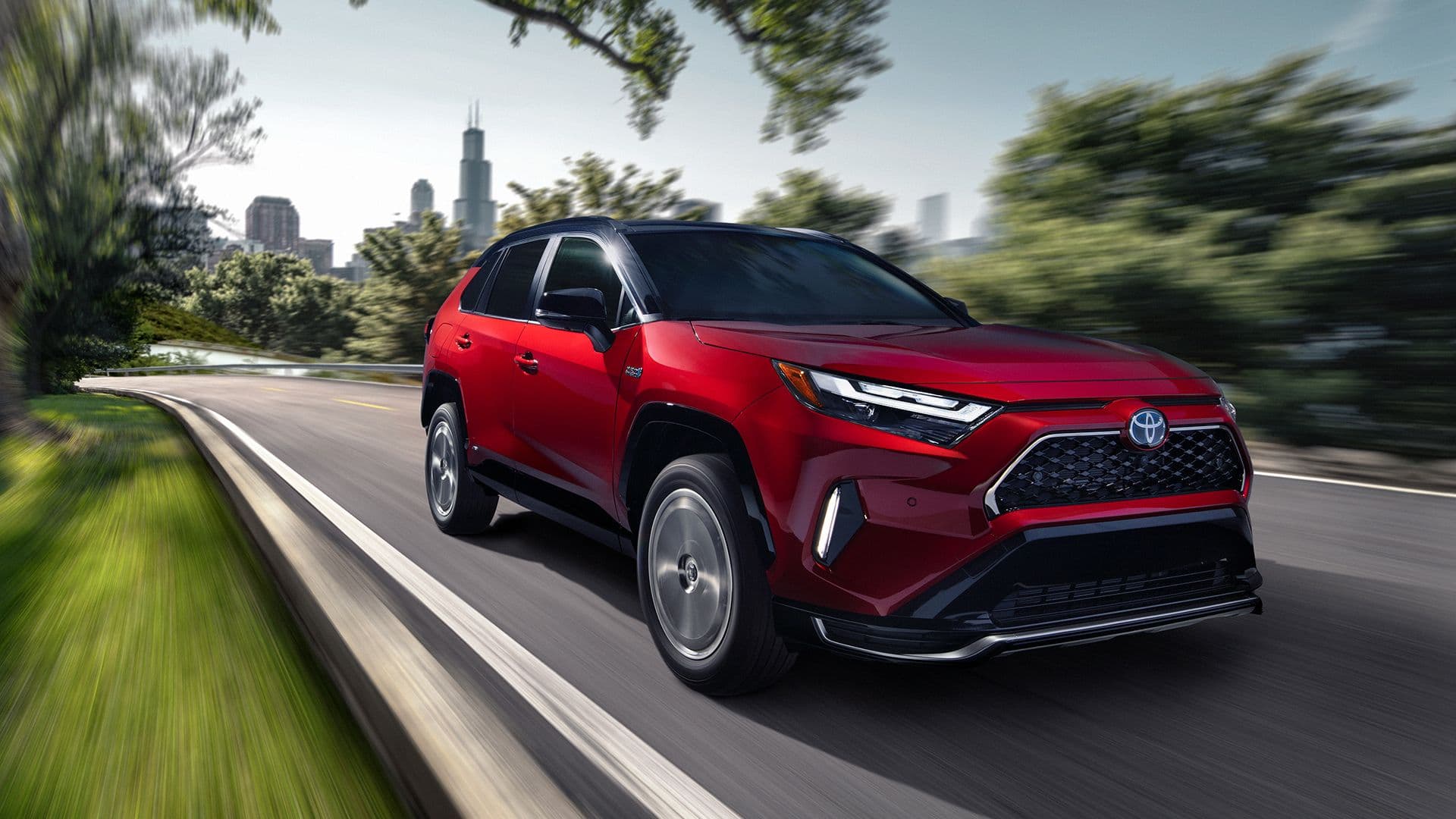
$55,000 – $68,000
Research and evidence behind hybrid SUV benefits
Multiple independent studies and government analyses show that hybrid drivetrains can cut fuel use and tailpipe emissions compared with conventional gasoline SUVs, especially in city and mixed driving. Research also clarifies trade-offs: plug-in hybrids give the biggest cuts when they are charged frequently and used for short daily trips, while full hybrids and mild hybrids deliver consistent efficiency gains without relying on external charging. Studies by sources such as Natural Resources Canada, the International Energy Agency, the International Council on Clean Transportation, and Transport Canada provide accessible findings on energy use, lifecycle emissions, and the influence of cold climates on battery performance. For a beginner, the main takeaway is that hybrid SUVs offer measurable fuel and emissions benefits in most real-world uses, but the size of the benefit depends on driving patterns, climate, and whether you charge a plug-in model regularly.
Fuel economy: Many hybrid SUVs achieve meaningful fuel savings versus comparable gasoline models, commonly in the range of 15 to 35 percent depending on driving conditions and hybrid type.
Tailpipe and lifecycle emissions: Tailpipe CO2 falls with hybridization; total lifecycle emissions depend on vehicle manufacturing and the carbon intensity of electricity where plug-ins are frequently charged.
Plug-in hybrids: PHEVs can deliver the largest reductions in gasoline consumption when drivers charge regularly and use electric mode for daily trips, according to multiple comparative analyses.
Regenerative braking and power management: Regenerative braking and smart energy management improve efficiency in stop-and-go traffic and urban driving, where hybrids often outperform pure gasoline SUVs.
Cold climate effects: Cold temperatures reduce battery efficiency and electric range, but hybrid systems rely less on battery-only range and therefore maintain more consistent real-world performance in Canadian winters.
Towing and load: Towing increases fuel use for all vehicles; hybrid SUVs can still offer better efficiency than conventional counterparts, but towing reduces the relative benefit and should be considered when estimating real-world savings.
Frequently Asked Questions
Do hybrid SUVs qualify for a government rebate in Canada in 2026?
Conventional hybrids do not. The federal iZEV program paused on 12 January 2025 and closed on 31 March 2025. Ottawa replaced it in February 2026 with the Electric Vehicle Affordability Program, which pays $5,000 on eligible battery-electric and fuel-cell vehicles and $2,500 on eligible plug-in hybrids — but nothing on a full hybrid such as the RAV4 Hybrid, Highlander Hybrid or Santa Fe Hybrid. EVAP also applies price and country-of-manufacture conditions, so confirm a specific trim before you sign. Some provinces run separate programs on their own rules.
Which hybrid SUV here uses the least fuel?
The Toyota RAV4 Hybrid. Natural Resources Canada rates the 2026 LE at 5.4 L/100 km combined, and the XLE, XSE and Limited at 5.6 L/100 km. Among the other non-plug-in models the Hyundai Santa Fe Hybrid is next at 6.9 L/100 km combined, and it is the larger, three-row vehicle.
How far can the plug-in RAV4 go on electricity alone?
Natural Resources Canada rates the 2026 Toyota RAV4 Plug-in Hybrid at 79 to 89 km of electric-only range depending on trim, and Toyota Canada advertises up to 80 km. Note the naming change: Toyota has retired the RAV4 Prime badge, so the current car is sold simply as the RAV4 Plug-in Hybrid. Expect meaningfully less than the rated range in a Canadian winter, when cabin heating and cold cells both draw on the battery.
Can you still buy a Lincoln Aviator Grand Touring plug-in hybrid?
No. Lincoln dropped the Grand Touring plug-in hybrid powertrain after the 2024 model year and the current Aviator lineup is gasoline-only. It appears on this page as a used-market reference for the most luxurious three-row PHEV of this group, not as something you can order new.
Conclusion
Hybrid SUVs in Canada offer a practical way to combine space, towing capability and lower fuel use while adapting to diverse regional needs and winter conditions. We hope this six-model guide helped you find something that matches your priorities. If you want to narrow results by budget, towing capacity, electric range or province, use the site search to refine or expand your search.