Canada's Top 5 Hydrogen Fuel Cell Vehicles for 2026
Published on Saturday, January 24, 2026
Hydrogen fuel cell cars are zero-emission vehicles that generate electricity onboard by combining hydrogen and oxygen in a fuel cell, emitting only water vapour while offering fast refuelling and long range. In Canada the limiting factor is not the cars but the fuel. As of August 2026, HTEC's British Columbia network — the country's main public hydrogen network for passenger cars — lists six open stations: two in Vancouver (SE Marine Drive and Thunderbird Boulevard at UBC), plus Burnaby, North Vancouver, Victoria and Kelowna. Its Granville Street station in Vancouver closed permanently on 31 July 2026. Outside B.C. and a small number of Quebec sites there is no public hydrogen fuelling for consumer vehicles, so Ontario, Alberta and the Prairies have no realistic path to owning one today. For drivers who do live within range of an open station, the appeal is concrete: fills of about five minutes, 500-800 km of range depending on model, water vapour as the only tailpipe emission, and cold-weather performance suited to Canadian winters.
Top Picks Summary
Toyota Mirai
The Toyota Mirai remains the market leader for hydrogen fuel cell cars thanks to Toyota's long-term investment, broad dealer and fueling partnerships, and a focus on reliability that improves real-world cost of ownership for early adopters. Compared with the Hyundai Nexo and Honda CR-V e:FCEV it sacrifices some cargo flexibility for a refined sedan layout but offers competitive range, proven durability and stronger resale value, which can be a financial advantage versus premium, low-volume models like the BMW iX5 Hydrogen.

Hyundai Nexo
The Hyundai Nexo is best-in-class for efficiency and real-world range among mass-market fuel cell vehicles, combining a purpose-built FCEV architecture with a long warranty that reduces lifecycle cost. Against the Mirai and BMW iX5 Hydrogen it typically delivers superior fuel economy and a lower entry price, while offering more cargo versatility than sedan-focused rivals and a more affordable alternative to premium hydrogen offerings.
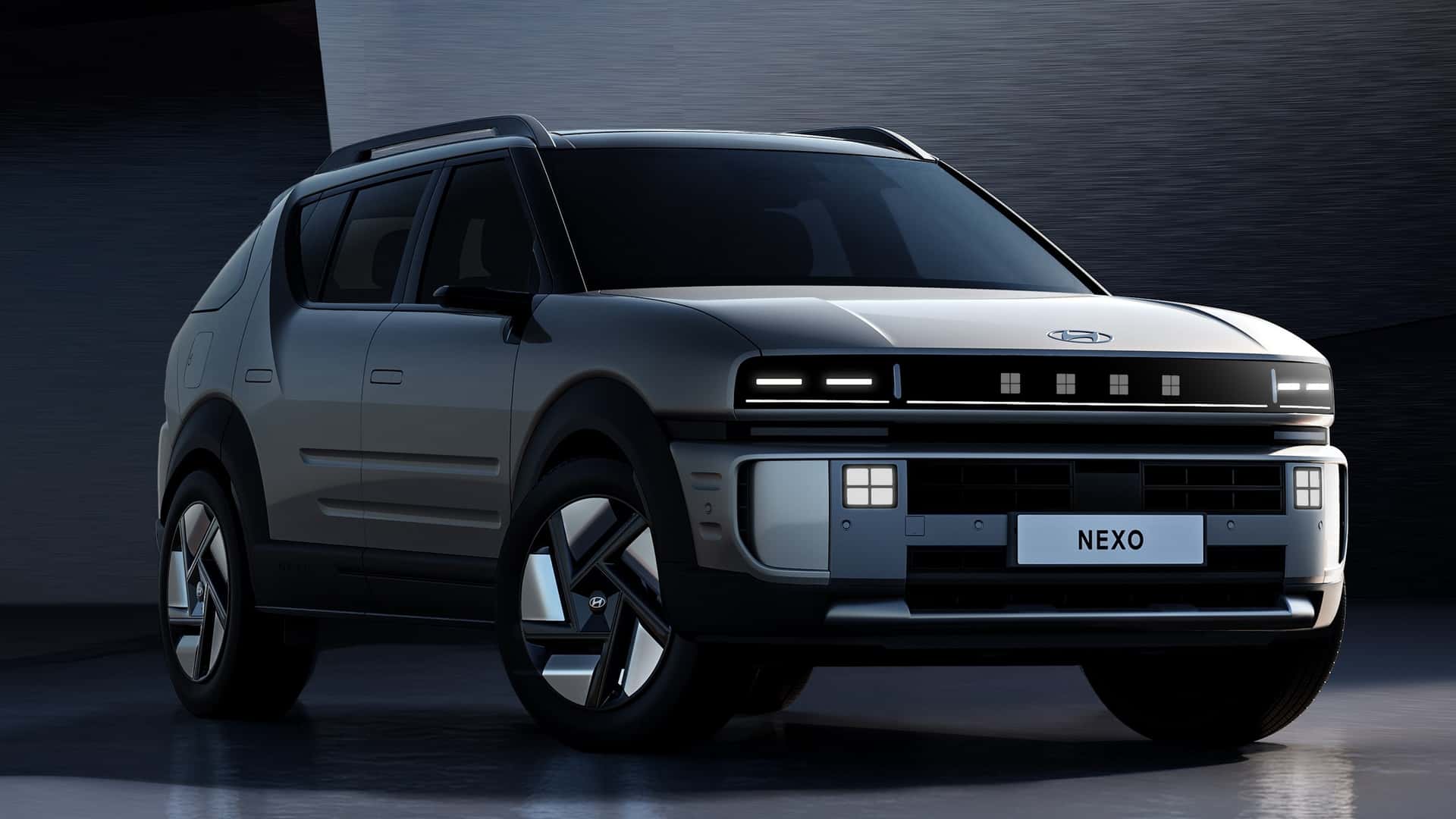
$65,000 – $85,000
Honda CR-V e:FCEV
The Honda CR-V e:FCEV leverages the CR-V's proven utility platform to deliver a family-oriented hydrogen SUV that balances practicality with competitive purchase pricing, making it attractive for buyers needing cargo space and everyday usability. Compared with the Mirai and Nexo it trades a bit of peak efficiency for better packaging and lower development cost, and it undercuts luxury options like the BMW iX5 Hydrogen on upfront price while simplifying fleet or household integration.
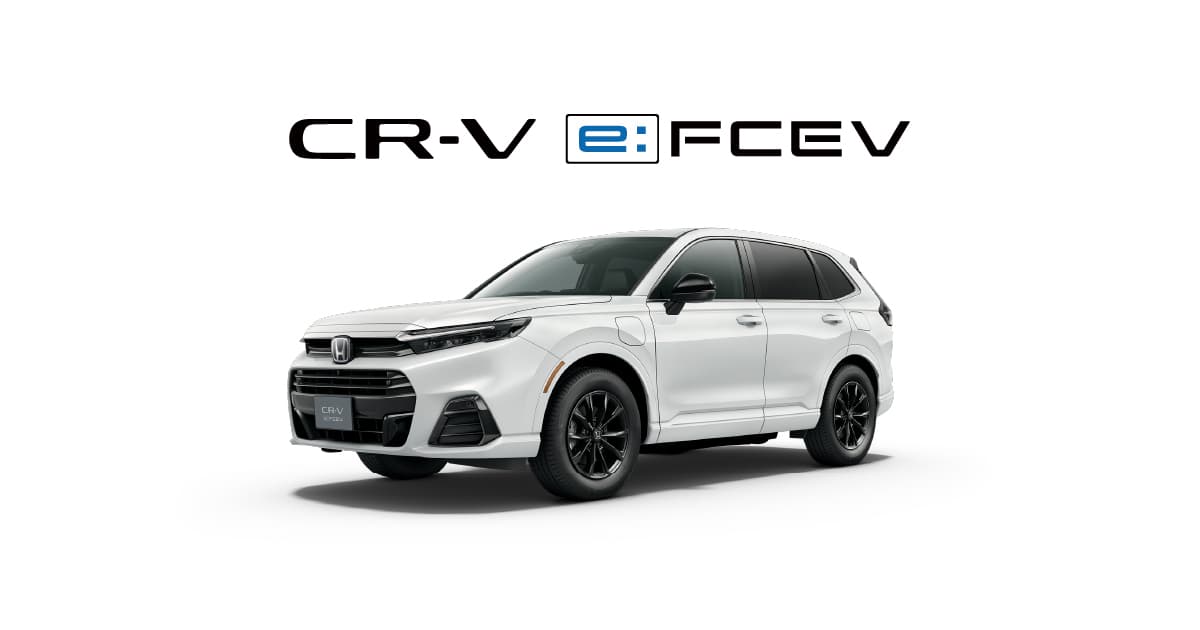
$55,000 – $75,000
BMW iX5 Hydrogen
The BMW iX5 Hydrogen occupies the premium, low-volume end of the hydrogen market, offering higher power output, advanced integration of fuel cell systems, and a luxury experience that justifies a higher upfront cost. Unlike mass-market models from Toyota and Hyundai, the iX5 targets buyers prioritizing performance and refinement over pure lifecycle cost savings, providing clear technical differentiation albeit with limited availability and higher purchase price.
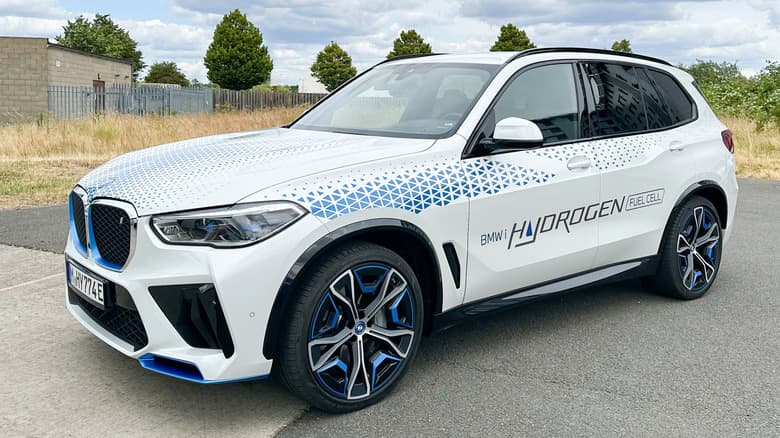
$170,000 – $250,000
Hyundai Elec City Fuel Cell Bus
The Hyundai Elec City Fuel Cell Bus demonstrates hydrogen's commercial advantages in heavy-duty transit, delivering lower total cost of ownership on high-mileage routes, large onboard hydrogen capacity, and eligibility for fleet subsidies that improve financial returns compared with passenger cars. While not a consumer car, it reinforces Hyundai's production scale and durability expertise—lowering supply-chain and maintenance risk for its Nexo and other hydrogen products relative to smaller-volume manufacturers such as BMW.

$800,000 – $1,500,000
Research and Evidence Backing Hydrogen Fuel Cell Benefits
A growing body of technical and policy research supports the environmental and operational benefits of hydrogen fuel cell vehicles, while also outlining the conditions required to realize those benefits at scale. Key findings emphasize that the climate advantage depends on how hydrogen is produced, that fuel cell technology has matured substantially over the last decade, and that hydrogen is particularly useful for heavy duty and fleet applications where fast refueling and high energy density matter.
Lifecycle emissions depend on hydrogen source: studies show large GHG reductions when hydrogen is produced by electrolysis using low-carbon electricity or by reforming with carbon capture; Natural Resources Canada and the International Council on Clean Transportation publish lifecycle analyses supporting this point.
Refueling time and usability: technical reports and manufacturer data indicate refueling times for passenger fuel cell vehicles are similar to gasoline refueling, typically under 10 minutes for a full tank, improving convenience for everyday drivers.
Range and efficiency: modern fuel cell vehicles commonly achieve ranges comparable to conventional gasoline models, with real-world driving ranges often between 400 and 700 kilometers depending on model and conditions.
Durability advances: peer reviewed and industry research documents improvements in fuel cell durability, stack lifetime, and cold start performance, making newer models more reliable for Canadian climates.
Infrastructure and deployment studies: policy analyses from federal and provincial agencies show that targeted investment in hydrogen stations and hubs, plus fleet-focused deployments like buses and trucks, accelerate broader consumer adoption.
Heavy duty and transit advantage: academic and industry studies demonstrate that buses and commercial vehicles benefit strongly from hydrogen for operational flexibility, fast refueling, and high daily mileage requirements.
Frequently Asked Questions
Which hydrogen car should I buy in Canada 2026?
For most early adopters in Canada, the Toyota Mirai is a strong pick because it refuels in roughly three to five minutes at a hydrogen station, offers up to about 647 km of range, and has an average rating of 4.4. Note that the practical limit on all hydrogen cars in Canada is refuelling infrastructure: public H2 stations are scarce and concentrated in British Columbia and Quebec.
What fuel-cell spec does the Toyota Mirai provide?
The Toyota Mirai refuels in about three to five minutes at a hydrogen station and offers up to roughly 647 km of driving range on a full tank, with an average rating of 4.4 on our list.
How does the Toyota Mirai price compare to Hyundai Nexo?
The Toyota Mirai is the more established retail option in Canada, with a price band around $49.20 CAD-80,000, and it carries an average rating of 4.4. The latest Hyundai Nexo (rated 4.3) had not had Canadian retail pricing confirmed at the time of writing and is positioned mainly for fleet sales, so compare current dealer quotes before deciding.
Is the Honda CR-V e:FCEV available nationwide in Canada?
No. The Honda CR-V e:FCEV is not sold across Canada; it is offered only in limited markets with hydrogen infrastructure (primarily California in North America) and through pilot or lease programs. It has an average rating of 4.1 in our data, but Canadian buyers should confirm local availability before counting on it.
Conclusion
In Canada hydrogen fuel cell cars remain a niche choice rather than a mainstream one, and fuel access — not the vehicles themselves — decides whether one works for you. The models covered here are the Toyota Mirai, Hyundai Nexo, Honda CR-V e:FCEV, BMW iX5 Hydrogen and the Hyundai Elec City Fuel Cell Bus. For an individual Canadian driver in 2026 the Toyota Mirai is the most realistic pick: Toyota Canada lists the 2026 model, it is rated at up to 647 km per fill, and dealer support exists. Before committing to any of these, confirm that a hydrogen station near you is actually open — the network is small enough that a single closure changes the answer. Federal and provincial purchase incentives for zero-emission vehicles have changed repeatedly in recent years, so check what is in effect on the day you buy rather than relying on older published figures.