

Canada's Top 5 Full-Size Plug-In Hybrid SUVs for 2026
Full-size plug-in hybrid SUVs combine spacious three-row or large two-row cabins, serious towing capability, and the convenience of all-wheel drive with a significant electric driving mode. In Canada for 2026, buyers are drawn to these models for their ability to cover daily commutes on electric power, reduce fuel use on long trips, and deliver premium comfort and towing for family and work needs. Current trends emphasize longer electric ranges, richer luxury and safety technology, and improved efficiency for heavy-duty use, while Canadian buyers also weigh cold-weather performance, charging options, provincial incentives, and total cost of ownership when choosing a vehicle.
Inception's AI took the time to understand this market in Canada · · How we pickWe may earn a commission on purchases. It never affects our rankings.
Top Picks Summary
Jeep Grand Cherokee 4xe
The Jeep Grand Cherokee 4xe earns its place in this full-size plug-in hybrid SUV list by combining authentic off-road capability with an efficient electrified powertrain, giving buyers a lower-cost entry into large PHEV ownership without sacrificing trail competence. It stands out financially for offering strong value and towing flexibility compared with more luxurious rivals, and technically for retaining Jeep's terrain hardware while adding useful EV-only driving for daily commutes. Against the other entries it is the pragmatic choice for buyers who need true off-road performance and utility at a more accessible price point.

Lincoln Aviator Grand Touring
The Lincoln Aviator Grand Touring is positioned as the luxury-oriented choice in the full-size plug-in hybrid SUV segment, delivering a plush cabin, three-row comfort, and a refined PHEV drivetrain that prioritizes quiet, electrified city driving. It competes with European rivals by packaging high-end features and comfort-focused tuning that can reduce ownership friction and lease appeal, offering strong perceived value through standard equipment and upscale appointments. Compared with more performance-focused or efficiency-forward models here, the Aviator emphasizes passenger comfort and premium finishes while still providing useful electric range for everyday use.

Estimated$95,000 – $115,000
Volvo XC90 Recharge
The Volvo XC90 Recharge holds its spot as the safety-first, efficiency-minded full-size plug-in hybrid SUV, marrying strong emissions reductions and advanced driver aids with a minimalist, durable interior suited to family and fleet buyers. Its technical strengths—efficient hybrid calibration and a reputation for longevity—can translate into favorable total-cost-of-ownership and potential tax or incentive advantages in many markets, making it an economically sensible luxury PHEV. Versus the sportier BMW and more opulent Range Rover, the XC90 prioritizes sensible efficiency, third-row practicality, and Scandinavian restraint.

We may earn a commission on purchases. It never affects our rankings.
$99,100.00CAD
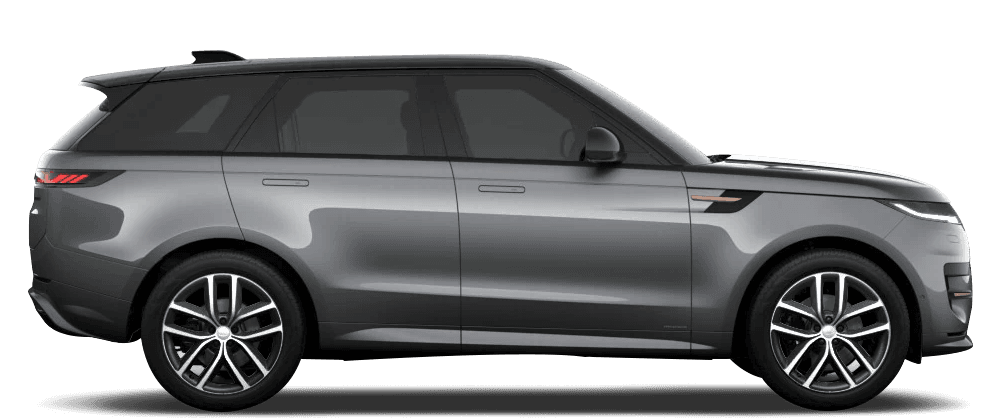
Range Rover Sport P440e
The Range Rover Sport P440e is the market leader for buyers seeking a flagship blend of on-road performance, off-road capability, and top-tier luxury in a full-size plug-in hybrid SUV, offering potent hybrid propulsion and advanced terrain systems. Its technical advantages include sophisticated chassis tuning and premium construction that support strong resale values, though those benefits come with a higher purchase price and ownership costs compared with mainstream alternatives. In comparison to the other PHEVs on this list it is the aspirational choice, prioritizing exclusivity, refinement, and capability over outright economy.
Estimated$115,000 – $140,000
BMW X5 xDrive50e
The BMW X5 xDrive50e is the performance-focused leader among full-size plug-in hybrid SUVs, delivering the most driver-centric dynamics and a powerful electrified powertrain that emphasizes strong acceleration and integrated electric driving modes. Technically it offers advanced e-powertrain calibration and chassis engineering that appeal to buyers wanting sport-sedan handling in an SUV package, and that positioning can command higher pricing but also attract buyers seeking driving engagement. Compared with the more comfort- or efficiency-oriented models here, the X5 blends athleticism with PHEV practicality for those who prioritize performance without fully compromising efficiency.

We may earn a commission on purchases. It never affects our rankings.
$97,276.00CAD
What Research Says About Plug-In Hybrid SUVs
Scientific analyses and government data show that plug-in hybrid vehicles can reduce tailpipe emissions and fuel consumption when they are regularly charged and used for short trips on electric power. Lifecycle benefits depend on how often the vehicle runs in electric mode and on the carbon intensity of the local electricity grid. For Canadian buyers, provinces with low-carbon grids provide larger emissions benefits for plug-in operation. Practical outcomes include lower urban emissions, reduced fuel costs for many drivers, and a smaller environmental footprint compared with equivalent gasoline-only large SUVs when charging is routine.
Regular charging and frequent short trips maximize the emissions and fuel-consumption benefits of plug-in hybrids.
Lifecycle carbon savings are higher in provinces with cleaner electricity grids, such as Quebec and British Columbia.
For long, sustained high-load driving like towing, the gasoline engine contributes more, so overall benefits depend on driving patterns.
Modern battery systems and thermal management reduce performance loss in cold climates, but expected electric range will be lower in winter.
Total cost of ownership studies show fuel savings can offset a portion of higher purchase price, especially when incentives and home charging are available.
Frequently Asked Questions
Which SUV should I pick for towing and trails?
Choose the Jeep Grand Cherokee 4xe if you want true off-road terrain modes plus towing around 5,000–6,000 lbs, while still getting a plug-in powertrain with an estimated 30–40 km electric range; it also has a 4.4 average rating.
How much electric range does the Volvo XC90 Recharge offer?
The Volvo XC90 Recharge offers an electric range in the ~30–40 km window, and it pairs plug-in hybrid power delivering around 400–455 hp combined depending on specification; it has a 4.4 average rating.
What price can I expect for Lincoln Aviator Grand Touring?
The provided info doesn’t list a price for the Lincoln Aviator Grand Touring, so I can’t confirm a Canada MSRP; it’s rated 4.5 and has about 35–40 km of electric-only range.
Is the Jeep Grand Cherokee 4xe better than Aviator?
Pick the Jeep Grand Cherokee 4xe over the Lincoln Aviator Grand Touring if you prioritize off-road terrain modes and towing around 5,000–6,000 lbs; the Aviator is more luxury-focused with roughly 35–40 km electric range and a 4.3 rating.
Conclusion
This category highlights five leading full-size plug-in hybrid SUVs available in Canada: Jeep Grand Cherokee 4xe, Lincoln Aviator Grand Touring, Volvo XC90 Recharge, Range Rover Sport P440e, and BMW X5 xDrive50e. Each model delivers a mix of space, towing ability, and electrified performance; among them the Volvo XC90 Recharge stands out as the best overall choice for Canadian buyers seeking a balance of safety, family-friendly space, electric efficiency, and premium features. We hope you found what you were looking for — you can refine or expand your search using the site search to compare ranges, towing specs, pricing, or availability in your province.