

Top 5 Hatchbacks in Canada for 2026: Compact, Practical, and Efficient Picks
Hatchbacks are compact, practical cars with a rear liftgate that delivers flexible cargo space and easy urban maneuverability. In Canada they remain popular among city drivers, commuters, and budget-conscious households because they combine lower running costs, straightforward parking, and versatile interiors. The 2026 hatchback segment blends efficient gasoline engines, mainstream hybrids, and an expanding range of electric hatchback options, giving buyers choices that match priorities like fuel economy, lower emissions, cold-weather performance, and modern connectivity and safety tech. Consumers are choosing hatchbacks for their everyday utility, affordable ownership, and the ability to handle both short urban trips and weekend hauling with a compact footprint.
Inception's AI took the time to understand this market in Canada · · How we pickWe may earn a commission on purchases. It never affects our rankings.
Top Picks Summary
The Hyundai Elantra GT stands out as the value-oriented option, offering a roomy cargo area, generous standard equipment and competitive pricing that undercuts many rivals in the subcompact hatchback class. Backed by Hyundai's lengthy warranty, it delivers strong feature-per-dollar appeal compared with pricier choices like the Mazda3 and Civic, making it a smart pick for buyers focused on features and long-term peace of mind.
Show More Subcompact Hatchback Cars
We may earn a commission on purchases. It never affects our rankings.
Estimated$22,000 – $28,000
The Honda Civic Hatchback is positioned as the market leader for practicality and long-term ownership value, offering a roomy interior, proven reliability, and strong resale compared with the rest of the list. It trades some of the Mazda3 Sport’s driver engagement for greater everyday usability and generally lower running costs than the Golf, while commanding a price premium over the Hyundai but delivering superior residual values.
Show More Compact Hatchback Cars
Estimated$28,000 – $36,000
The Volkswagen Golf R is the refined all-wheel-drive benchmark among performance hatchbacks, combining a turbocharged engine, 4MOTION AWD and an upscale interior that balance everyday comfort with strong performance. Compared with front-wheel-drive rivals like the Civic Type R and Hyundai Elantra N it offers superior all-weather traction and higher perceived build quality, though typically at a higher purchase and maintenance cost than the value-focused Hyundai or the boutique MINI JCW.
Show More Performance Hatchback Cars
We may earn a commission on purchases. It never affects our rankings.
$55,942.00CAD
The Mercedes-Benz A‑Class tops the list as a luxury hatchback benchmark thanks to its class-leading MBUX digital cockpit, refined interior materials and comprehensive driver assistance that elevate everyday comfort above rivals. Compared with the BMW 1 Series and Audi A3 Sportback it trades the sharpest handling for superior cabin tech and typically stronger residual values, giving buyers a compelling mix of perceived luxury and long‑term financial advantage in this premium hatch segment.
Show More Luxury Hatchback Cars
Estimated$38,000 – $52,000
Kia’s Forte5 offers a pragmatic fleet solution by combining roomy cargo area, robust standard features and a long warranty that mirror Hyundai’s value strategy while often undercutting competitors on price. For budget-conscious fleets the Forte5 provides strong equipment-per-dollar and low running costs, though it may trade off some of the Corolla’s proven long-term resale and Mazda’s upscale dynamics.
Show More Fleet Hatchback Cars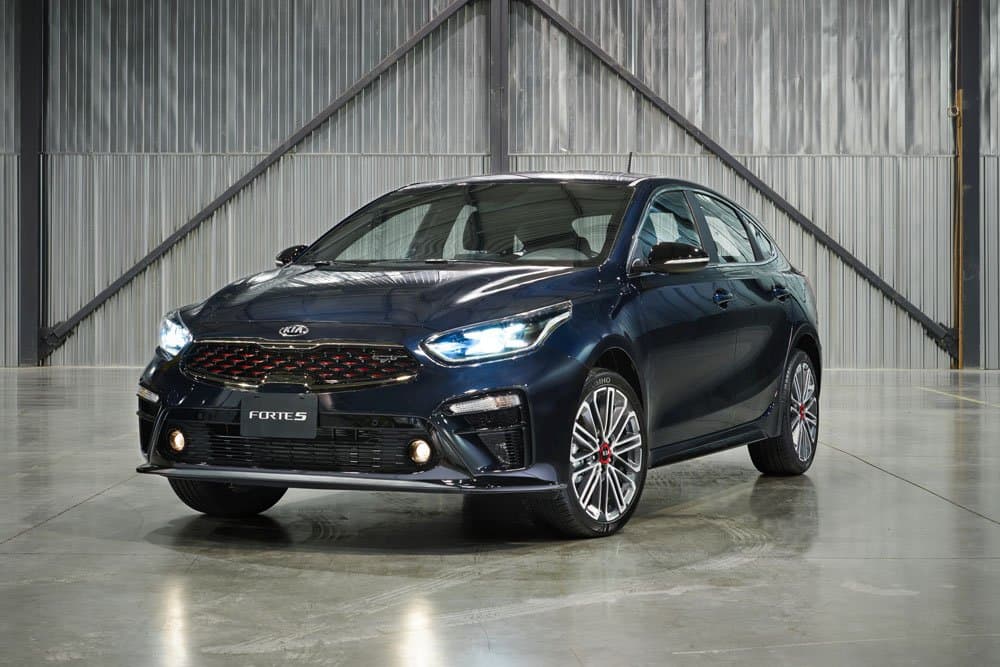
What Research Says About Hatchbacks: Efficiency, Emissions, and Urban Use
Multiple government and independent studies support the advantages of smaller, well-engineered vehicles for urban and fuel-conscious drivers. Research on fuel economy demonstrates that lighter, aerodynamically efficient designs reduce fuel consumption per kilometer for gasoline and hybrid models. Life cycle assessments show that electric hatchbacks generally produce lower lifetime greenhouse gas emissions than equivalent gasoline cars, especially as the grid shifts toward cleaner electricity. Urban planning and transport research also highlights that compact vehicles help reduce congestion and parking demand, while modern safety research confirms that current small cars benefit from advanced crash structures and active driver assistance systems.
Fuel efficiency: Smaller mass and optimized drivetrains improve liters per 100 km for gasoline and hybrid hatchbacks.
Emissions: Life cycle studies indicate EV hatchbacks typically yield lower lifetime CO2 equivalent emissions as grid electricity decarbonizes.
Urban benefits: Compact size reduces parking footprint and can ease city congestion, supporting more efficient use of street space.
Safety advances: Contemporary hatchbacks include active safety systems and engineered crumple zones that improve occupant protection compared with older small cars.
Total cost of ownership: Lower fuel use, simpler maintenance, and available federal or provincial incentives in Canada can reduce ownership costs over time.
Frequently Asked Questions
Which 2026 hatchback should I buy for reliability?
Get the Toyota Corolla Hatchback if you want reliability and low running costs, since it tops the list for “reliability, low running costs, and strong resale value,” and it has a 4.5 average rating.
What exact safety tech does the Corolla Hatchback include?
The Toyota Corolla Hatchback includes the standard Toyota Safety Sense suite with adaptive cruise control, and it has a 4.5 average rating.
Is the Honda Civic Hatchback better value than others?
Honda Civic Hatchback is rated 4.6 on average and is described as the market leader for practicality and long-term ownership value, with a roomy interior and cargo space.
Who might not want the Civic Type R hatchback?
If you don’t want track-focused performance, skip the Honda Civic Type R, which is a “track-focused front-wheel-drive leader” with a high-revving 2.0L turbocharged engine and track-oriented suspension; rating is 4.7.
Conclusion
Hatchbacks remain a smart choice in Canada for buyers who want compact dimensions without sacrificing cargo flexibility or modern efficiency. We hope this overview helped you understand why hatchbacks are still relevant and which features matter most in 2026; if you did not find exactly what you were looking for, refine or expand your search by powertrain, budget, or driving needs to narrow the best options for you.