

Top 5 Compact Long-Range Electric Cars in Canada — 2026
Compact electric models engineered for extended driving range and highway comfort combine a small footprint with higher-capacity batteries and efficient powertrains. In Canada these vehicles appeal to drivers who want easy urban maneuverability and low ownership costs, but who also need confidence for longer commutes, weekend trips, and winter driving. Buyers prioritize real-world range, cold-weather performance, fast charging capability, battery warranty, and on-road comfort at highway speeds. Provincial incentives, expanding public charging networks, and improvements in thermal management and regenerative braking have pushed more compact models into the long-range category, making them a practical choice for many Canadian households in 2026.
Inception's AI took the time to understand this market in Canada · · How we pickWe may earn a commission on purchases. It never affects our rankings.
Top Picks Summary
Tesla Model 3 Long Range
The Tesla Model 3 Long Range is the market leader among compact electric long-range cars thanks to its class-leading real-world range, exceptional efficiency and access to Tesla’s extensive Supercharger network. Compared with the other cars in this list it typically delivers the lowest cost-per-mile and the most advanced over-the-air software features, though it commands a premium price relative to more value-oriented rivals.

Estimated$55,000 – $75,000
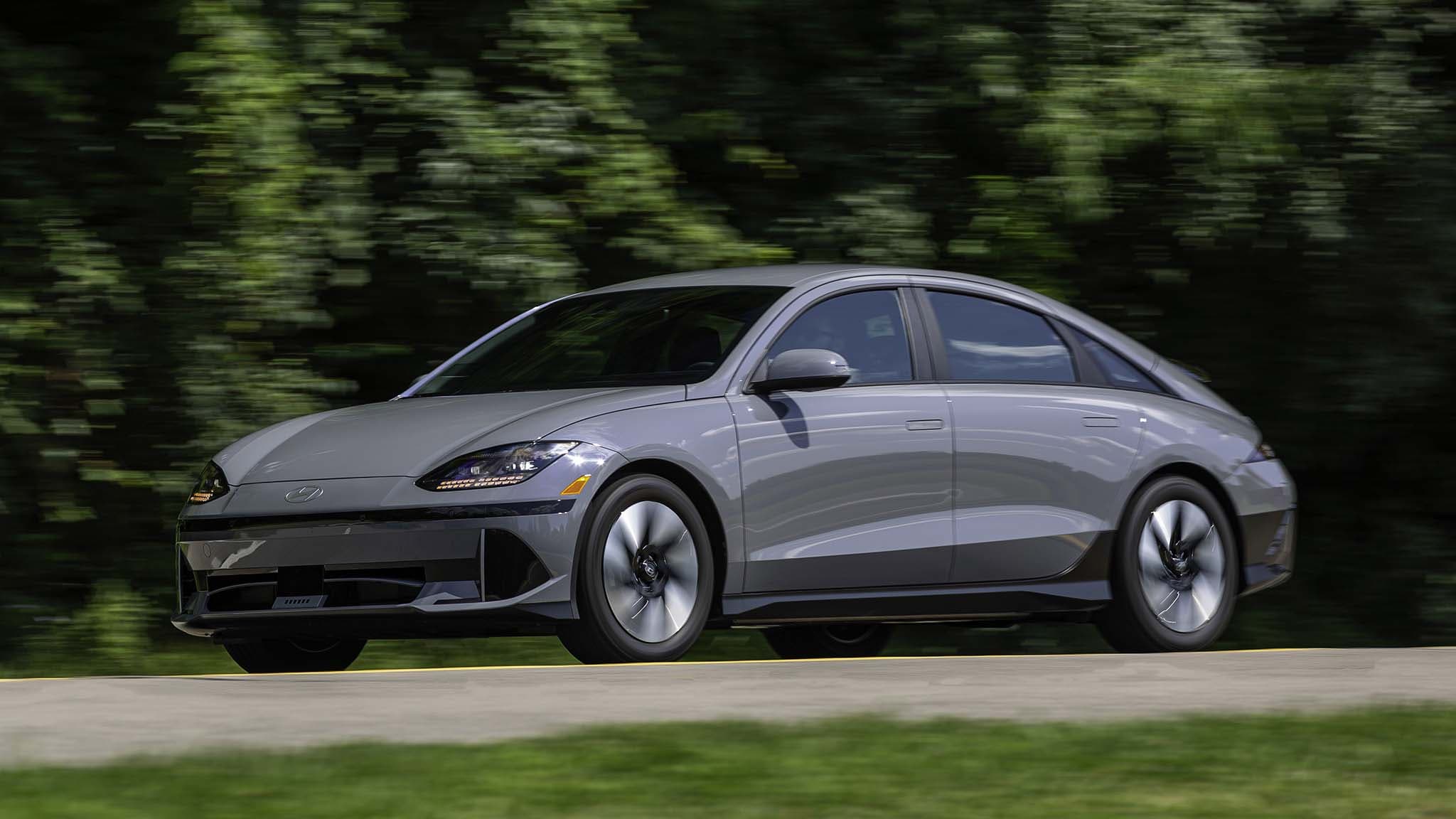
Hyundai Ioniq 6 Long Range
The Hyundai Ioniq 6 Long Range stands out for its aerodynamic design and high efficiency, delivering competitive range at a generally lower purchase price than premium rivals. Versus the rest of this compact long-range cohort it offers an attractive blend of range, charging performance and interior refinement, backed by a strong warranty that improves its total cost of ownership.
Estimated$52,000 – $68,000
Chevrolet Bolt EV
The Chevrolet Bolt EV is the value leader among compact electric long-range cars, offering one of the lowest entry prices and a low total cost of ownership while still providing practical long-range driving for most buyers. Compared with others in this list it trades some top-end charging speeds and premium features for affordability and nimble urban dynamics, making it a smart choice for budget-conscious commuters.

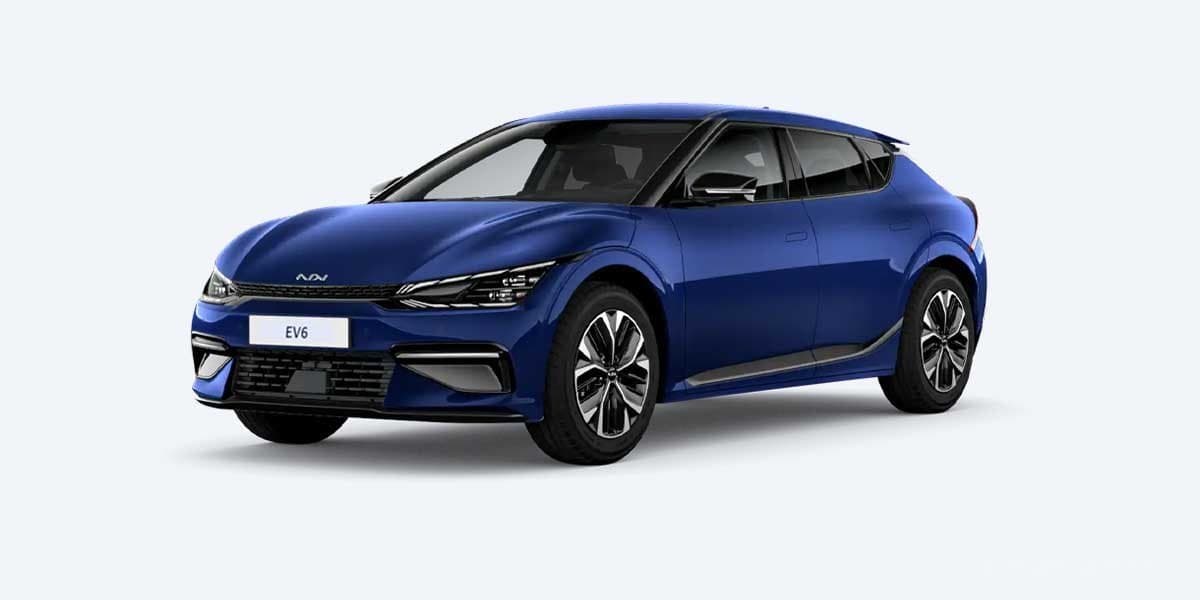
Kia EV6 Long Range
The Kia EV6 Long Range pairs sporty performance with rapid charging capability and long-range battery options, making it a strong technical contender in the compact long-range class. Compared with its peers it delivers sharper handling and faster DC charging than most, while shared platform efficiencies and a generous warranty keep its ownership costs competitive.
Estimated$54,000 – $76,000
What research and testing say about long-range compact EVs
Peer-reviewed studies, government testing, and independent lab and fleet trials consistently show that advances in battery chemistry, pack design, and vehicle efficiency produce meaningful range gains while keeping the vehicle size compact. Research also confirms that thermal management systems and efficient heating solutions reduce the cold-weather penalty that historically affected range. Lifecycle analyses show that, even accounting for manufacturing emissions, electric vehicles tend to produce lower lifetime greenhouse gas emissions than comparable internal combustion vehicles when charged on a typical North American grid, and benefits increase as the grid gets cleaner.
Battery improvements and higher energy density results in more range per kilogram of battery, enabling long-range performance without a large vehicle footprint.
Thermal management and heat pump HVAC systems reduce range loss in cold climates; Natural Resources Canada and independent winter tests show smaller range reductions for modern systems compared with older designs.
Fast charging capability depends on battery chemistry and cooling; models with sustained high power window charges restore range faster on highway routes.
Real-world range varies with speed, temperature, payload, and accessory use; highway driving at sustained high speeds reduces range relative to city conditions, so efficient aerodynamics and powertrain tuning matter.
Lifecycle analyses from academic and industry sources indicate lower lifetime CO2 emissions for EVs versus internal combustion cars in most Canadian charging scenarios, and benefits grow as grid electricity becomes cleaner.
Frequently Asked Questions
Which compact long-range EV should I buy in Canada?
If you want the strongest long-range confidence, consider the Tesla Model 3 Long Range (average rating 4.6), which the list describes as the market leader for class-leading real-world range, efficiency, and access to Tesla’s Supercharger network.
What drivetrain and charging network does Tesla Model 3 Long Range use?
The Tesla Model 3 Long Range uses dual-motor AWD and relies on Tesla’s extensive Supercharger network, plus over-the-air software updates, per the listed key features.
How does the Chevrolet Bolt EV price compare here?
This list states the Chevrolet Bolt EV is the value leader with one of the lowest entry prices, but it doesn’t provide an exact price in the provided data; it does rate at 4.2.
Who is the Chevrolet Bolt EV best for?
The Chevrolet Bolt EV is positioned as the most affordable compact EV option with practical long-range capability, using an efficient single-motor drivetrain and a compact hatchback layout with five-seat practicality.
Conclusion
Compact long-range electric cars give Canadian drivers the best of both worlds: small, city-friendly dimensions plus the confidence to travel longer distances and handle winter conditions. We hope you found the guidance you needed for 2026. Use the site search or refine filters to compare ranges, charging speeds, winter packages, or provincial incentives to find the right compact long-range EV for your needs.