

Top 5 Fleet Catch Basin and Drain Cleaners in Canada for 2026
Published on Saturday, January 24, 2026
Vacuum and jetting catch basin and drain cleaners engineered to remove debris, sediment, and blockages from storm systems and sewers are essential tools for municipal and contractor fleets across Canada in 2026. This category focuses on fleet-grade machines that combine high-flow vacuum pumps, high-pressure jetters, large debris tanks, and remote-controlled hose systems to accelerate routine maintenance, clear blockages and reduce sewer overflows. Canadian buyers favor models that deliver reliable year-round performance, low total cost of ownership, easy serviceability, robust winterization, and compliance with provincial environmental and emissions rules. Increasingly, municipalities and contractors also look for telematics integration, hybrid or electric power options, corrosion-resistant materials for road-salt environments, and modular designs that let a single chassis serve multiple duties. Those preferences reflect priorities in Canadian markets: durability in cold climates, strong dealer support across provinces and territories, worker safety features, and demonstrable environmental benefits such as reduced discharge risk and lower fleet emissions.
Top Picks Summary
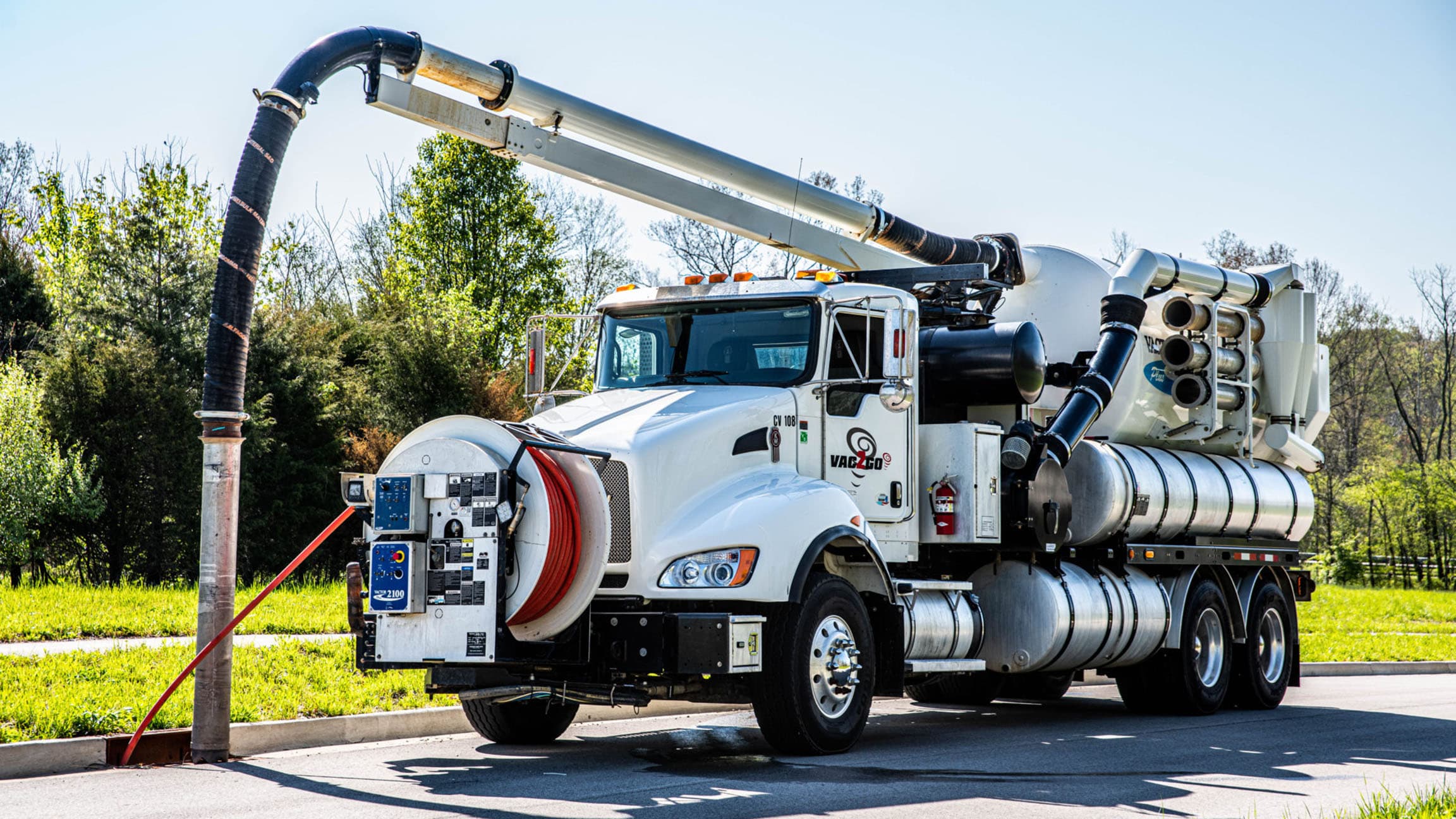
Vactor 2100 Plus
Vactor's 2100 Plus earns best-in-class placement for new fleet catch basin and drain cleaners by combining proven vacuum performance, balanced jetting capability, and fleet-friendly telematics that reduce downtime and total cost of ownership. Compared with Vacall and GapVax it offers a more cost-effective blend of features for mixed route work, while providing superior operator ergonomics and service access relative to Super Products and Sewer Equipment's ECO model.
Vacall AllJetVac
Vacall's AllJetVac is the market leader for aggressive jetting and rapid debris extraction, offering a high-pressure, continuous-jet configuration that clears heavy sediment quickly and minimizes repeat passes. It typically commands a premium over budget units like Super Products and the 900 ECO, but the faster cycle times and strong hydro-cleaning capability can lower long-term labor and rental costs compared with more generalist machines such as the Vactor.

Where to buy Vacall AllJetVac in Canada: the trusted retailers we track in this market, with the best price we have observed at each. Prices are checked regularly and can change, and the retailer confirms the final price at checkout.
We may earn a commission on purchases. It never affects our rankings.
$320,000 – $480,000
Super Products Camel 1200
Super Products' Camel 1200 stands out as the practical, low-cost choice for growing municipal fleets that need dependable drain and catch basin cleaning without high upfront investment. While it does not match the heavy-duty vacuum capacity of GapVax or the high-pressure jetting of Vacall, its simpler mechanicals and lower purchase and maintenance costs make it the most budget-friendly option for routine cleaning workflows.
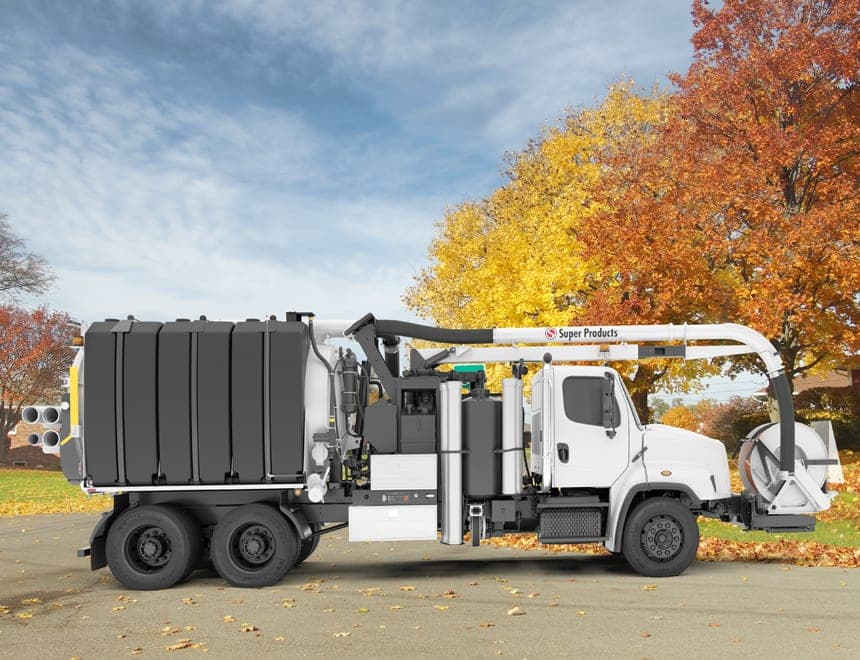
Where to buy Super Products Camel 1200 in Canada: the trusted retailers we track in this market, with the best price we have observed at each. Prices are checked regularly and can change, and the retailer confirms the final price at checkout.
We may earn a commission on purchases. It never affects our rankings.
$200,000 – $350,000
Sewer Equipment Co. of America Model 900 ECO
The Model 900 ECO from Sewer Equipment Co. of America targets fleet buyers focused on fuel efficiency and reduced emissions, offering an economical specification that lowers per-job operating costs and environmental impact. It compromises some peak vacuum and jetting power found in GapVax and Vacall in favor of lower lifecycle costs and straightforward maintenance, making it a sensible choice for sustainability-minded municipalities with moderate cleaning demands.
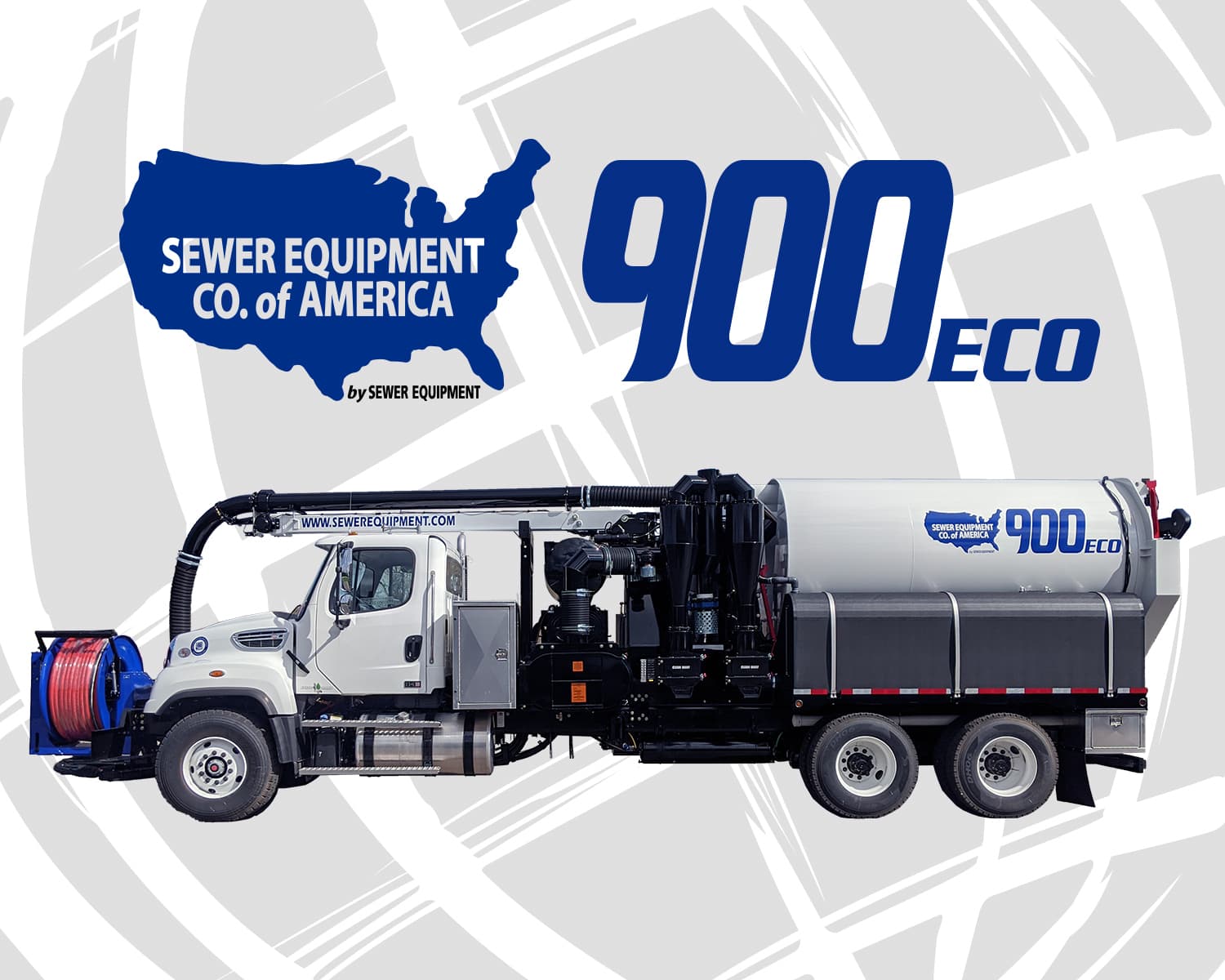
Where to buy Sewer Equipment Co. of America Model 900 ECO in Canada: the trusted retailers we track in this market, with the best price we have observed at each. Prices are checked regularly and can change, and the retailer confirms the final price at checkout.
We may earn a commission on purchases. It never affects our rankings.
$250,000 – $375,000
GapVax MC Series
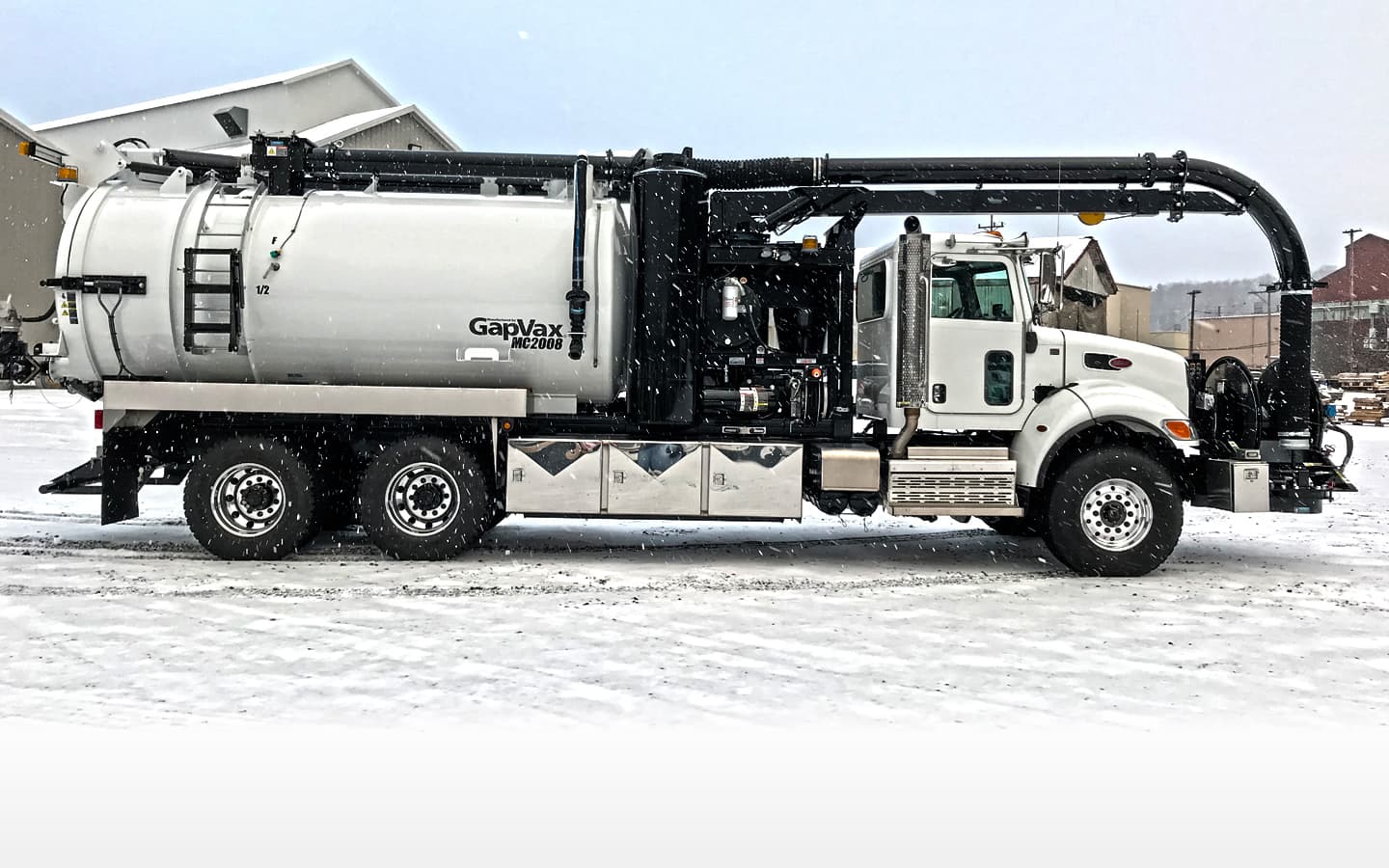
GapVax's MC Series is the market leader for heavy-duty catch basin and drain cleaning, built around a rugged, modular vacuum architecture that maximizes solids handling and minimizes downtime on intensive routes. Although it generally carries a higher initial price than Super Products or the 900 ECO, its superior debris retention, modular serviceability, and uptime yield lower lifecycle costs for the busiest fleets when compared with Vactor and Vacall.
What research and field reports say about vacuum and jetting cleaners
Research from municipal pilot programs, engineering studies, and environmental assessments supports the core benefits of combined vacuum-jetting systems for storm and sewer maintenance. Findings are consistent across many North American municipal reports: high-pressure water jetting effectively dislodges compacted sediment and grease, while vacuum capture prevents re-deposition and reduces the chance of downstream contamination. Fleet upgrades that add telematics and remote controls improve uptime and safety by enabling predictive maintenance and reduced worker exposure to confined spaces and traffic. Electrification pilots and hybrid powertrains reduce local emissions and noise, which is especially valuable in dense urban areas and noise-sensitive neighborhoods.
Combined high-pressure jetting plus vacuum capture improves cleaning completeness versus rodding alone, lowering repeat visits and reducing service disruption.
Field reports from municipal fleets show that larger debris tanks and faster pump flow rates reduce cycle time and total labor per incident.
Telematics and remote-control systems enable predictive maintenance and remote troubleshooting, increasing fleet availability and lowering lifecycle costs.
Electrified or hybrid vacuum-jetting systems reduce tailpipe emissions and noise, supporting municipal climate and community health goals.
Proper winterization and corrosion-resistant materials are validated as necessary for reliability in Canadian climates, minimizing downtime during freeze-thaw seasons.
Frequently Asked Questions
Should our fleet buy Vactor 2100 Plus in Canada?
Choose the Vactor 2100 Plus for new fleet catch basin and drain cleaning because it pairs a 2,500–3,000+ CFM vacuum with high-pressure jetting options and fleet-friendly telematics, and it has a 4.6 average rating.
What vacuum capacity does Vactor 2100 Plus list?
Vactor 2100 Plus is listed with a 2,500–3,000+ CFM vacuum paired with high-pressure jetting options, and it has a 4.6 average rating.
Is Super Products Camel 1200 cheaper than Vacall?
The provided info does not include prices for Super Products Camel 1200 or Vacall AllJetVac, so I can’t compare cost vs value from these sources.
Which unit is best for aggressive jetting heavy sediment?
Vacall AllJetVac is described as best for aggressive jetting and rapid debris extraction, using integrated jetting and vacuuming with high-flow water pumps for heavy debris removal, and it has a 4.5 average rating.
Conclusion
These fleet-grade catch basin and drain cleaners offer the performance and durability Canadian municipalities and contractors expect in 2026. We hope this overview helped you find the right top 5 models for your needs. Use the site search to refine by features such as tank capacity, pump flow, telematics, powertrain type, or dealer coverage to narrow or expand your options.