

Top 6 Luxury Cars in Canada for 2026
Luxury cars in Canada combine superior comfort, advanced technology, and high-end materials to meet the expectations of discerning buyers. For 2026 the category is dominated by electrified drivetrains, full battery electric luxury models, premium SUVs adapted for Canadian winters, and concierge ownership options such as subscription services and bespoke personalization. Canadian buyers place particular value on all-wheel drive capability, cold-weather performance, long electric range or efficient hybrid systems, strong safety ratings, and integrated connectivity for urban and long-distance driving. These vehicles appeal because they deliver a visible upgrade in comfort and refinement, meaningful reductions in running cost and emissions when electrified, and modern ownership choices that prioritize convenience and personalization.
Inception's AI took the time to understand this market in Canada · · How we pickWe may earn a commission on purchases. It never affects our rankings.
Top Picks Summary
The Genesis G90 delivers the strongest value proposition among new luxury sedans by packing near-flagship features, long warranty coverage and generous standard equipment into a price much lower than traditional European rivals. For buyers prioritizing luxury per dollar and ownership benefits, the G90 outperforms many competitors on cost of ownership, though it concedes some prestige and bespoke options found on the S-Class or 7 Series.
Show More New Luxury Sedans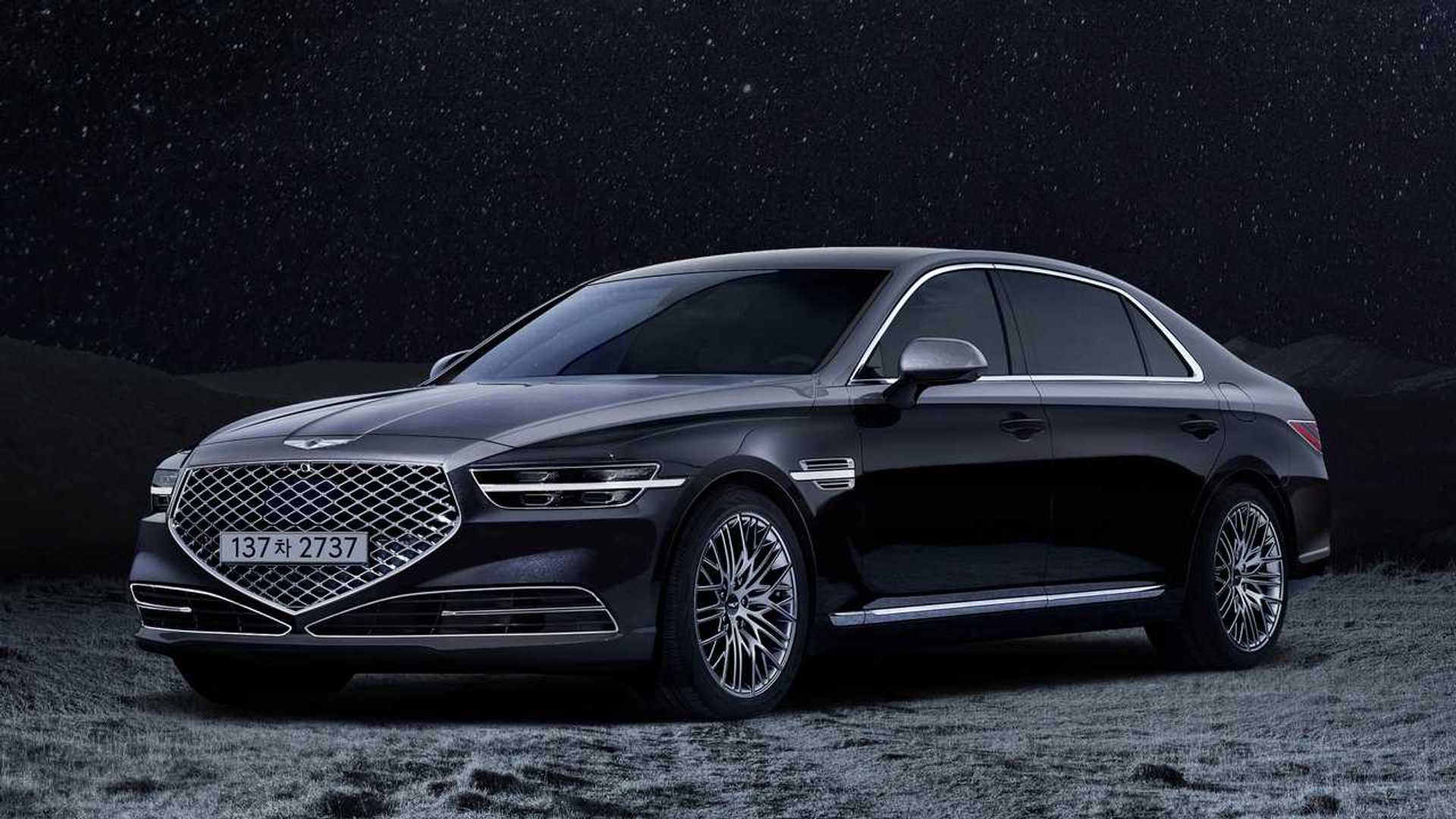
We may earn a commission on purchases. It never affects our rankings.
Estimated$85,000 – $120,000
The GLS 580 is the go-to full-size luxury SUV for families and executives prioritizing cabin space, comfort, and rear-seat technology, delivering a smooth mild-hybrid V8 and one of the segment’s most accommodating interiors. Financially and practically it often undercuts bespoke performance SUVs on everyday ownership costs and provides superior passenger comfort compared with the more performance- or tech-focused XM, Cayenne Turbo E-Hybrid, and Escalade IQ.
Show More New Luxury Sport Utility Vehicles
We may earn a commission on purchases. It never affects our rankings.
$148,400.00CAD
The Lexus LC 500 Convertible secures its place by blending a naturally aspirated V8 with meticulous build quality and an exceptionally refined cabin, offering quieter, more reliable ownership than many European competitors. Although it is less track‑focused than the M4 or 911, its lower long‑term ownership costs, strong fit‑and‑finish, and distinctive styling make it a compelling luxury convertible for buyers who value comfort and dependability over outright lap times.
Show More New Luxury Coupes And Convertibles
The Audi A8 L distinguishes itself through understated luxury, quattro all-wheel-drive stability and a lightweight aluminum construction that enhances ride quality and efficiency for long-distance executive travel. It keeps pace with the 7 Series on technology and rivals the Maybach on rear-seat features when optioned, but positions itself as a technologically sophisticated and subtly styled alternative to the more ostentatious Maybach and driver-centric BMW. In markets where traction, advanced driver assistance and a refined interior package matter, the A8 L often represents a balanced choice between cost and specification.
Show More New Luxury Limousines And Executive Cars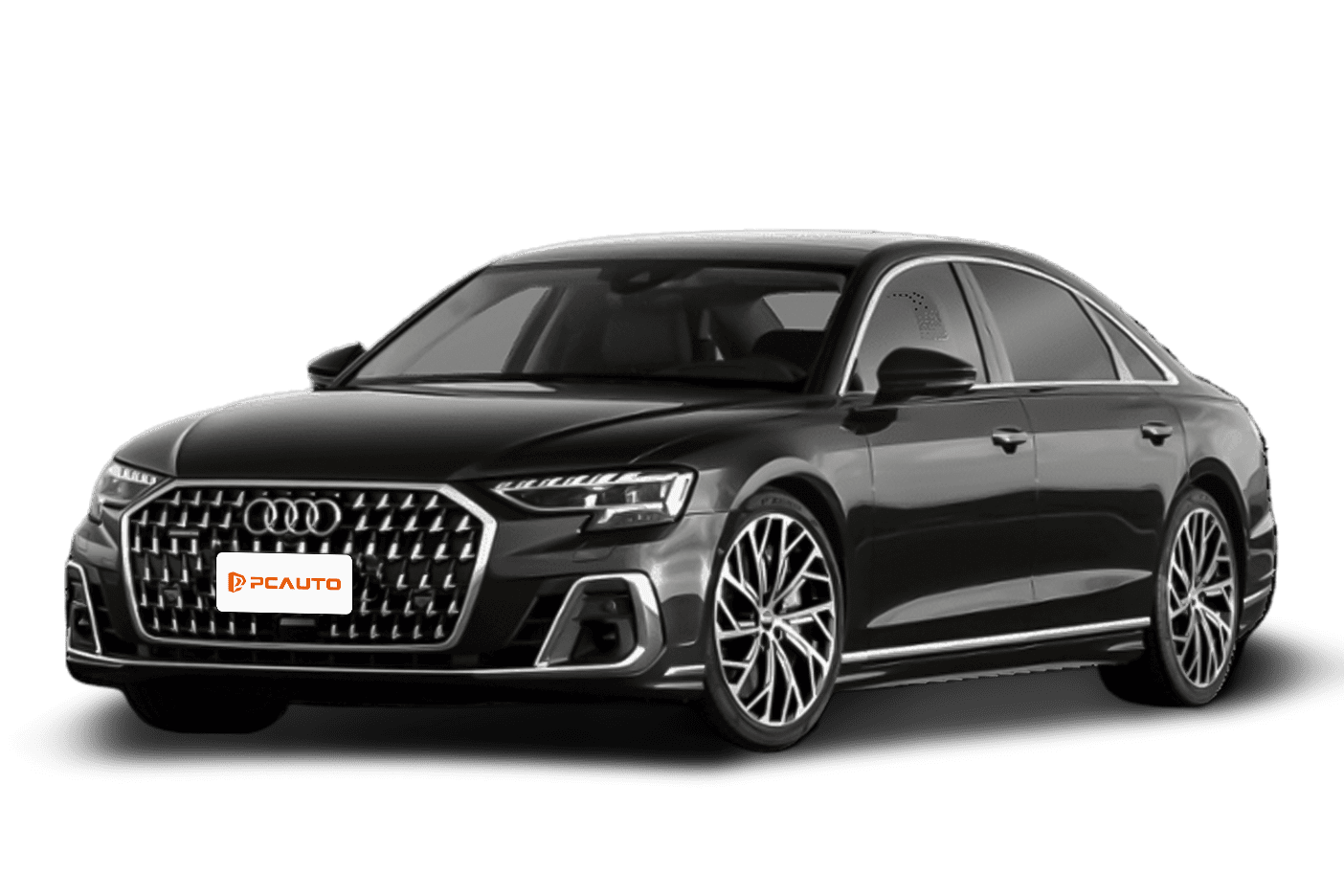
The Lucid Air stands out for offering the highest real-world range and industry-leading drivetrain efficiency among new luxury EVs, paired with a spacious, tech-forward interior that challenges legacy brands on a miles-per-dollar basis. Financially it targets the ultra-luxury segment with aggressive range and efficiency metrics, though prospective buyers should weigh those technical advantages against a smaller dealer and service footprint compared with established German and American manufacturers.
Show More New Luxury Electric Vehicles
We may earn a commission on purchases. It never affects our rankings.
Estimated$120,000 – $200,000
What Research Says About Luxury Vehicle Benefits
Evidence from transportation, safety, and environmental research supports several of the practical benefits luxury cars provide. Studies and government analyses indicate that electrified drivetrains can reduce operational greenhouse gas emissions as grids decarbonize, advanced driver assistance systems lower crash risk for occupants and other road users, and ergonomically designed seats and quieter cabins contribute to lower driver fatigue and better wellbeing. In addition, lifecycle and total cost of ownership studies show that while purchase prices for luxury models are higher, electric and hybrid variants often deliver lower fuel and maintenance costs over time. These findings help explain why many Canadian buyers consider luxury cars a long term, performance‑oriented investment rather than purely a status purchase.
Electric drivetrains and emissions: lifecycle analyses show operational emissions fall significantly for battery electric vehicles, especially when charged from a low carbon electricity grid.
Active safety and ADAS: research from safety organizations demonstrates that lane keeping, automatic emergency braking, and adaptive cruise control reduce certain types of crashes and injuries.
Cabin design and health: lower interior noise and ergonomic seating are associated with reduced driver stress and fatigue on long trips.
Total cost of ownership: studies indicate that reduced fuel use and simplified maintenance for EVs and hybrids can offset higher upfront prices over ownership cycles.
Consumer trends in Canada: market data through the mid 2020s show rising demand for luxury SUVs, long-range luxury EVs, and flexible ownership options such as subscriptions.
Frequently Asked Questions
Which car should I buy for rear-seat comfort in Canada?
Choose the Mercedes-Benz S-Class if you want rear-seat spa luxury: it has rear executive seating with massage functions plus high-end materials, and it carries a 4.7 average rating.
What exact feature does Tesla Model S have for acceleration?
Tesla Model S Plaid delivers ultra-fast acceleration with sub-2.5s 0-100 km/h, and it has an average rating of 4.4.
How does Tesla Model S pricing compare to S-Class in value?
Pricing details aren’t provided for Tesla Model S or Mercedes-Benz S-Class, so I can’t compare value by cost; what’s available is Tesla Model S Plaid’s sub-2.5s 0-100 km/h and the S-Class 4.7 rating.
Is Porsche 911 Carrera Cabriolet good for open-top driving?
Yes—the Porsche 911 Carrera Cabriolet is built for an open-top experience, featuring a rear-mounted flat-six with sharp throttle response and a 4.7 average rating.
Conclusion
In Canada the luxury car category for 2026 is defined by electrification, winter-ready engineering, and ownership flexibility. We hope this summary helped you understand why these premium vehicles are appealing and which trends matter most. If you did not find exactly what you wanted, refine or expand your search using the site search to filter by drivetrain, body type, range, features, or ownership options.