

Top 5 Laser Metal Deposition Repair Systems in Canada (2026)
Published on Saturday, January 24, 2026
Focused laser metal deposition systems designed for precision repair, cladding, and surface restoration of high-value metal components are transforming maintenance and remanufacturing across Canadian industry. These systems combine laser sources, controlled powder or wire feed, multi-axis motion, and in-situ monitoring to deliver repeatable, certified repairs for aerospace, power generation, oil and gas, mining, rail, and heavy equipment sectors. Canadian buyers value solutions that reduce downtime, extend asset life, and meet strict qualification requirements for critical parts while minimizing heat-affected zones and material waste. Preference trends in Canada emphasize automation and adaptive path planning for consistent results, local service and training, energy efficiency, and systems that support traceable process control and part documentation required for certification and supply chain compliance.
Top Picks Summary
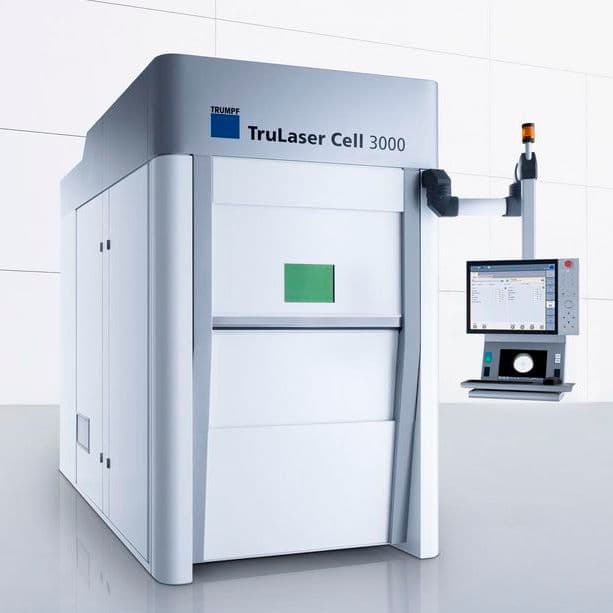
TRUMPF TruLaser Cell 3000
The TruLaser Cell 3000 is positioned as a market-leading, highly automated laser deposition cell that combines excellent beam quality with turnkey process monitoring, making it a top choice for high-throughput repair shops. Its strong factory integration and global service network reduce downtime and total cost of ownership compared with smaller or less-integrated systems on this list. For repair-specific work it outshines more lab-focused or lower-cost DED options by offering greater productivity and automation-ready workflows.
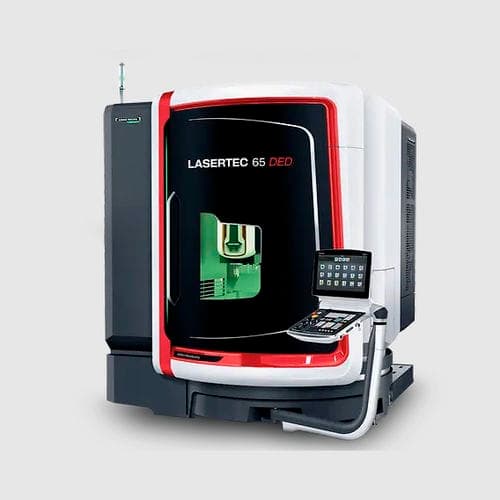
DMG MORI LASERTEC 65 DED
The LASERTEC 65 DED is a hybrid, CNC-integrated platform that pairs additive DED capabilities with precision subtractive machining, giving it an edge for complex part refurbishment and one-setup repairs. Financially it targets shops that value part-complete workflow efficiency—reducing cycle time and fixturing costs compared to separate add-and-machine approaches used by other vendors. Technically it is more versatile for turned or multi-axis geometries than simpler deposition-only systems on this list.
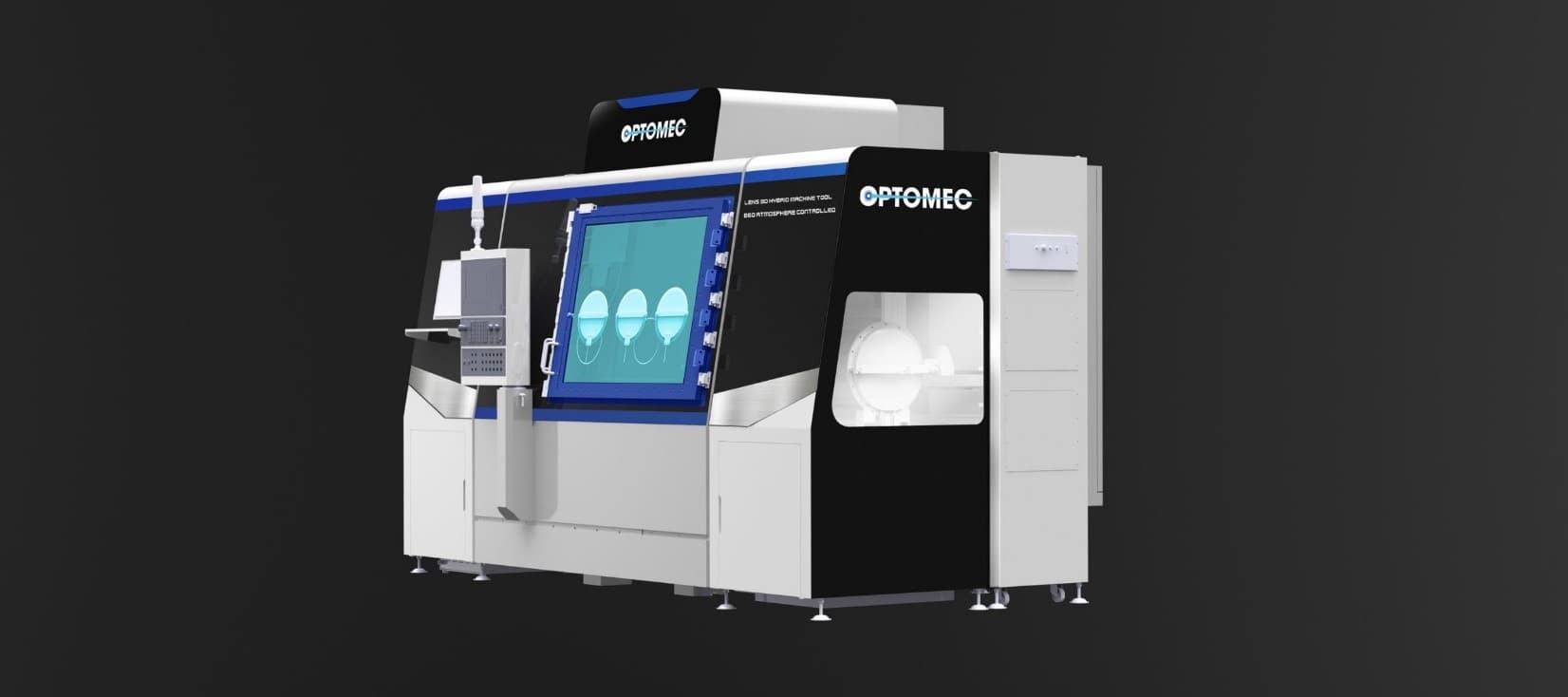
Optomec LENS 860
The LENS 860 is a well-established powder-fed DED system notable for its open architecture and adaptability, making it a cost-effective option for aerospace and niche repair applications. Its lower capital entry point and ease of retrofit into existing production lines make it financially attractive versus larger turnkey cells, although it typically requires more integrator effort to reach the same automation level as the premium systems. Technically it excels in flexible material capability and field-proven deposition processes compared to lab-oriented laser sources.
Coherent Laser Cladding System
Coherent's Laser Cladding System leverages high-performance laser sources and precision beam delivery to produce exceptionally consistent clads and fine-feature repairs, making it ideal where surface integrity and narrow heat-affected zones matter most. While it may not include the same level of turnkey cell automation as some industrial OEM offerings, its technical advantage in laser quality and energy efficiency can lower operating costs per watt and improve process stability. In repair applications it is often chosen for precision refurbishment tasks that other, more generalized systems on this list struggle to match.
Lincoln Electric LINC-FORM DED System
The LINC-FORM DED System combines Lincoln Electric's welding and metallurgy expertise with a practical, rugged DED platform geared toward shops and field repairs, delivering strong value for surfacing and rebuild work. It tends to be more affordable and easier to deploy than high-end cells, offering a favorable cost-to-performance ratio for businesses focused on repair throughput rather than full factory automation. Compared with the premium laser integrators here, Lincoln's system emphasizes usability, proven powder/wire feed reliability, and serviceability in industrial environments.
Research and Evidence Behind Laser Metal Deposition Benefits
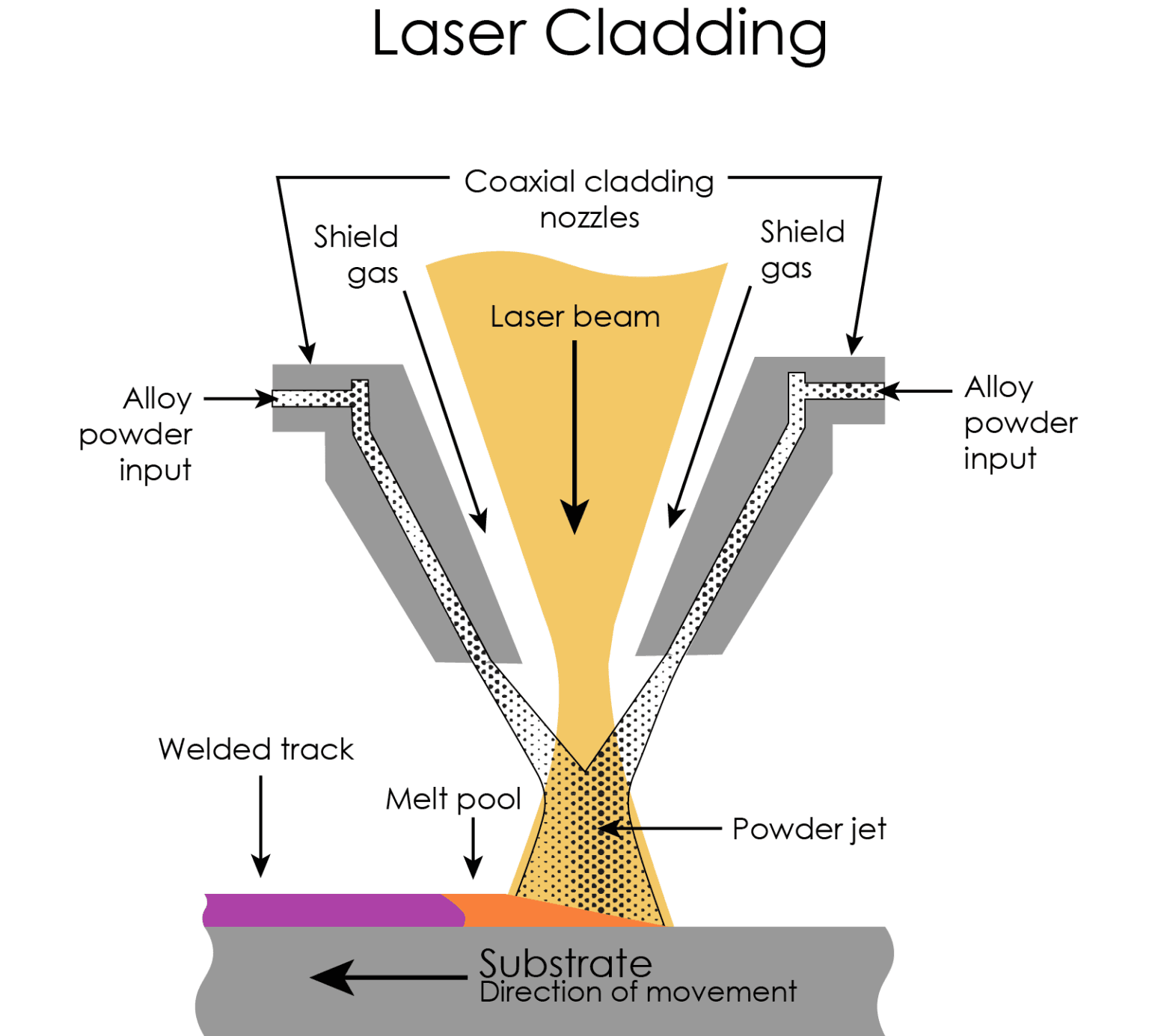
A growing body of peer-reviewed research, industry reports, and applied case studies supports the advantages of directed energy deposition and laser cladding for repair and surface restoration. Studies and field trials show that controlled laser metal deposition can restore geometry with strong metallurgical bonding, preserve base material properties, reduce the heat-affected zone relative to traditional welding, and enable targeted addition of corrosion- or wear-resistant alloys. Advances in closed-loop monitoring, melt-pool sensing, and adaptive toolpath algorithms improve repeatability and reduce rework, making these systems suitable for qualification workflows in regulated industries.
Metallurgical integrity: Research and industrial case studies report robust metallurgical bonds between deposited material and substrate when process parameters are optimized, supporting structural repair and fatigue performance.
Minimized thermal impact: Laser-based DED focuses energy locally, which reduces the heat-affected zone and residual stresses compared with many conventional welding repair methods.
In-situ monitoring improves outcomes: Real-time melt-pool and geometry sensing combined with closed-loop control reduces defects and variability, enabling more consistent repair quality across operators and sites.
Qualification pathways: Evidence from aerospace and power generation projects shows that reproducible DED processes, with documented parameters and inspection data, support part requalification and certification.
Operational benefits: Case studies show reductions in machining, scrap, and part lead time when repairs are performed with automated laser deposition systems versus fully new part replacement.
Frequently Asked Questions
Which laser deposition repair system fits high-throughput shops best?
TRUMPF TruLaser Cell 3000 is the best fit for high-throughput repair shops because it’s an integrated multi-axis robot cell with a fiber-laser source plus built-in process monitoring, and it holds an average rating of 4.6.
What capability does DMG MORI LASERTEC 65 DED offer?
DMG MORI LASERTEC 65 DED offers a hybrid platform combining precision 5-axis milling with directed energy deposition for complete rebuild and finish in one setup, with average rating 4.5.
Is Optomec LENS 860 cheaper than TRUMPF TruLaser Cell 3000?
The provided data doesn’t list any prices for Optomec LENS 860 or TRUMPF TruLaser Cell 3000, so I can’t compare value by cost; Optomec LENS 860 is rated 4.3 and TRUMPF TruLaser Cell 3000 is rated 4.6.
What kind of powder feed does Optomec LENS 860 use?
Optomec LENS 860 is a powder-fed DED system, and its key spec is tightly integrated powder delivery and beam control for consistent metallurgy and minimal dilution; it has an average rating of 4.3.
Conclusion
This selection highlights five leading laser metal deposition repair systems available to Canadian buyers in 2026: TRUMPF TruLaser Cell 3000, DMG MORI LASERTEC 65 DED, Optomec LENS 860, Coherent Laser Cladding System, and Lincoln Electric LINC-FORM DED System. Each platform targets precision repair, cladding, and certified workflows; the TRUMPF TruLaser Cell 3000 stands out as the best overall choice for buyers prioritizing high automation, tight process control, and broad qualification support. We hope you found the system you were looking for. You can refine or expand your search using the site search to compare specifications, local support options, or industry-specific case studies.