

Top 5 Alloy Chain Slings in Canada for 2026: Grade 80, 100 and 120
Alloy chain slings for material handling equipment deliver high-performance lifting solutions across construction, manufacturing, resource extraction and marine sectors in Canada. Built from Grade 80, 100 and 120 alloy chains, these slings provide superior tensile strength, wear resistance and predictable working load limits for rugged lifting tasks. Recent trends in Canada emphasize heat-treated chain manufacturing, traceable certification and tagging, modular length adjustments for quicker rigging, and corrosion-resistant coatings designed for offshore and outdoor use. Canadian buyers prefer certified, traceable products that reduce downtime, meet provincial and federal safety standards, and withstand harsh winter and marine environments, making alloy chain slings a practical choice for long-term value and safety.
Inception's AI took the time to understand this market in Canada · · How we pickWe may earn a commission on purchases. It never affects our rankings.
Top Picks Summary
Pequot Tool Grade 100 Alloy Chain Sling
Pequot Tool's Grade 100 alloy chain sling is positioned as a best-in-class option for material handling because it balances high-strength heat-treated alloy with value-oriented pricing and fast custom lengths for shop floor needs. Compared with premium-priced competitors on this list, Pequot emphasizes rapid availability and economical total purchase cost while still meeting industry proof-test and traceability expectations for Grade 100 slings.

Estimated$250 – $800
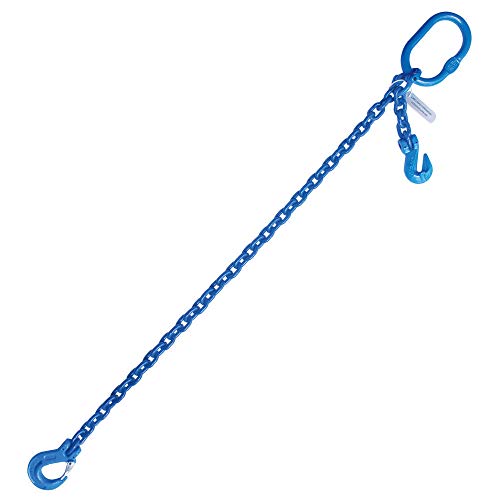
Lift-All Grade 100 Alloy Steel Chain Sling
Lift-All's Grade 100 alloy steel chain sling is presented as a market-leading heavy-duty choice thanks to its robust component design and broad capacity range that supports demanding lifts in industrial settings. Its technical durability and extensive distributor network translate into lower lifecycle costs and predictable uptime compared with more specialty or budget competitors in this set.
Estimated$400 – $1,200
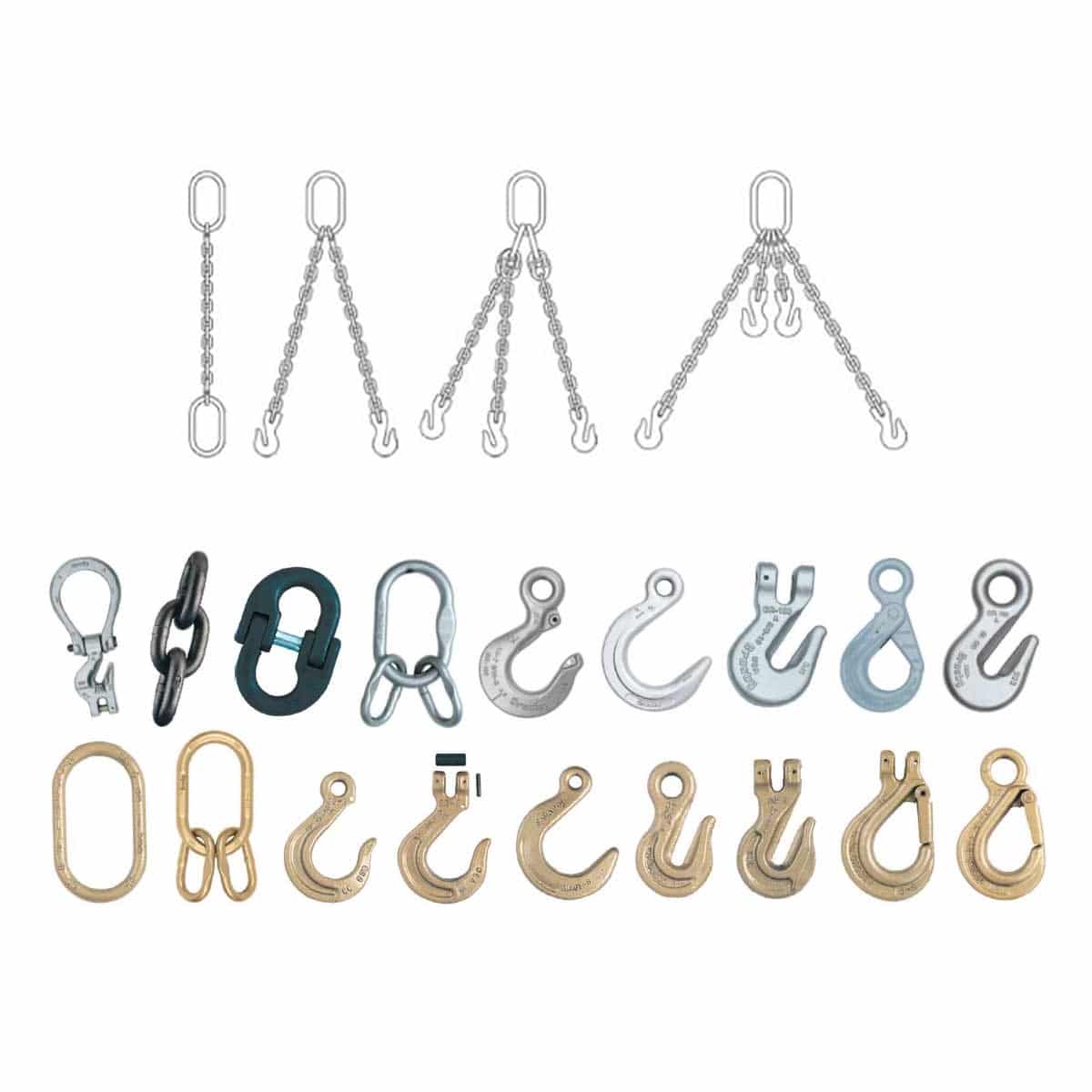
Crosby Spectrum 4 Grade 100 Chain Sling
Crosby's Spectrum 4 Grade 100 chain sling earns a top-tier spot by combining premium metallurgy, extensive traceability, and advanced connectors that appeal to safety-focused operations. While it carries a premium compared with commodity slings like the Pequot or Peerless offerings, the Crosby product reduces inspection uncertainty and resale/recertification friction, which can offset higher upfront cost for critical lifts.
Estimated$600 – $2,000
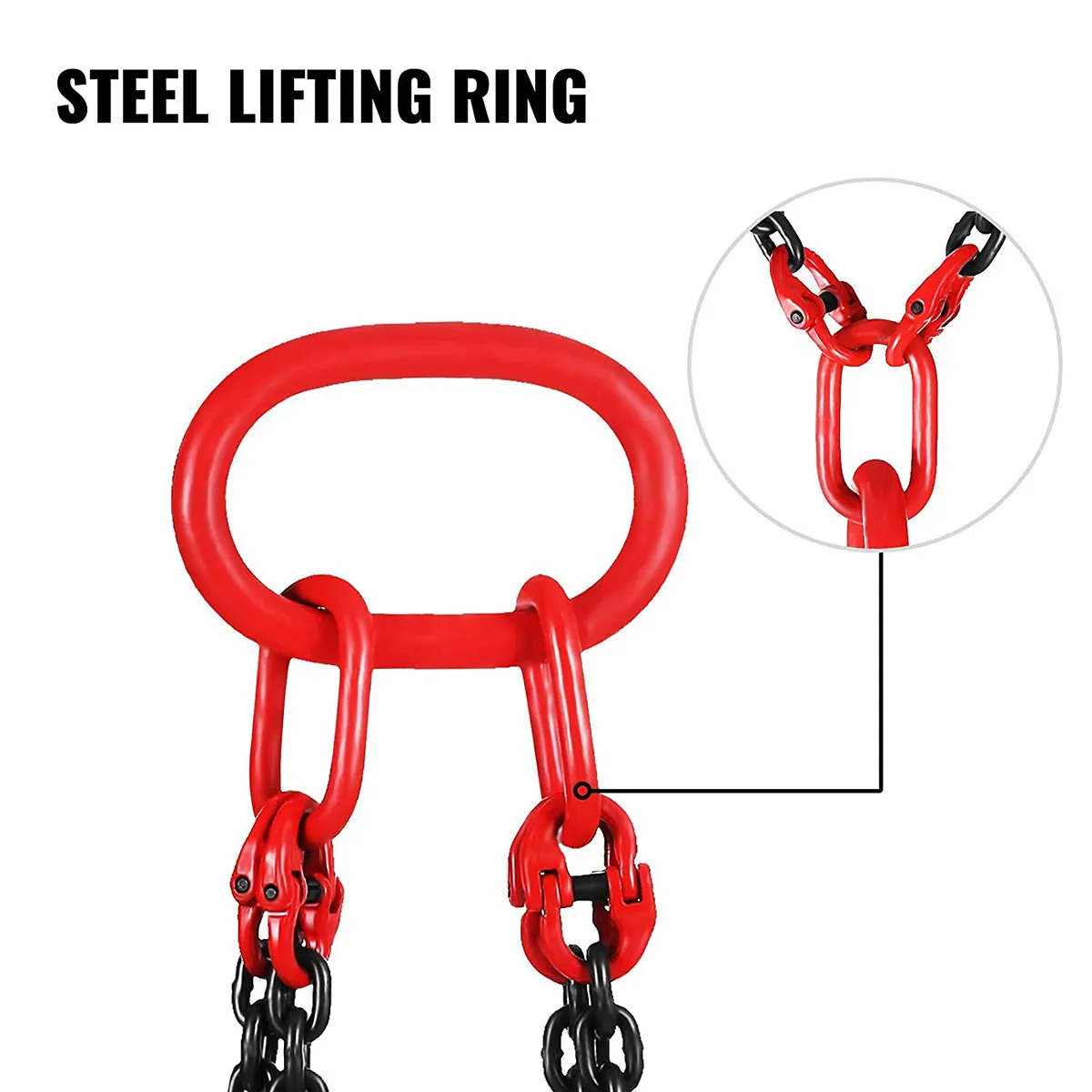
Peerless Industrial Grade 80 Alloy Chain Sling
Peerless Industrial's Grade 80 alloy chain sling is highlighted as a cost-effective, workhorse solution for general material handling where Grade 100 strength is not required; it delivers dependable performance at a lower purchase price. Compared to the Grade 100 items in this list, the Peerless Grade 80 offers a lower-capacity but more economical option for moderate lifts and frequent replacement cycles, making it attractive for high-volume, low-risk applications.
Estimated$150 – $550
CM Rigging Grade 100 Herc-Alloy Chain Sling
CM Rigging's Grade 100 Herc-Alloy sling is noted for its high fatigue resistance and engineered connectors, positioning it as a premium, heavy-use choice for repetitive industrial handling. Its technical advantages in wear life and comprehensive aftermarket support often yield a lower total cost of ownership versus lower-spec or niche-brand slings on this list, making it appealing for continuous-production environments.

Estimated$450 – $1,500
Research-backed benefits of alloy chain slings
Material science and industry testing consistently show that heat-treated alloy steels used in Grade 80, 100 and 120 chains increase tensile strength and fatigue resistance compared with untreated grades. Higher chain grades allow smaller, lighter components to carry greater loads while maintaining a margin of safety, improving operator ergonomics and reducing handling costs. Traceable certification and serial tagging help with preventative maintenance and regulatory compliance by enabling accurate inspection histories and clear replacement schedules. Corrosion-resistant surface treatments, such as hot-dip galvanizing and duplex coating systems, extend service life in marine and outdoor environments by slowing pitting and stress-corrosion cracking. Modular sling designs and standardized fittings reduce rigging time and can lower the risk of improper assembly.
Heat-treated alloy chains show improved fatigue life and higher yield strength compared with non-heat-treated options.
Grade 100 and 120 chains provide higher working load limits per diameter, enabling lighter rigging for the same capacity.
Traceability and certification improve safety management and simplify regulatory inspections and audits.
Corrosion-resistant coatings significantly reduce material loss and failure risk in offshore and outdoor applications.
Modular length adjustments and standardized components speed rigging and reduce maintenance downtime.
Frequently Asked Questions
Which Grade 100 chain sling should I buy for industrial lifts?
Choose Lift-All Grade 100 Alloy Steel Chain Sling for demanding industrial rigging because it’s heat-treated Grade 100 with high strength and fatigue resistance, plus a wide selection of assemblies and custom lengths; it’s rated 4.7.
What spec does the Pequot Tool Grade 100 chain sling use?
The Pequot Tool Grade 100 Alloy Chain Sling uses Grade 100 alloy steel construction for higher working loads with reduced chain weight, and includes forged fittings and a master link with manufacturer proof-testing and lot traceability; it’s rated 4.4.
How does Crosby Spectrum 4 Grade 100 pricing compare to others?
Crosby Spectrum 4 Grade 100 Chain Sling lists for $1058 and is rated 4.8, while both Pequot Tool Grade 100 and Crosbys list at $1058 with ratings 4.8 and 4.8 respectively; Lift-All’s listing price isn’t provided.
Is Lift-All Grade 100 sling available in custom lengths for Canada?
Yes—Lift-All Grade 100 Alloy Steel Chain Sling supports custom lengths and broad capacity assemblies, with serialized traceability and proof-load testing; its average rating is 4.7, and a specific warranty duration isn’t provided.
Conclusion
In Canada, alloy chain slings built from Grade 80, 100 and 120 chains are a top choice for heavy-duty material handling thanks to their strength, durability and compliance advantages. We hope this overview helped you identify the right features to look for in 2026; use the search to refine by grade, coating, certification or application to find the best sling for your needs.