

Top 5 Robotic Layer Forming and Patternizing Systems in Canada: 2026
Robotic layer forming and patternizing systems are automated solutions that build pallet layers and arrange cases or products into repeatable formations using robots, vacuum grippers, or mechanical tooling. In Canada these systems are popular across food and beverage, cold storage, consumer packaged goods, and e-commerce distribution because they deliver consistent layer patterns, better pallet utilization, rapid changeovers for seasonal and promotional SKUs, and safer work environments. Canadian buyers prefer flexible systems that handle mixed SKUs, integrate with existing conveyors and warehouse software, perform reliably in cold or hygienic conditions, and come with strong local support and predictable ROI.
Inception's AI took the time to understand this market in Canada · · How we pickWe may earn a commission on purchases. It never affects our rankings.
Top Picks Summary
FANUC M-410iC Palletizing Robot
The FANUC M-410iC is positioned as a top-tier palletizing robot for high-throughput layer forming and patternizing systems thanks to its industry-leading cycle speeds, mature tooling ecosystem, and extensive global support network. Compared with the other solutions on this list it typically delivers higher throughput and shorter integration time, which reduces effective cost-per-layer despite a higher initial equipment price, and it pairs well with third‑party PAC controllers when integrators want centralized machine logic.

Estimated$120,000 – $250,000
KUKA KR QUANTEC PA Arctic
The KUKA KR QUANTEC PA Arctic is a market leader where extreme-environment reliability and long reach are required for robotic layer forming and patternizing systems, offering ruggedized components and low-temperature readiness that keep production running where standard units would require expensive enclosures. Relative to FANUC and ABB it trades some peak-cycle aggressiveness for environmental resilience and corrosion protection, and it can be the most cost-effective option when ambient conditions would otherwise necessitate extensive line modifications.

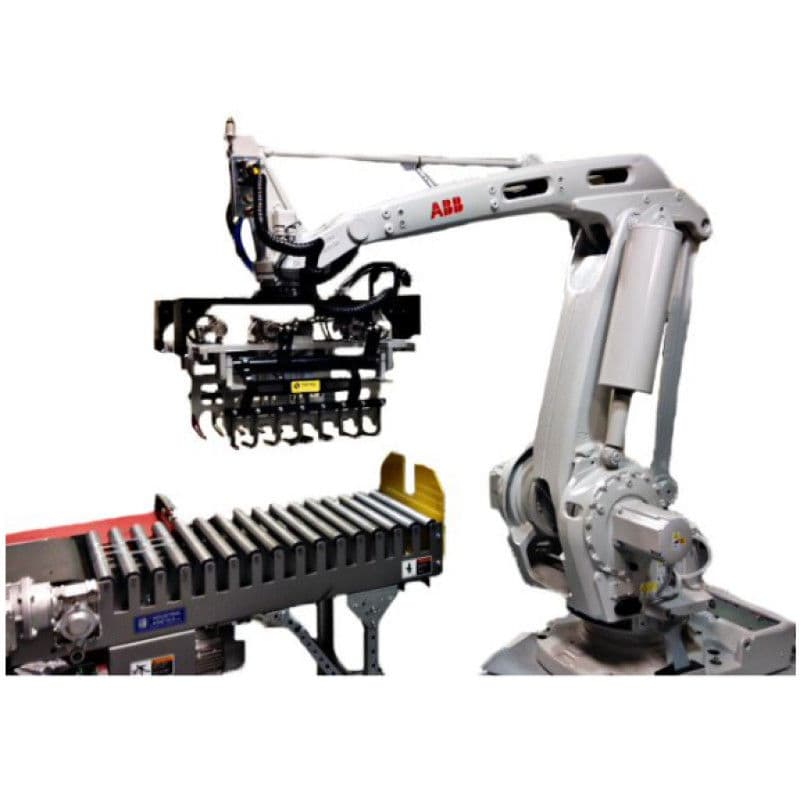
ABB IRB 660 Palletizer
The ABB IRB 660 stands out for its precise motion control, energy-efficient drives, and tight software integration (RobotStudio) that simplify patternizing, simulation and changeover for layer forming applications. It competes closely with FANUC on speed but often wins on ease of offline programming and digital commissioning, and compared with turnkey vendors it reduces engineering hours by leveraging ABB’s toolchain and digital twins to lower total deployment cost.
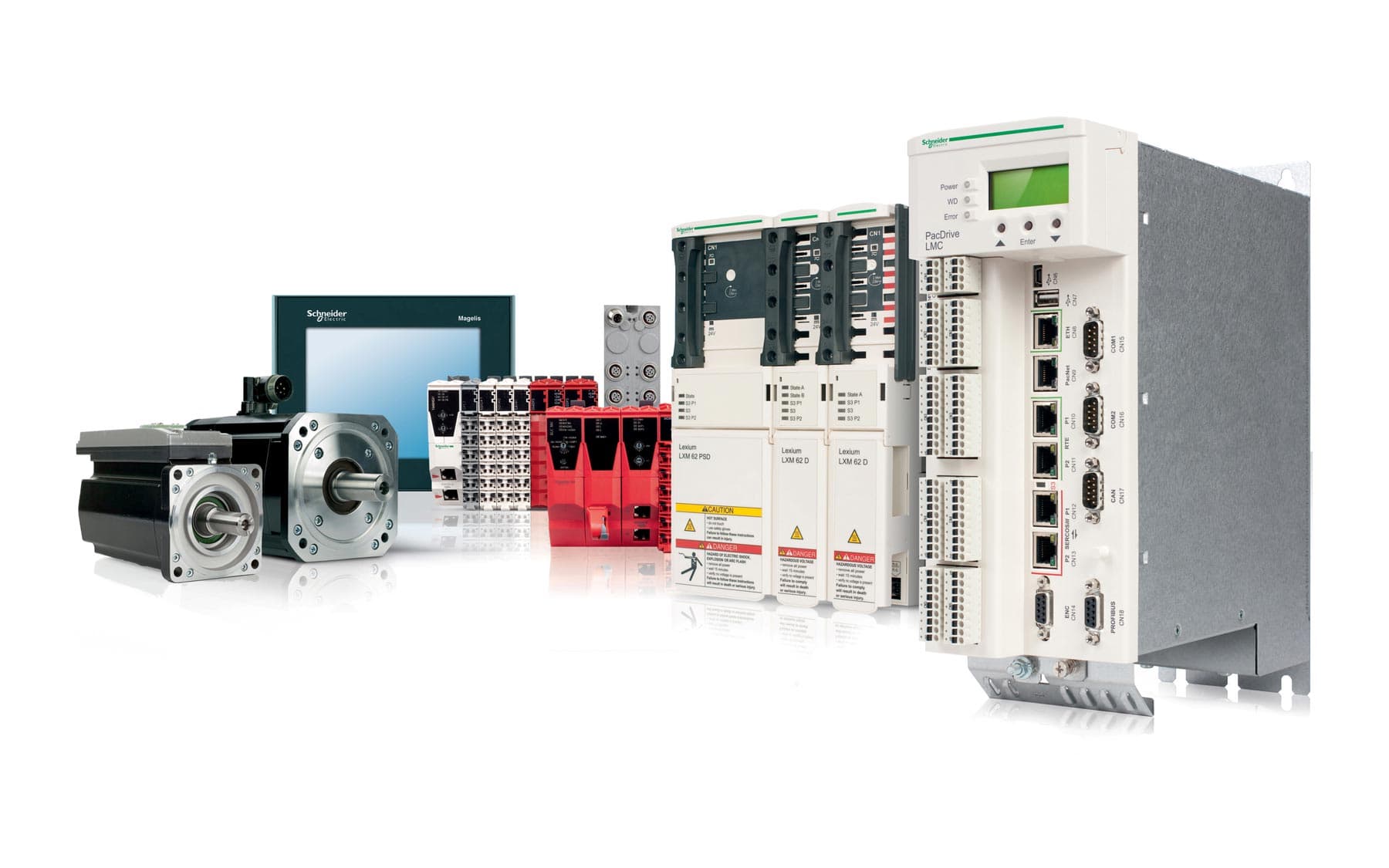
Schneider Electric PAC Machine Layer Former
The Schneider Electric PAC Machine Layer Former is a controller-centric solution optimized for coordinating multi-robot layer forming and patternizing cells, providing strong PLC/SCADA integration, centralized I/O and energy management that reduce engineering complexity and system-wide operating costs. Unlike OEM robots that bundle motion hardware and controls, Schneider’s PAC makes it easier and cheaper to integrate mixed-brand robots (FANUC, KUKA, ABB, Brenton) into a single control architecture, which shortens commissioning time in heterogeneous installations.
We may earn a commission on purchases. It never affects our rankings.
Estimated$60,000 – $180,000
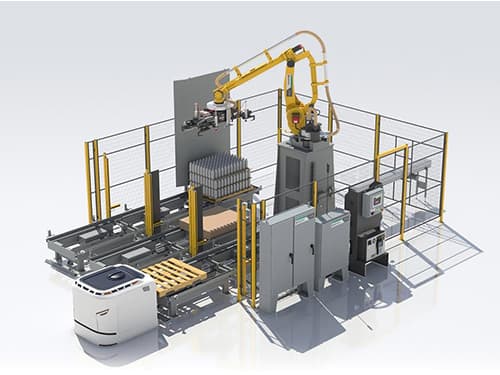
Brenton RPL-3000 Robotic Palletizer
The Brenton RPL-3000 is a compact, turnkey robotic palletizer aimed at delivering rapid ROI for medium-duty layer forming and patternizing lines with a favorable price-to-performance ratio and simplified on‑site installation. Compared with the larger OEM robots it typically lowers upfront capital and installation costs and is faster to deploy for standard patterns, though it may have a smaller global service footprint than the multinational robot suppliers.
Estimated$150,000 – $300,000
Research and evidence supporting robotic layer forming and patternizing
A mix of academic research, industry white papers, and supplier case studies demonstrates measurable operational benefits from layer forming and patternizing systems. Evidence covers productivity gains, reduction in manual handling injuries, improved pallet stability and load density, and faster changeovers that support frequent SKU rotation. For newcomers, the strongest, reproducible benefits are improved throughput, lower labor cost per pallet, and better space utilization on trucks and in cold storage.
Throughput improvement: industry reports and case studies commonly report throughput increases in the 20 to 60 percent range after deploying automated layer forming and patternizing, depending on line complexity and product mix.
Labor and safety: deployments typically reduce repetitive manual handling and associated injury risk, with many operations reporting 40 to 70 percent lower direct manual labor for pallet building tasks.
Pallet utilization and damage reduction: more consistent patterns and optimized layer nesting can increase pallet cube utilization by 10 to 30 percent and reduce product damage during transport and storage.
Changeover speed and flexibility: modern systems with recipe-driven pattern libraries cut layer changeover times dramatically, often by 50 to 90 percent compared with manual reconfiguration, enabling fast response to seasonal SKUs.
Return on investment: supplier case studies and pilot programs in North America often show payback windows within 12 to 24 months when accounting for labor savings, reduced damage, and improved shipping efficiency.
Cold and hygienic environments: research and field data indicate that robots and tailored end-of-arm tooling designed for low temperatures and washdown environments maintain reliability and meet food safety needs when specified correctly.
Frequently Asked Questions
Which robot is best for high-throughput layer forming?
For high-throughput layer forming and patternizing, the FANUC M-410iC Palletizing Robot is a strong pick with its high-speed six-axis design optimized for continuous palletizing and layer forming, plus a 410-kg payload and a 4.6 rating.
What exact capability does the ABB IRB 660 offer?
The ABB IRB 660 Palletizer supports precise patternizing with compact tight repeatability for accurate layer placement, and it includes optimized palletizing routines with easy recipe changeover via ABB control systems, with a 4.4 average rating.
How does the FANUC M-410iC value compare by price?
The provided list doesn’t include any prices for the FANUC M-410iC Palletizing Robot, ABB IRB 660 Palletizer, or KUKA KR QUANTEC PA Arctic, so I can’t compare Canadian value by cost from this data.
Does the KUKA KR QUANTEC PA Arctic suit cold storage?
Yes—the KUKA KR QUANTEC PA Arctic is engineered for reliably operating in low-temperature and harsh environments with robust sealed components and corrosion-resistant finishes for food and cold-chain use, and it has a 4.5 average rating.
Conclusion
In Canada in 2026, robotic layer forming and patternizing systems deliver clear value across industries that need repeatable pallet patterns, faster changeovers, and better truck and storage utilization. The five systems featured here are the FANUC M-410iC Palletizing Robot, KUKA KR QUANTEC PA Arctic, ABB IRB 660 Palletizer, Schneider Electric PAC Machine Layer Former, and Brenton RPL-3000 Robotic Palletizer. For most Canadian operations looking for the best combination of speed, service network, and flexibility, the FANUC M-410iC Palletizing Robot is the top pick, while the KUKA KR QUANTEC PA Arctic stands out for extreme cold environments, ABB IRB 660 is a compact option, Schneider Electric PAC Machine Layer Former focuses on precision layer forming, and the Brenton RPL-3000 delivers high-speed palletizing. I hope you found what you were looking for; you can refine or expand your search using the site search to match your plant layout, SKU mix, or service needs.