

Top 7 Masking Tapes for Automotive and Industrial Use in Canada (2026)
Specialized masking tapes engineered for paint lines, powder coating, and surface protection are essential in automotive and industrial processes across Canada. These tapes are designed to deliver clean removal, solvent resistance, and precise edge control, while withstanding higher temperatures and demanding production cycles. Canadian buyers favor tapes that combine consistent adhesion with low residue, high-temperature tolerance for bake cycles, and compatibility with modern coatings and substrates, including metals, composites, and painted surfaces. Trends driving selection in 2026 include growth in electric vehicle manufacturing, stricter environmental and VOC rules, increased use of powder coating, and demand for sustainable materials and reduced rework costs. Professionals look for reliable lab-tested performance, ease of use on automated lines, and manufacturers that provide clear specifications and technical support.
Inception's AI took the time to understand this market in Canada · · How we pickWe may earn a commission on purchases. It never affects our rankings.
Top Picks Summary
IPG ProMask Blue with BLOC-It
Engineered for high-throughput industrial lines, IPG ProMask Blue with BLOC-It combines consistent adhesion and a controlled release profile that lowers tape-related downtime across long production runs. Its BLOC-It technology helps prevent adhesive pick-up and paint lifting, delivering predictable peeled edges that reduce scrap costs, and it often comes at a more competitive price per roll than the premium European precision tapes. In comparison to 3M and Tesa, IPG emphasizes scalable, economically efficient performance for fleet and OEM environments rather than niche precision edge work.
Show More Paint Line Masking Tape for Automotive and Industrial
3M 471 Vinyl Tape is a widely available, cost-effective choice for powder coating masking in automotive and industrial applications, valued for its good conformability and clean removal on moderate bake cycles. It holds its position as a practical everyday tape that minimizes material cost and downtime compared with specialty high‑temperature options, though it trades off maximum thermal resistance and extreme contour performance found in the premium tapes on this list.
Show More Powder Coating Masking Tape for Automotive and Industrial
Tesa 4338 is a precision-grade mask favored for razor-sharp paint lines and very low adhesive residue; its solvent-resistant crepe backing and stable adhesive make it a go-to for multi-stage refinishing and detailed bodywork. While typically more expensive than consumer options like FrogTape, it offers a cost-effective tradeoff for shops demanding consistent edge definition and clean removal without paying the top-tier premium of some heat-certified tapes.
Show More Low Residue Masking Tape for Automotive and Industrial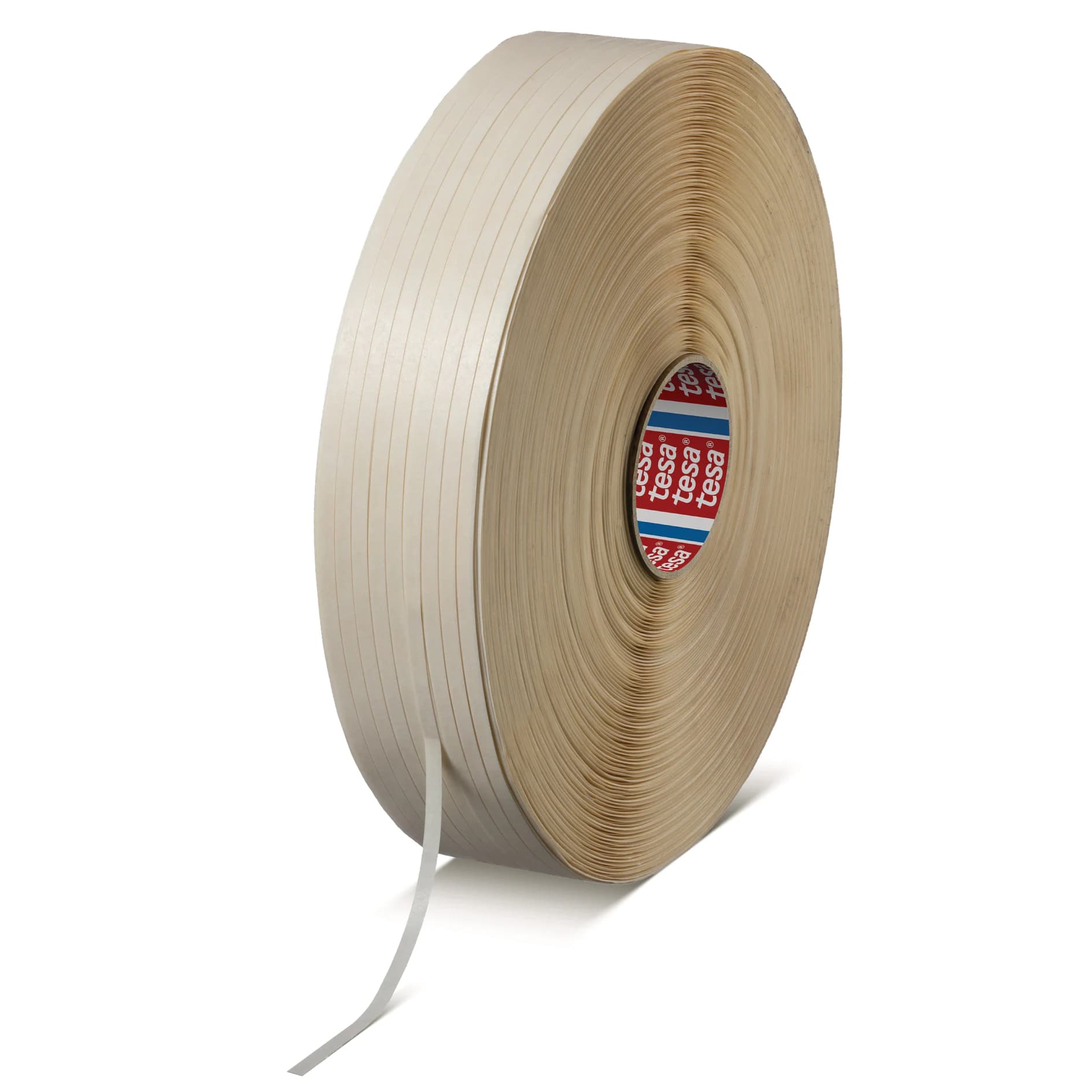
Estimated$15 – $35
Norton Premium Fine Line tape leverages the brand's industrial expertise to deliver robust adhesive performance, tear resistance and consistent clean removal in production painting environments. Compared with vinyl 471 and the premium fine-line products from 3M and Tesa, Norton positions itself as a mid-to-high-end commercial option that balances durability and predictable per-unit cost for heavy-use automotive and industrial masking applications.
Show More Precision Edge Masking Tape for Automotive and Industrial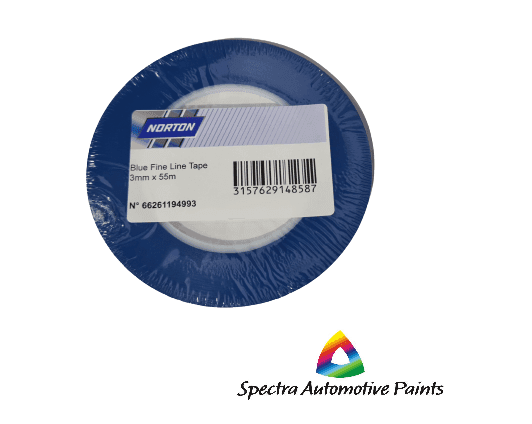
We may earn a commission on purchases. It never affects our rankings.
$13.99CAD
FrogTape Multi-Surface Painting Tape
FrogTape Multi-Surface stands out for paint-edge control with its PaintBlock technology and easy handling, offering excellent conformability for detailed masking and small-to-medium jobs in automotive touch-up and workshop repairs. While it is generally more consumer- and contractor-oriented than the heavy-duty industrial tapes listed here, it provides cost-effective precision where extreme temperature or industrial solvent resistance is not required.
Show More Conformable Masking Tape for Automotive and Industrial
Estimated$6 – $15
Shurtape CP 105 General Purpose Masking Tape
Shurtape CP 105 is a cost-effective, easy-tear general-purpose tape built for everyday automotive and industrial masking where moderate adhesion and clean removal are required. It doesn't match the oven-bake or extended-hold performance of premium tapes like 3M or IPG, but its lower unit cost and reliable performance make it the practical choice for large-volume preparatory work and non-critical masking that prioritizes budget.
Show More Removable Masking Tape for Automotive and Industrial
FBS ProBand Fine Line Tape is a specialty fine-line solution tailored for precision trim and glass work, with an ultra-thin backing that produces razor-sharp paint lines on curved surfaces and mouldings. While it does not match the high-heat holding of 3M 233+ or the heavy-duty tack of Norton, its technical advantage lies in detail work and lower material waste for low-volume, high-precision applications, which can be more economical for custom shops.
Show More Glass and Trim Masking Tape for Automotive and Industrial
How the technology works: research and standards behind masking tape performance
Masking tape performance is driven by adhesive chemistry, backing material, and formulation for temperature and solvent exposure. Research and industry testing focus on peel adhesion, shear strength, thermal stability, and residue after removal. Acrylic adhesives are commonly used for long-term adhesion and solvent resistance, while silicone adhesives provide superior high-temperature performance for powder coating and paint-bake cycles. Backings such as crepe paper, polyester films, or polyimide influence conformability and edge definition. Standardized tests (for example, peel adhesion and temperature exposure protocols) help manufacturers and buyers compare products on consistent metrics. Studies and lab reports show that correct tape selection tailored to the coating process and substrate reduces edge bleed, minimizes rework, and improves overall finish quality.
Adhesive types: Acrylic adhesives offer good solvent resistance and low residue; silicone adhesives perform best at elevated temperatures (bake cycles).
Key metrics: Peel adhesion, shear strength, and thermal aging tests predict in-line performance and clean removal.
Edge control: Film-backed tapes or precision crepe papers produce sharper paint lines and less bleed-through than generic masking tape.
Solvent and chemical resistance: Tapes formulated for powder coating and automotive paints resist common solvents and cleaners used in body shops.
Environmental trends: New formulations aim to reduce VOCs and offer recyclable or lower-carbon components without sacrificing performance.
Standards and testing: Manufacturers provide lab data based on established protocols so shops can match tapes to process temperatures and dwell times.
Frequently Asked Questions
Which tape should I buy for industrial paint lines?
Choose IPG ProMask Blue with BLOC-It for high-throughput industrial lines, since its BLOC-It adhesive formulation improves hold on rough, textured, or weathered panels and its blue coated backing resists UV and short-term outdoor exposure; rating 4.3.
Does Tesa 4174 PV1 handle high heat and solvents?
Yes—Tesa 4174 PV1 is designed with high-temperature and solvent resistance plus fine edge control, using a specialized backing for crisp edge definition and consistent adhesive performance; average rating 4.7.
How does IPG ProMask Blue price compare to Tesa 4174 PV1?
The provided data doesn’t list any prices, so I can’t compare cost between IPG ProMask Blue with BLOC-It and Tesa 4174 PV1 Fine Line Tape; what’s available is their average ratings: 4.3 vs 4.7.
Is IPG PG505 better for bake cycles and clean removal?
IPG PG505 is optimized for assembly and bake cycles, with strong shear holding and clean removal after extended oven exposure; key features include high durability and resistance to tearing, and its average rating is 4.5.
Conclusion
In Canada, the right masking tape makes paint lines, powder coating, and surface protection faster, cleaner, and more reliable. We hope this guide helped you find a top option for your automotive or industrial needs in 2026. If you want to refine results by temperature range, adhesive type, substrate, or sustainability, use the search to narrow or expand your options.