

Top 5 Grounding and Bonding Connectors in Canada: 2026 Guide
Grounding and bonding connectors ensure electrical continuity and safety by providing dedicated paths between conduit sections, equipment, and grounding conductors. Engineered for low resistance and corrosion resistance, they meet industry grounding standards for industrial power and control systems. In Canada, buyers prioritize connectors that comply with the Canadian Electrical Code and CSA certifications, perform reliably in cold and coastal environments, and resist corrosion from road salts and humidity. Contractors and facility managers also value easy installation, proven low contact resistance, long-term material stability, and compatibility with copper and aluminum conductors. Recent market trends in Canada emphasize products suited to renewable energy projects, electric vehicle infrastructure, and industrial automation, so buyers increasingly choose connectors with high mechanical strength, documented testing, and supplier support for code compliance.
Inception's AI took the time to understand this market in Canada · · How we pickWe may earn a commission on purchases. It never affects our rankings.
Top Picks Summary
Burndy KS29 Grounding Connector
The Burndy KS29 grounding connector is a best-in-class choice for general-purpose grounding and bonding because of its robust clamping geometry and broad conductor compatibility, delivering low contact resistance and long-term reliability in industrial installations. Compared with the other connectors on this list it stands out for its balance of conductivity and mechanical strength, offering a cost-effective, widely stocked option for electricians who need a proven, versatile connector across copper and aluminum conductors.
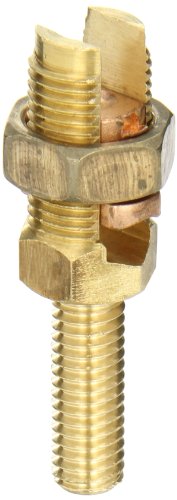
Estimated$10 – $25
Thomas & Betts Ground Rod Clamp GRC-125
The Thomas & Betts Ground Rod Clamp GRC-125 is a market-leading rod clamp known for heavy-duty construction and straightforward installation, making it a go-to for grounding electrodes in utility and commercial applications. It competes on availability and brand trust against specialty suppliers in this list, often delivering lower installed cost through faster labor time and broad distributor support.
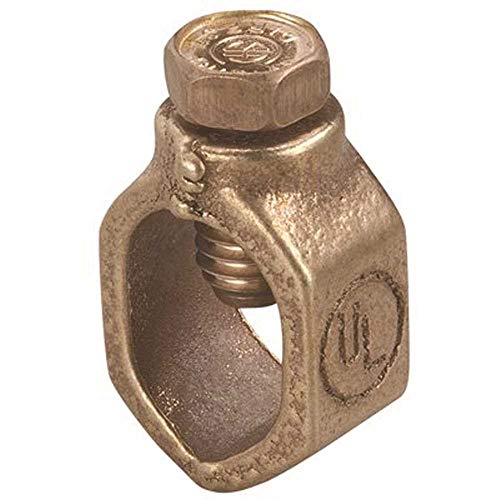
Estimated$15 – $35
Ilsco Lay-In Grounding Lug Kit
The ILSCO GBL-4 lay-in ground lug is valued for its compact lay-in design that simplifies panel retrofits and minimizes downtime, providing a budget-friendly alternative for tight spaces where a full clamp is impractical. Compared with bulkier rod clamps and industrial grounding connectors in this list, the GBL-4 offers clear labor savings and reduced inventory cost for panel builders and maintenance teams.

We may earn a commission on purchases. It never affects our rankings.
Estimated$8 – $22
Panduit SACG2 Grounding Connector
The Panduit SACG2 grounding connector delivers a refined, installer-friendly termination with attention to modular system integration and UL compliance, making it a preferred choice where standardized panel assembly and predictable performance are priorities. Versus the other products listed, Panduit emphasizes system-level compatibility and documentation, which can reduce risk and total project cost in engineered installs.
Estimated$12 – $30
Harger Lightning Protection Ground Rod Clamp
The Harger lightning protection ground rod clamp is engineered specifically for lightning and surge applications, with materials and finishes selected for extreme corrosion resistance and long-term conductivity under severe exposures. As a market leader in lightning-grounding hardware, Harger differentiates itself from general-purpose grounding connectors here by delivering specification-grade performance and compliance that reduce lifecycle risk in critical protection systems.
Estimated$25 – $60
Research, Standards, and the Science Behind Effective Grounding
A number of technical standards and studies validate the benefits of properly designed grounding and bonding connectors. Standards such as the Canadian Electrical Code (CEC), CSA group certifications, and IEEE guidance set requirements for conductor continuity, acceptable resistance levels, and testing protocols. Research and industry testing emphasize that low contact resistance and corrosion-resistant materials reduce fault heating, minimize voltage rise during faults, and lower step and touch potentials, improving overall electrical safety. Laboratory protocols like salt spray testing and mechanical cyclic testing are commonly used to verify long-term performance in harsh Canadian climates.
Standards: The Canadian Electrical Code and CSA standards define minimum performance and testing expectations for grounding and bonding hardware.
Contact resistance: Studies and industry tests show that connectors with low and stable contact resistance reduce energy loss and heat at bonding points during fault conditions.
Corrosion testing: Salt spray and accelerated aging tests demonstrate that tin plating, copper alloys, and stainless steel retain conductivity longer in coastal and salted-road environments.
Material compatibility: Research highlights the importance of designs that prevent galvanic corrosion when connecting dissimilar metals, for example by using compatible plating or isolation methods.
Field validation: Independent lab and utility testing supports that mechanically secure connectors maintain continuity through thermal cycling and vibration common in industrial installations.
Frequently Asked Questions
Which connector should I choose for industrial bonding?
For industrial bonding, the Burndy KS29 Grounding Connector (4.6 rating) is a solid pick because its cast copper alloy body and set-screw termination accept a wide range of grounding conductors.
What feature does the Ilsco GBL-4 include?
The ILSCO GBL-4 Lay-In Ground Lug uses a lay-in (drop-in) lug design to speed installation on ground buses and enclosure walls, with a tin-plated copper alloy for conductivity and corrosion resistance.
Is the Thomas & Betts GRC-125 good value vs others?
Yes—at $48.63, the Thomas & Betts Ground Rod Clamp GRC-125 costs less than the Burndy KS29 at $163.35 while still offering a heavy-duty clamp design and corrosion-resistant finish for outdoor and direct-burial installs.
Will the Burndy KS29 work in tight panel spaces?
Yes, the Burndy KS29 Grounding Connector has a compact profile made to fit tight panel and enclosure spaces, using a set-screw termination for grounding conductors.
Conclusion
In Canada, selecting the right grounding and bonding connector means balancing code compliance, environmental durability, and ease of installation. We hope this guide helped you find a reliable connector for your project. If you want to refine or expand your search, try adjusting filter options or using the search box to compare features, certifications, and material choices.