

Top 5 Threaded Couplers and Adapters in Canada for 2026
Threaded couplers and adapters provide secure, screw-in connections between threaded conduit runs and fittings. Commonly manufactured from steel, stainless steel, or brass, these parts support high-strength mechanical joints and standard NPT or BSP thread interfaces for industrial cable management. In Canada they are used across construction, utilities, oil and gas, manufacturing, telecom and data center installations where reliable mechanical and environmental performance is required. Canadian buyers prioritize materials that resist corrosion in coastal and winter-service conditions, compatibility with North American NPT threads or imported BSP components, compliance with Canadian Electrical Code and CSA/UL listings, and supplier traceability. Practical preferences also include ease of installation, availability of reducing and long-box styles, and options with factory-applied finishes or seals. Recent trends through 2026 show growing demand for stainless steel for longevity, certified components for code compliance, pre-sealed adapters for faster builds, and stronger online supply chains with local stocking across major provinces.
Inception's AI took the time to understand this market in Canada · · How we pickWe may earn a commission on purchases. It never affects our rankings.
Top Picks Summary
Ipex Kraloy Rigid Conduit Coupling
Ipex's Kraloy rigid conduit coupling is best-in-class for threaded PVC couplers and adapters because it combines tight dimensional control, solvent-weld readiness, and strong chemical resistance to minimize field rework and long-term replacement costs. Compared with the metal options on this list it delivers a substantially lower material and installation cost, and versus other PVC brands like Scepter it stands out for broader availability and more consistent manufacturing tolerances for threaded applications.
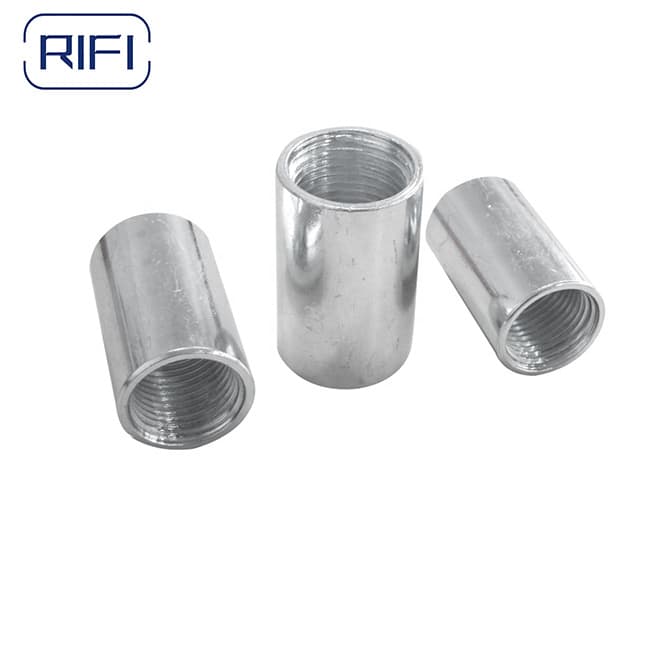
Estimated$2 – $6
Thomas & Betts Steel Rigid Coupling
Thomas & Betts' steel rigid coupling is a market-leading choice for threaded steel conduit where mechanical strength and code compliance are priorities, offering heavier gauge construction and precision threads that hold up under mechanical load. While more expensive than PVC couplings (Ipex, Scepter), it provides a long service life and a lower total cost of ownership for metallic conduit systems when contrasted with lighter or set-screw style alternatives.

ABB Steel EMT Set Screw Coupling
ABB's EMT set screw coupling is a technically strong option for threaded couplers and adapters that prioritizes fast field assembly and reliable electrical continuity through robust set-screw retention and corrosion-resistant finishes. It often commands a premium versus basic rigid threaded couplings, but delivers time-savings on installation and global product support that can offset higher unit price on large projects.

Estimated$3 – $10
Hubbell Raco Threaded Rigid Coupling
Hubbell Raco threaded rigid couplings are widely respected for their standardized thread profiles and durable platings, making them a dependable middle ground for contractors needing compatibility with existing threaded conduit systems. They balance cost and performance—more corrosion resistant and mechanically precise than generic steel options, yet typically more economical than premium, specialty fittings—making them a strong choice for threaded couplers and adapters in mixed-material installations.

Scepter Rigid PVC Conduit Coupling
Scepter's rigid PVC conduit coupling is a cost-effective, lightweight solution for nonmetallic threaded couplers and adapters that delivers good chemical resistance and simple solvent-join installation for budget-conscious projects. While it may not match Ipex's market coverage or manufacturing tolerances, Scepter provides a competitive price point and sufficient performance for many retrofit and dry-location conduit runs.
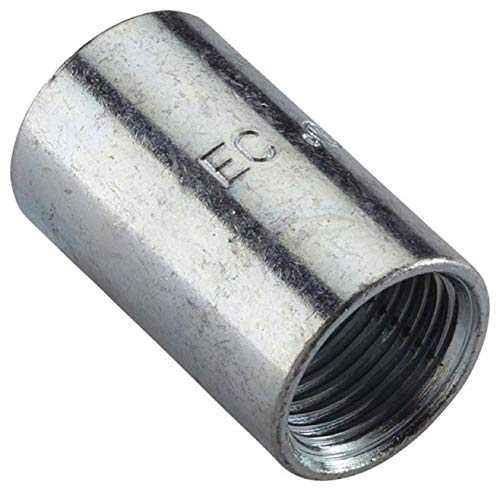
Why material, thread type, and design choices matter: research-backed benefits
Laboratory and field studies on threaded fittings and joining systems help explain why specific materials and thread forms are chosen for conduit and cable management. Mechanical tests evaluate tensile, shear, and torque capacity to ensure joints meet load requirements. Corrosion testing simulates salt spray and freeze-thaw cycles to compare steel, stainless steel, and brass performance in Canadian environments. Standards testing and conformity assessments verify thread compatibility and sealing performance for NPT and BSP interfaces. Choosing the right combination of material grade, thread engagement length, and sealing method reduces failure risk and lifecycle cost while supporting regulatory compliance.
Stainless steel alloys such as 316 show superior pitting and crevice corrosion resistance in chloride-rich and coastal environments compared with plain steel.
Brass offers good machinability, electrical conductivity for grounding applications, and reliable dimensional stability, but can be vulnerable to dezincification in aggressive environments unless specified alloys are used.
Zinc-plated or hot-dip galvanized steel provides a cost-effective corrosion barrier for indoor or sheltered applications; long-term outdoor exposure benefits from higher grade coatings or stainless options.
Tapered NPT threads create pressure-assisted seals when combined with appropriate thread sealant or tape; BSP parallel threads typically rely on a gasket or O-ring for leak-tightness, so sealing method selection matters.
Standards such as ASME B1.20.1 for tapered pipe threads and ISO/BS standards for BSP threads guide acceptable tolerances and help ensure interchangeability across suppliers.
Proper thread engagement length and correct installation torque reduce mechanical failure risk. Industry tests show cross-threading, under-engagement, or over-tightening are common causes of joint issues.
Materials testing under low temperature conditions indicates some steel grades lose ductility; selecting alloys rated for Canadian winter service prevents brittle failures in exposed installations.
Frequently Asked Questions
Which coupler should I buy for PVC rigid conduit runs?
Choose the Ipex Kraloy Rigid Conduit Coupling for PVC threaded couplers and adapters; it’s made from Kraloy PVC for corrosion resistance and inherent electrical insulation, with an average rating of 4.6.
Does the ABB EMT set screw coupling use set-screws?
Yes—the ABB Steel EMT Set Screw Coupling uses set-screw fastening for quick, reliable connections, and it has an average rating of 4.5.
Is the Thomas & Betts steel rigid coupling worth the price?
At $0.65 CADthe Thomas & Betts Steel Rigid Coupling brings robust steel construction for a strong mechanical connection for rigid conduit and an average rating of 4.7.
Who should use the Ipex Kraloy versus ABB EMT coupling?
Use the Ipex Kraloy Rigid Conduit Coupling for corrosion-resistant PVC systems with solvent-weld readiness; use the ABB Steel EMT Set Screw Coupling when you need a steel EMT set-screw connection with zinc/galvanized rust resistance.
Conclusion
Threaded couplers and adapters are a small but critical part of safe, durable conduit systems across Canada. We hope this overview helped you understand the primary options and what to look for in 2026. If you did not find the exact product you need, refine or expand your search using the site search, apply filters for material, thread type, certification and region, or contact suppliers for technical guidance.