

Top 5 Oil Resistant Control Cables for Factory Machinery in Canada — 2026
Oil resistant control cables are engineered for factory machinery that routinely contacts lubricants, fuels, hydraulic fluids and other industrial chemicals. These cables use specialized jacket compounds and construction techniques to resist swelling, cracking and loss of flexibility after oil exposure, while maintaining electrical and mechanical performance in conveyors, packaging lines, CNC centers, robotic arms and mobile hydraulic equipment. In Canada buyers prioritize oil resistance plus cold-temperature flexibility, CSA and UL compliance, abrasion resistance for cable carriers, and long service life to reduce maintenance in remote or high-downtime facilities. Cost and local availability matter, but so do environmental and safety trends: halogen-free formulations, low smoke and flame-retardant ratings, and materials that support predictive maintenance programs are increasingly important across manufacturing and processing sectors.
Inception's AI took the time to understand this market in Canada · · How we pickWe may earn a commission on purchases. It never affects our rankings.
Top Picks Summary
Lapp ÖLFLEX Classic 110
LAPP's ÖLFLEX Classic 110 remains a top choice for oil resistant control cables in factory machinery because it balances reliable oil and mechanical resistance with broad availability and competitive pricing. Compared with niche high-flex or premium signal cables on this list, ÖLFLEX offers a strong all-around performance and lower installed-cost per meter for fixed and limited-move control runs, making it a practical first choice for many plant wiring projects.

Estimated$200 – $450
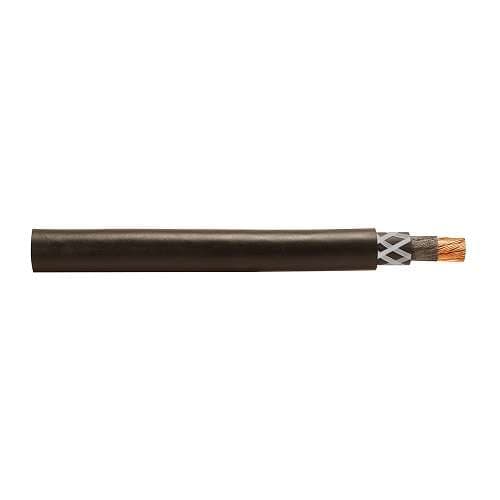
Belden 29500 Oil-Resistant Control Cable
Belden 29500 is positioned as a market leader due to its robust construction, predictable electrical performance, and brand reputation for industrial signal integrity under oil-contaminated conditions. Versus the more flexibility-optimized or budget-focused alternatives here, Belden typically commands a premium but delivers superior consistency for critical control circuits where stable impedance, shielding and long-term reliability justify the higher upfront cost.
Estimated$150 – $350
Alpha Wire Xtra-Guard 2 Oil-Resistant Cable
Alpha Wire Xtra-Guard 2 stands out for enhanced oil and chemical resistance combined with fine-stranded conductors for improved flexibility, making it a strong choice where both chemical exposure and routing tight bend radii are concerns. Compared to heavier-jacketed or less flexible options in this list, Xtra-Guard 2 can reduce installation labor and downtime in retrofits or compact control panels, offering a favorable total-cost-of-ownership when movement or chemical exposure shortens other cables' service life.

Estimated$180 – $360
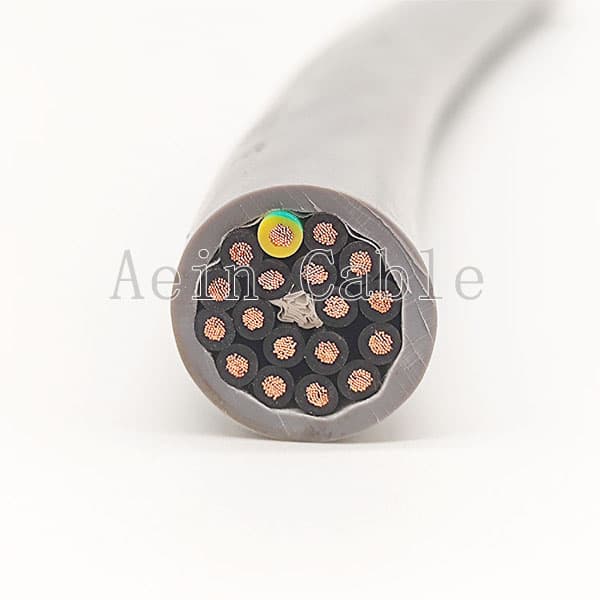
igus Chainflex CF5 Oil-Resistant Cable
igus Chainflex CF5 is engineered specifically for continuous-flex and cable carrier applications, delivering exceptional fatigue life and oil resistance for moving machine axes that would quickly wear standard control cables. In contrast to fixed-install or budget-oriented cables here, CF5 typically costs more per meter but dramatically reduces replacement frequency and machine downtime in dynamic applications, making it the financially smarter option for automated production lines using energy chains.
Estimated$400 – $900
TPC Wire & Cable Super-Trex Oil-Resistant Control Cable
TPC Super-Trex is a cost-conscious oil-resistant control cable designed to offer durable abrasion and oil protection with attractive pricing for large-volume factory deployments. While it may not match the specialized flex-life of igus or the premium electrical pedigree of Belden, Super-Trex delivers strong value for static or light-motion control runs and is often selected to reduce material spend on extensive plant-wide wiring projects without sacrificing basic oil resistance.

Estimated$220 – $500
What research and standards say about oil resistant control cables
Scientific testing and industry standards show that oil resistance, low-temperature flexibility and mechanical endurance are controlled by jacket material selection and cable construction. Laboratory oil-immersion tests, abrasion tests and dynamic flex testing help predict in-service performance. Standards and vendor data give objective comparisons so specifiers choose cables suited to static installations, occasional flex, or continuous flex in energy chains.
Oil compatibility testing: ASTM D471 and similar oil-immersion tests measure weight change and property loss after exposure to typical lubricant and hydraulic fluids; cables formulated with polyurethane or specially compounded PVC tend to show lower swelling and better retention of mechanical properties.
Dynamic flex endurance: Continuous-flex cables are validated by repeated bending tests (for example simulated drag chain cycles) to ensure long life in moving applications; products designed for energy-chain use report orders-of-magnitude longer cycle life than standard control cables.
Low-temperature performance: Additives and polymer selection determine flexibility at Canadian winter temperatures; materials like thermoplastic polyurethane (PUR) and certain elastomers keep flexibility at subzero conditions while resisting oil-induced embrittlement.
Abrasion and mechanical protection: ISO 4649 and industry abrasion tests show that tougher jacket compounds significantly reduce wear in cable carriers and exposed machine environments, lowering replacement frequency and downtime.
Safety and environmental standards: CSA C22.2, UL listings, and halogen-free/low-smoke certifications reduce fire and toxicity risk; these standards also simplify compliance for Canadian factories and industrial integrators.
Frequently Asked Questions
Which oil resistant control cable should I buy for conveyors?
Lapp ÖLFLEX Classic 110 is a strong choice for conveyors because it uses a robust PVC jacket formulated for oil resistance and mechanical stress, with fine‑stranded copper conductors for high flexibility in control circuits, and it’s rated 4.7.
Does the Alpha Wire Xtra-Guard 2 resist chemicals and oils?
Yes—Alpha Wire Xtra-Guard 2 uses an enhanced jacket compound for superior oil and chemical resistance versus standard PVC, with fine‑stranded conductors for improved flexibility, rated 4.5, and it’s offered with optional tinned drain wire and shielding.
How does Belden 29500 compare on price and value?
Price data isn’t provided for Belden 29500 Oil-Resistant Control Cable, but it’s rated 4.6 and includes an oil‑resistant PVC jacket for industrial oils and lubricants, plus multiple conductor counts and sizes for common factory control needs.
Is Lapp ÖLFLEX Classic 110 fixed or limited-flex suitable?
Lapp ÖLFLEX Classic 110 is suitable for fixed and limited‑flex applications, thanks to its robust PVC jacket for oil resistance and mechanical stress; it uses fine‑stranded copper conductors for control-circuit flexibility, has rating 4.7, and warranty duration isn’t provided.
Conclusion
In Canada, choosing the right oil resistant control cable means balancing oil and chemical resistance, cold-weather flexibility, and the mechanical demands of your machinery. The top five picks on this page cover the main needs: Lapp ÖLFLEX Classic 110 for broad industrial use and strong overall value, Belden 29500 Oil-Resistant Control Cable for proven durability in fixed and light-flex installations, Alpha Wire Xtra-Guard 2 Oil-Resistant Cable for compact, high-performance runs, igus Chainflex CF5 Oil-Resistant Cable for demanding continuous-flex and energy-chain applications, and TPC Wire & Cable Super-Trex Oil-Resistant Control Cable for heavy-duty rugged installations. For most general factory applications in Canada the best overall choice is the Lapp ÖLFLEX Classic 110 because of its balance of oil resistance, low-temperature flexibility and availability. We hope you found what you were looking for; you can refine or expand your search using the search box to filter by certification, flex rating, jacket material or distributor availability.