

Top 5 Chemical Anchors in Canada for 2026: Best Epoxy and Injection Systems
Published on Saturday, January 24, 2026
Chemical anchors use epoxy or polyester resins to bond threaded rods or rebar to base materials, delivering superior load capacity and crack resistance. They are ideal for high-load, cracked concrete, seismic retrofits, and long-term structural connections. In Canada, demand for chemical anchors has grown with increased renovation activity, stricter seismic and building code awareness in regions like British Columbia, and a push for durable, long-lasting connections in commercial and infrastructure projects. Consumers and contractors choose chemical anchors for predictable performance in cracked concrete, the ability to retrofit into existing structures, long-term corrosion resistance when paired with proper rebar or rod coatings, and the flexibility of injectable systems for irregular holes or congested rebar. Key purchase drivers are verified load ratings, low-temperature cure performance for cold Canadian winters, ease of installation and cleanup, product shelf life, and manufacturer technical support and test documentation.
Top Picks Summary
Hilti HIT-HY 200-A V3 Injectable Adhesive Anchor
Hilti's HIT-HY 200-A V3 is widely regarded as best-in-class for chemical anchors because of its exceptionally high approved loading capacities, broad international approvals, and proven performance in wet, cracked and seismic applications. It commands a premium price but offers demonstrable lifecycle savings through reduced conservative derating and extensive engineering documentation, making it a stronger choice than budget alternatives when project risk and long-term performance matter.

Simpson Strong-Tie SET-3G Epoxy Anchoring Adhesive
Simpson Strong-Tie SET-3G is a market-leading, widely available epoxy anchoring system favored for its solid balance of performance, code approvals and competitive pricing for North American projects. It offers reliable high-strength anchorage and rapid logistics compared with some European specialty systems, providing a cost-efficient alternative to premium brands like Hilti while maintaining compatibility with many common fastener types and design practices.

Red Head Epcon G5 Epoxy Anchoring System
Red Head Epcon G5 is known for chemical resistance and high bond strength across a range of base materials, making it a durable choice for corrosive or industrial environments where chemical anchors are required. It typically undercuts premium options on price while delivering performance comparable to market leaders, so it is often selected where robustness and cost control are both priorities.
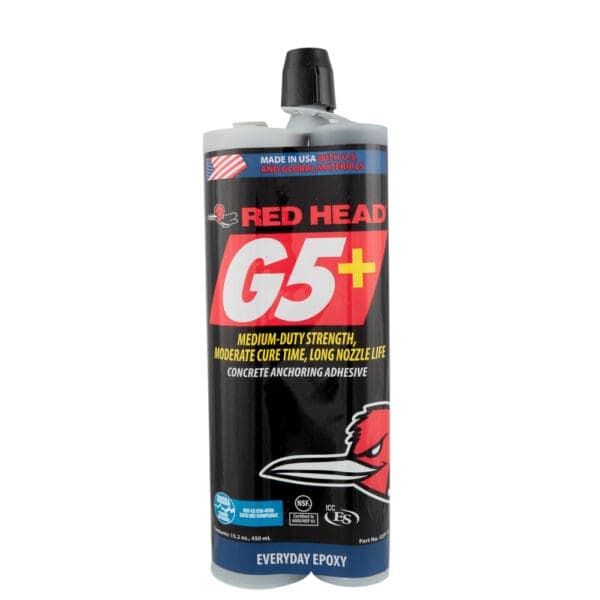
Where to buy Red Head Epcon G5 Epoxy Anchoring System in Canada: the trusted retailers we track in this market, with the best price we have observed at each. Prices are checked regularly and can change, and the retailer confirms the final price at checkout.
We may earn a commission on purchases. It never affects our rankings.
$140 – $220
Ramset Epcon C6 Plus Anchoring Adhesive
Ramset Epcon C6 Plus positions itself as a fast-curing, cold-weather-capable anchoring adhesive that reduces downtime on schedule-sensitive jobs and performs reliably in masonry and concrete. Its technical advantage is rapid handling strength and practical field usability, offering a value-oriented solution relative to higher-cost systems like Hilti while still meeting many common structural and seismic approval needs.
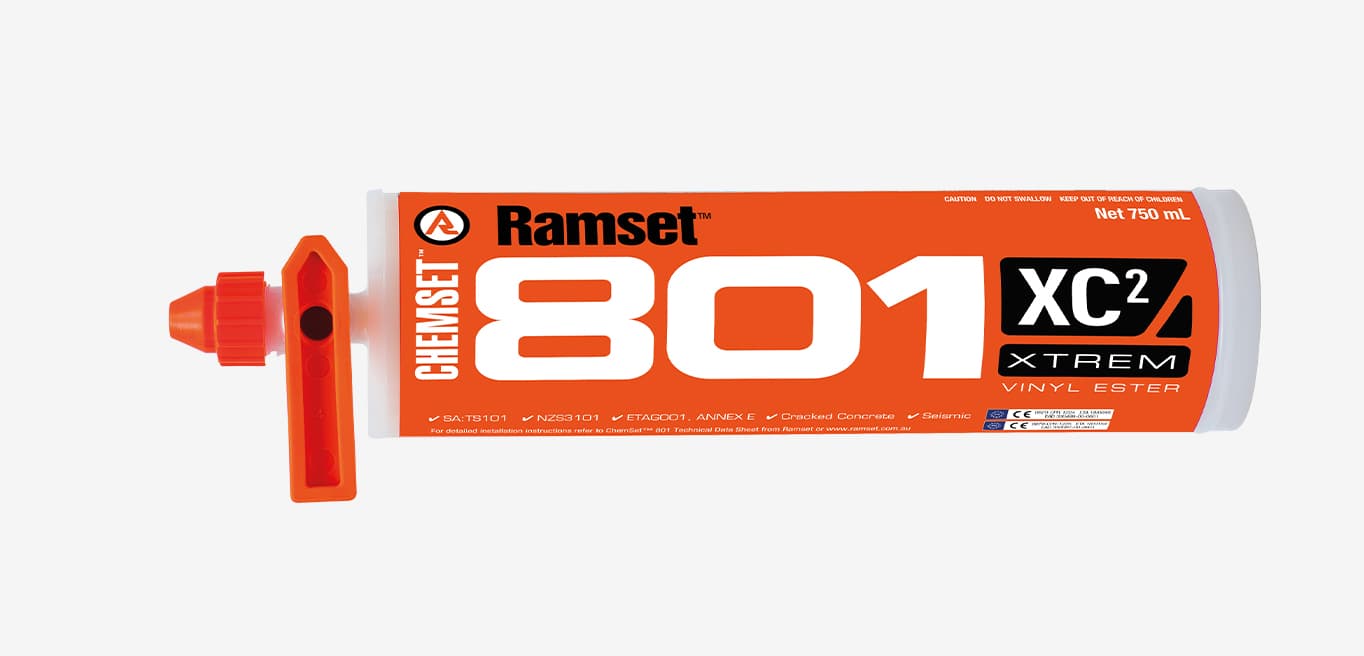
Where to buy Ramset Epcon C6 Plus Anchoring Adhesive in Canada: the trusted retailers we track in this market, with the best price we have observed at each. Prices are checked regularly and can change, and the retailer confirms the final price at checkout.
We may earn a commission on purchases. It never affects our rankings.
$110 – $180
Fischer FIS EM Plus Injection Mortar
Fischer FIS EM Plus is a German-engineered injectable mortar prized for consistent performance in cracked concrete and masonry, excellent shelf life and straightforward dosing for variable hole conditions. It competes strongly on total installed cost for large-volume projects and brings European ETAs and technical support that make it a reliable, cost-conscious alternative to both premium and regional chemical anchor products.

Where to buy Fischer FIS EM Plus Injection Mortar in Canada: the trusted retailers we track in this market, with the best price we have observed at each. Prices are checked regularly and can change, and the retailer confirms the final price at checkout.
We may earn a commission on purchases. It never affects our rankings.
$130 – $200
What Research and Testing Say About Chemical Anchors
Laboratory studies and industry testing consistently show that properly specified and installed chemical anchors provide higher design capacities and more reliable performance in cracked concrete than many mechanical anchors. Research has focused on adhesive formulation, injection mortar vs capsule systems, the effects of temperature and humidity on cure, and seismic performance under cyclic loading. Engineers rely on standardized tests and published load values to select anchors for structural and seismic applications. Practical studies also emphasize the importance of correct hole preparation, hole diameter and depth, cure time, and compatibility between adhesive and substrate for achieving rated strengths.
Epoxy adhesives typically deliver higher bond strength and better long-term durability than polyester resins, especially in structural and cracked-concrete applications.
Injection mortars offer more consistent distribution and better performance in deep or irregular holes compared with capsule systems, according to comparative lab tests.
Temperature has a strong effect on cure time and early strength. Cold-weather formulations or heated cure protocols are often required for reliable winter installations in Canada.
Proper hole cleaning (brushing and blowing) and correct rod insertion procedure are repeatedly identified as critical installation steps that affect ultimate capacity.
Seismic and cyclic-load tests show that chemical anchors, when selected and installed per manufacturer guidelines and applicable codes, can provide reliable performance for retrofit and new construction.
Frequently Asked Questions
Which chemical anchor should I choose for cracked concrete?
Choose the Hilti HIT-HY 200-A V3 Injectable Adhesive Anchor if you need strong performance in wet, cracked and seismic applications; it has an average rating of 4.8 and costs CA$167.26.
What is the key feature of Simpson Strong-Tie SET-3G epoxy?
Simpson Strong-Tie SET-3G High-Strength Epoxy is a high-strength epoxy formulated for heavy-duty anchors, dowels, and threaded rods, with an average rating of 4.6 and a CA$44 listing price.
Is Simpson Strong-Tie SET-3G worth it versus Hilti HIT-HY 200-A V3?
Simpson Strong-Tie SET-3G costs CA$44 versus CA$167.26 for Hilti HIT-HY 200-A V3, while both are high-strength epoxy/injectable anchor systems; SET-3G has a 4.6 rating and HIT-HY 200-A V3 has a 4.8 rating.
Does Red Head Epcon G5 tolerate damp holes for bonding?
Yes—Red Head Epcon G5 Epoxy Anchoring System has formulations tolerant of damp hole conditions, and it’s rated 4.5 on average; the listing price isn’t provided and warranty duration isn’t specified.
Conclusion
Chemical anchors are a go-to solution in Canada for demanding anchoring tasks where strength, crack resistance, and long-term reliability matter. The five leading options featured here — Hilti HIT-HY 200-A V3 Injectable Adhesive Anchor, Simpson Strong-Tie SET-3G High-Strength Epoxy, Red Head Epcon G5 Epoxy Anchoring System, Ramset Epcon C6 Plus Anchoring Adhesive, and Fischer FIS EM Plus Injection Mortar — each target slightly different needs from rapid cure or cold-weather performance to injection mortar consistency. For most contractors and engineers seeking the best balance of documented performance, cold-weather capability, and broad application support, the Hilti HIT-HY 200-A V3 Injectable Adhesive Anchor is often the top choice on this list. I hope you found the information you were looking for; use the site search to refine by application, temperature rating, cartridge or capsule type, or expand your search to compare datasheets and code reports.