Top 7 Mechanical Anchors in Canada for 2026
Published on Saturday, January 24, 2026
Mechanical anchors transfer loads to base materials using expansion, deformation, or interlock. Common types include wedge anchors, sleeve anchors, and drop-in anchors. This category focuses on heavy-duty anchors optimized for concrete, masonry, and seismic applications, offering high pull-out strength and fast installation. In Canada the category is especially appealing because contractors, structural engineers, and building owners need reliable products that meet National Building Code requirements, resist freeze-thaw cycles and coastal corrosion, and perform in seismic zones such as British Columbia. Buyers in Canadian markets tend to favor anchors with clear load tables, third-party evaluations or acceptance reports, corrosion-resistant finishes like stainless steel or hot-dip galvanizing, and options that reduce installation time on busy job sites. Availability through national distributors and local suppliers, compatibility with common base materials, and straightforward installation guidance also influence purchasing decisions.
Top Picks Summary
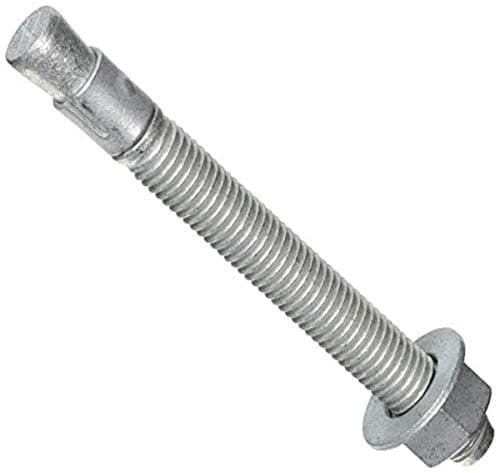
Simpson Strong-Tie's Wedge-All anchor is a widely available, well-documented option that offers reliable holding power and broad size availability, making it attractive for spec-driven industrial work and contractors who prioritize supply-chain familiarity. While it may not match the premium tolerances of Hilti or the specific value engineering of Red Head, its competitive pricing and extensive testing data make it a practical market leader for many industrial installations.
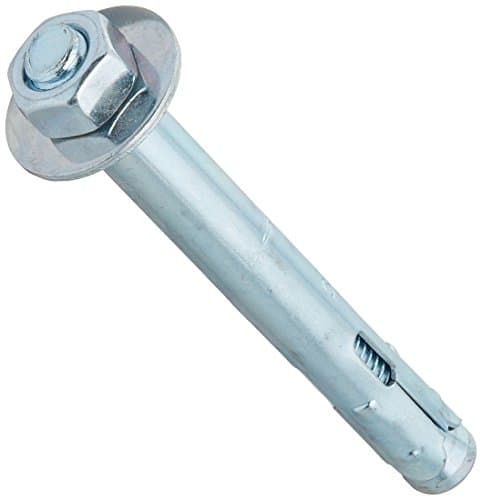
Red Head zinc-plated sleeve anchors are a market-leading, widely distributed choice for general industrial anchoring where cost-efficiency and broad availability matter most. They offer attractive unit pricing and strong shear performance for non-corrosive environments, making them a financially sensible alternative to premium options like the Hilti HSL-3, though they don’t match the same high-load ratings or corrosion resistance of stainless models.
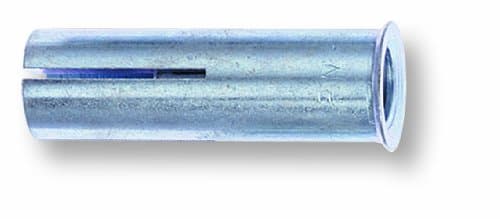
The Red Head Lipped Drop-In Anchor is a workhorse that balances cost and performance for industrial projects, offering a simple lipped sleeve design that speeds installation and improves setting consistency in overhead and through-fastening applications. It is typically more economical than premium brands while still providing reliable holding power for many industrial fixtures, making it attractive for large-volume procurement where certified high-capacity anchors are not required. Against the other products here, Red Head is notable for value and availability across distributors, though it may lack the extended certified load tables or specialized coatings of the market leaders.
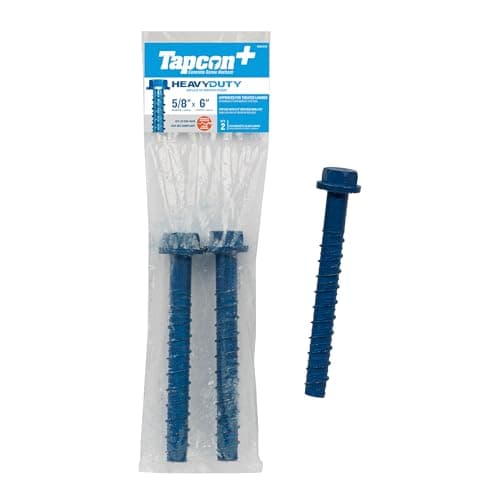
Tapcon Blue Climaseal anchors are a cost-effective, corrosion-resistant option tailored for industrial concrete screw applications, featuring a weather-resistant blue coating that extends service life in exposed environments. They deliver solid holding power for light- to medium-duty anchors and are typically much more economical than premium choices like Hilti HUS 3, though they do not match the highest load capacities of heavy-duty anchors such as Simpson Strong-Tie Titen HD.
The Ramset Drive Pin Anchor excels in high-volume industrial applications that demand rapid, tool-driven installation, offering competitive holding power with very fast cycle times. Its powder-actuated or high-energy tool requirement makes it faster and often more economical per installed fastener on large jobs than hand-installed anchors like Tapcon or Buildex Sammys, though it requires specific tooling and trained operators compared with passive systems such as the HPS-1.
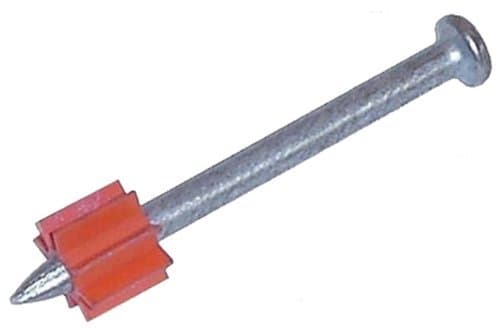
Powers Power‑Stud+ SD2 is a powder‑actuated stud anchor designed for extremely fast, high‑volume installation in production or field settings where installation speed and per‑unit cost dominate. Technically it sacrifices some of the universal certification and crack‑performance of engineered adhesive systems but can dramatically lower labor and cycle costs compared with epoxies or time‑consuming threaded anchors, making it a market leader when throughput and installing in solid concrete are the priority.
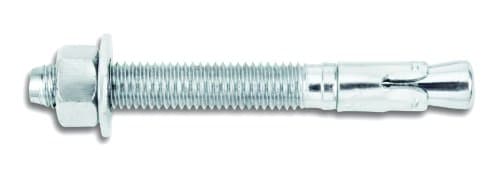
Powers Power-Stud SD1 is a performance-focused wedge anchor engineered to give reliable expansion with consistent setting characteristics, producing competitive load ratings close to premium anchors while often costing less. For industrial through-bolt jobs it represents a middle ground—near-Hilti performance in many applications but with better per-unit economics for large runs compared with the highest-end options.
Why mechanical anchors work: test methods and evidence
The benefits of mechanical anchors are supported by industry test standards and engineering research that measure pull-out capacity, shear strength, and performance under cyclic or seismic loading. Standardized laboratory tests and acceptance criteria give designers and installers predictable values to use in calculations and help ensure anchors perform reliably in field conditions. For non-specialists, the key takeaway is that properly selected and installed mechanical anchors transfer loads safely to concrete and masonry because they expand, deform, or interlock with the base material and are validated through repeatable test methods.
Tensile and shear testing. Bench tests (for example those following ASTM and CSA-related procedures) quantify maximum loads before failure and provide the characteristic values used in design.
Seismic and cyclic testing. Cyclic-load tests simulate repeated or earthquake loading to show how anchors behave under fluctuating stresses, which matters in high-seismic regions of Canada.
Edge distance and embedment depth studies. Research and manufacturer reports demonstrate that required embedment depth and spacing directly affect pull-out strength and failure modes, so following installation specs is critical.
Corrosion and durability testing. Salt spray and freeze-thaw evaluations indicate which materials and coatings will resist Canadian coastal and winter environments and maintain capacity over time.
Third-party evaluations. ICC-ES acceptance criteria and equivalent reports help validate manufacturer claims and make it easier for specifiers to include anchors in plans and permits.
Frequently Asked Questions
Which anchor should I pick for industrial concrete work?
Choose the Simpson Strong-Tie Wedge-All Anchor for industrial concrete work needing dependable holding power, forged and heat-treated components, and widely stocked sizes; it lists at $67.99 CAD with an average rating of 4.5.
What spec feature helps the Simpson Strong-Tie Wedge-All install?
Simpson Strong-Tie Wedge-All Anchor includes a hex nut and washer for secure, flush installation, and it’s an option with an average rating of 4.5; the listing price is $67.99 CAD.
How does Red Head Sleeve Anchor Zinc Plated compare price-wise?
Red Head Sleeve Anchor Zinc Plated costs $25.80 CAD, versus $25.80 CAD for the Simpson Strong-Tie Wedge-All Anchor, with both showing average ratings of 4.5; the sleeve anchor uses a simple sleeve expansion design.
Is the Red Head Lipped Drop-In Anchor corrosion-protected?
Red Head Lipped Drop-In Anchor is offered with zinc-plated and hot-dip galvanized coatings for enhanced corrosion resistance, has an average rating of 4.6, and lists at $103.46 CAD.
Conclusion
Mechanical anchors are a practical, well-tested solution for fastening into concrete and masonry across Canada, from commercial construction to infrastructure and seismic retrofits. We hope this guide helped you find the right anchor options for your project. Use the site search to refine by material, certification, finish, or installation method, or expand the search to view related categories such as adhesive anchors or seismic-rated systems.