

Top 5 Structural Screws in Canada for 2026: Best Load-Bearing Fasteners
Structural screws are high-strength fasteners engineered for load-bearing joins in timber, metal, and composite constructions as an alternative to bolts or heavy lag screws. In Canada these fasteners are widely used for heavy-duty framing, decks, infrastructure projects, and prefabricated modules because they meet industry expectations for shear and pullout performance while speeding installation and reducing labor. Canadian buyers favor screws that carry clear technical data and third-party evaluations, offer corrosion-resistant coatings for treated lumber and coastal exposure, comply with local building codes and CSA guidance, and are widely available through national distributors and pro dealers. For 2026 the market also reflects rising interest in stainless and advanced coated screws, compatibility with engineered wood products, and solutions that lower on-site labor and inspection time without sacrificing safety.
Inception's AI took the time to understand this market in Canada · · How we pickWe may earn a commission on purchases. It never affects our rankings.
Top Picks Summary
GRK RSS Rugged Structural Screws are engineered for heavy timber connector applications where high shear and withdrawal strength are required; their deep-thread, self-tapping design speeds installation and reduces the need for pre-drilling compared with traditional lag screws. They offer a strong cost-to-performance balance for contractors who need fast installation and reliable holding power, though they may not carry the same extensive published connector load tables and corrosion system options as some larger connector-focused brands.
Show More Timber Connector Screws
FastenMaster TimberLOK stands out as a market leader for heavy timber and joist connections thanks to its thick, engineered shank and large-diameter head that resist pull-through and deliver excellent shear strength for true lag-replacement applications. Compared to GRK RSS and other timber screws here, TimberLOK often provides higher single-screw capacity for large timbers at the expense of slightly slower installation and a higher per-piece price, making it a preferred choice when maximum holding power is required.
Show More Lag Replacement Screws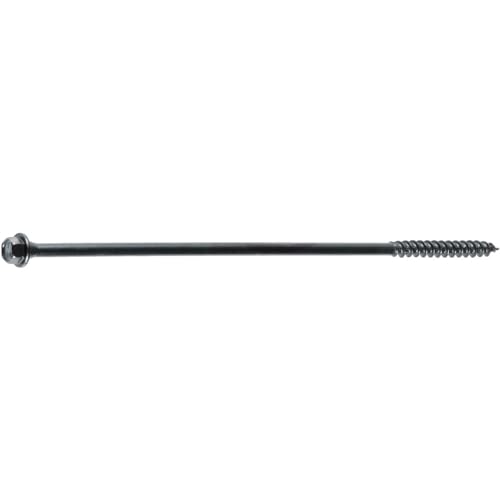
Buildex Teks Self-Drilling Screws are a widely used, value-conscious option for steel framing and metal-to-metal fastening, known for dependable TEKS points and economical packaging for large jobs. They typically deliver strong price-performance against competitors like Simpson and Grabber, providing a budget-friendly solution for contractors who need reliable penetration and acceptable corrosion protection without the higher capital outlay of premium brands.
Show More Steel Framing Screws
Estimated$30 – $120
Simpson Strong-Tie Strong-Drive SD Connector Screws are the market leader due to broad code approvals, extensive independent test data, and deep integration with connector hardware—providing trusted, specification-ready performance for structural deck framing. While typically priced higher than some coated options, their proven connector compatibility and engineering documentation reduce inspection and design friction on complex projects, which can lower overall project risk and soft costs. For builders who need certifiable load ratings and wide availability, Simpson remains the go-to choice despite a premium.
Show More Deck Framing Screws
Estimated$40 – $120
SPAX PowerLags Structural Lag Screws bring German engineering to shear connector screw use cases with aggressive thread geometry and high withdrawal resistance that speed installation and reduce labor costs. They typically install faster and with less specialized equipment than welded studs (Nelson, Hilti) and can be more economical than some premium screws for heavy timber-to-concrete connections, though they don’t match the absolute shear capacity of welded headed studs.
Show More Shear Connector Screws
What Research and Standards Say About Structural Screws
Structural screws are supported by a combination of laboratory testing, building code guidance, and industry standards. Tests done by university labs, independent test houses, and industry groups evaluate withdrawal resistance, shear strength, and long-term corrosion performance. In Canada, designers commonly refer to CSA guidance for wood engineering together with internationally recognized test methods and ICC or ASTM test protocols where applicable. For everyday decision making, product technical data sheets and evaluation reports are the best sources to compare allowable loads, required pilot holes, and recommended coatings.
Withdrawal and pullout resistance: Laboratory tests consistently show that modern thread designs provide higher withdrawal resistance per unit length than older coarse-thread lag screws, allowing shorter fasteners or fewer fasteners in some applications.
Shear capacity: Independent shear tests indicate many structural screws have shear performance comparable to bolts of similar diameter for common timber and composite connections when installed per manufacturer instructions.
Corrosion resistance: Research and field experience emphasize the importance of appropriate coatings or stainless steel for treated lumber and coastal environments. Hot-dip galvanizing, proprietary high-build coatings, and marine-grade stainless grades reduce long-term corrosion risk.
Compatibility with engineered wood: Studies and manufacturer evaluations confirm that screws designed for engineered products reduce splitting and provide predictable load values in glulam, LVL, and I-joist applications when installation guidelines are followed.
Standards and evaluation: Canadian designers reference CSA wood engineering guidance and often rely on ICC-ES evaluation reports and ASTM test methods for specific product performance characteristics. Checking third-party test reports is recommended.
Practical installation benefits: Controlled tests and field reports show faster installation and fewer crew members required for screw-based connections versus bolted assemblies, lowering project labor and inspection time when code allowances apply.
Conclusion
Structural screws offer a strong, code-aware, and time-saving fastening option for Canadian construction and outdoor projects in 2026. We hope this overview helped you understand why they are a preferred choice and pointed you toward the right options. If you want to refine or expand your search by application, coating, stainless grade, or load capacity, use the search filters or try different keywords to find product datasheets, third-party reports, and local suppliers.