

Top 5 Fuel Additives and Injector Lubricants for Industrial Diesel Engines in Canada: 2026
Fuel additives and injector lubricants for industrial diesel engines are specialized chemical formulations designed to improve cetane, restore lubricity lost to low sulfur diesel, clean and protect injectors, and control microbial growth in storage tanks. In Canada these products are essential for fleets, construction equipment, remote generators, and seasonal assets that face long storage intervals, cold climates, and increasing use of biodiesel blends. Buyers prioritize proven compatibility with ultra low sulfur diesel (ULSD) and common B-series blends, measurable lubricity improvement, injector deposit control, and cold-flow performance. They also value products backed by laboratory testing, OEM approvals or recommendations, and clear dosing guidelines to ensure fuel system reliability, stable combustion for emissions control, and protection against fuel degradation during extended storage.
Inception's AI took the time to understand this market in Canada · · How we pickWe may earn a commission on purchases. It never affects our rankings.
Top Picks Summary
Howes Diesel Treat
Howes Diesel Treat earns a best-in-class spot for industrial diesel use by offering a broad-spectrum fuel conditioner that disperses water, stabilizes stored fuel, and helps keep injectors free of varnish at a budget-friendly price. Compared with more specialized injector detergents in this list, Howes is a cost-effective preventive treatment for large fuel inventories and long-term storage, making it attractive to facilities that prioritize fleet uptime and lower per-liter additive cost. Its technical strength is simplicity and multi-purpose protection rather than aggressive deposit removal, so it pairs well with a periodic deep-cleaning product from the other brands.

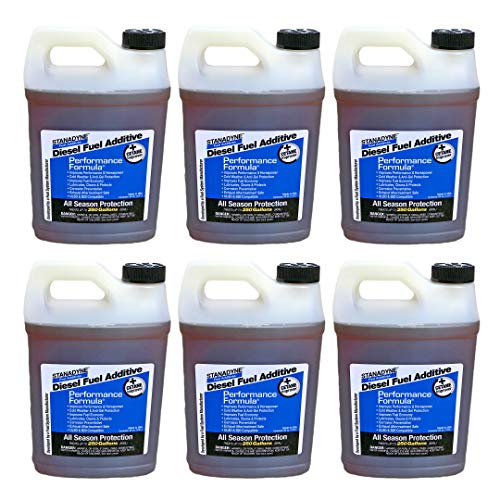
Stanadyne Diesel Fuel Additive
Stanadyne Performance Formula is positioned as a market leader for injector cleaning and fuel-system performance in modern high-pressure diesel engines, delivering engineered detergents that restore spray patterns and combustion efficiency. Technically superior for precision injector systems compared with broad-spectrum products here, Stanadyne commands a premium but can produce measurable fuel economy and emissions benefits that justify the higher upfront cost in heavy-use industrial applications. For fleet owners running common-rail and electronic fuel-injection equipment, its formulation is designed to be compatible and effective where aggressive cleaning is required without risking system compatibility.
We may earn a commission on purchases. It never affects our rankings.
$187.44CAD$461.10
Power Service Diesel Kleen +Cetane Boost
Power Service Diesel Kleen + Cetane Boost stands out for combining detergent cleaning with a measurable cetane increase, which helps reduce ignition delay and improve cold-start performance in industrial engines operating under heavy loads. Financially it offers mid-range pricing with dual benefits—cleaning and cetane enhancement—making it an efficient choice for operators who want both immediate drivability gains and fuel-system maintenance without buying separate additives. Compared to extreme-cleaning formulas on this list, Power Service balances deposit control and combustion improvement for routine maintenance cycles.

We may earn a commission on purchases. It never affects our rankings.
Estimated$12 – $28
Hot Shot's Secret Diesel Extreme
Hot Shot's Secret Diesel Extreme is a premium, high-concentration cleaner targeted at severe injector and combustion chamber deposits common in heavy industrial duty cycles, delivering aggressive detergency and lubricity restoration in small dosages. Technically it is among the most potent on this list for reversing advanced deposit-related performance loss, which can translate to quicker ROI for engines suffering reduced power or fuel economy, though at a higher per-treatment cost than preventive products. It is best used as a targeted restorative intervention alongside routine lower-cost treatments for ongoing maintenance.

We may earn a commission on purchases. It never affects our rankings.
$63.99CAD
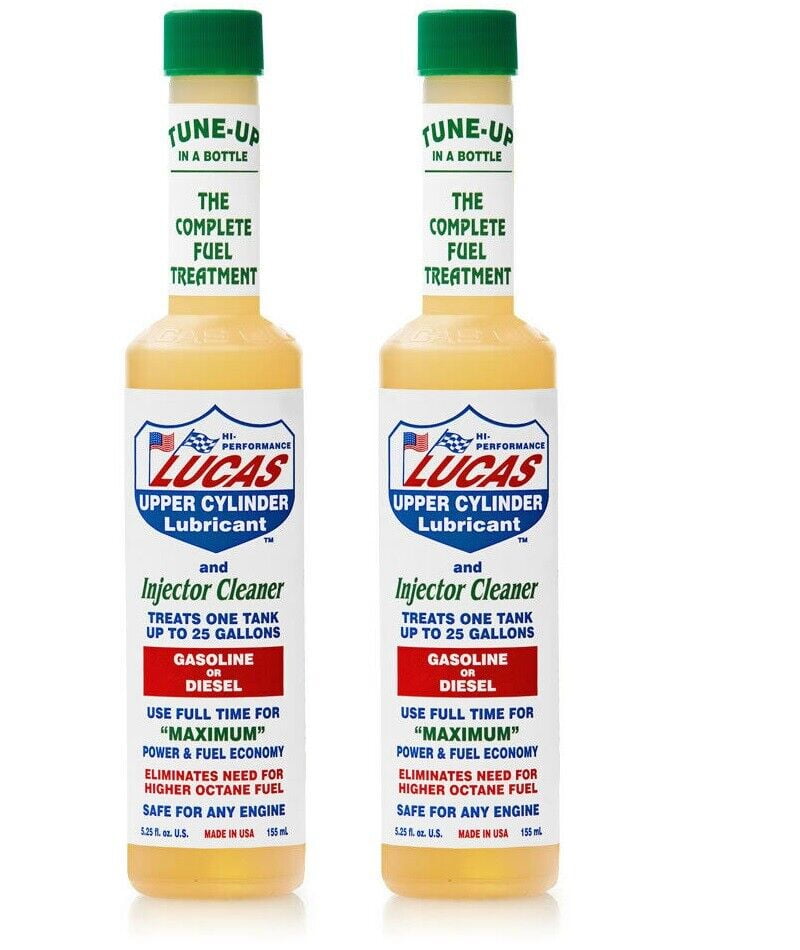
Lucas Oil Upper Cylinder Lubricant and Injector Cleaner
Lucas Oil Upper Cylinder Lubricant & Fuel Treatment differentiates itself by focusing on upper-cylinder lubrication as well as fuel conditioning, reducing wear at the injector/valve interface while improving lubricity for low-sulfur industrial diesel fuels. That combined lubrication plus treatment approach offers a technical advantage for high-hour engines where mechanical wear and injector tip lubrication are top concerns, and it typically sits at a moderate price point that appeals to preventative maintenance budgets. Compared to pure detergents on this list, Lucas prioritizes component longevity along with cleaner combustion rather than maximal deposit stripping.
Estimated$12 – $30
What the Research Shows About These Additives
Laboratory tests and fleet studies support the key benefits of modern fuel additives and injector lubricants. Research measures improvements in ignition quality, lubrication, deposit control, oxidation stability, and microbial control using established test methods. Results show that properly formulated additives can reduce injector deposits, lower wear in fuel pumps and injectors, stabilize fuel during storage, and help maintain emissions performance. For buyers, the scientific literature and independent lab reports are useful tools to compare product performance and select formulations that match their fuel type and operating conditions.
Cetane improvers are shown to reduce ignition delay and smooth combustion, improving cold-start performance and reducing visible smoke and unburnt hydrocarbons. Testing commonly references ASTM D613 for cetane number.
Lubricity additives restore protection lost when sulfur is removed from diesel; high-recorder HFRR improvements (ASTM D6079) correlate with reduced injector and pump wear in real-world use.
Deposit control and injector cleaning chemistries reduce fouling and maintain spray patterns. Engine bench and field tests report improved fuel economy and lower particulate emissions after addressing injector deposits.
Antioxidants and metal deactivators extend storage life by slowing fuel oxidation, while dispersants help keep degradation products in solution. Oxidation stability is often assessed by methods such as ASTM D2274.
Biocides and biostat formulations control microbial contamination in tanks. Proper dosing and tank management are required to eliminate microbial slimes and prevent filter plugging and corrosion.
Frequently Asked Questions
Which fuel additive should I choose for industrial diesel?
Choose Howes Diesel Treat for industrial diesel: it stabilizes diesel for storage, adds lubricity to protect injectors and fuel pumps from wear/corrosion, and helps keep injectors free of varnish; it’s rated 4.6 and costs $35.50 CAD.
What exact feature does Stanadyne Performance Formula provide?
Stanadyne Performance Formula uses a concentrated formula engineered to clean injectors and combustion chambers, helping restore power, improve fuel economy, and reduce visible smoke; it’s rated 4.7.
Is Power Service Diesel Kleen + Cetane Boost good value?
Power Service Diesel Kleen + Cetane Boost is $32.61 CAD and combines injector cleaning with a cetane boost, aiming to reduce ignition delay and improve cold-start performance, while also reducing smoke and rough idling; rating is 4.6.
Does Howes Diesel Treat work with biodiesel blends?
Yes—Howes Diesel Treat is compatible with biodiesel blends and is suitable for industrial diesel applications; it stabilizes diesel for storage, adds lubricity for injector/pump protection, and is rated 4.6.
Conclusion
In Canada the right fuel additive or injector lubricant can extend equipment life, preserve fuel during long storage, and help meet operational and emissions goals. We hope this roundup of the top 5 options for 2026 helped you narrow your choices. If you want to refine or expand your search, use the search function to filter by fuel type, OEM approvals, dosing rate, or cold-weather performance.