

Top 5 Industrial Gas Engine Oils, Lubricants and Fluids in Canada for 2026
Industrial gas engine oils, lubricants and fluids are specially formulated products for spark-ignited engines running on natural gas, biogas or landfill gas. These formulations emphasize deposit control, valve train protection and compatibility with fuel impurities common in renewable and waste gas streams. Successful products balance alkalinity reserve with low-ash chemistry to neutralize corrosive acids while minimizing combustion deposits on pistons, rings and exhaust ports. In the Canadian market the category is driven by operators who prioritize reliability, longer drain intervals, compliance with OEM requirements, and lower total cost of ownership. Facilities producing electricity, heat, or renewable natural gas choose lubricants that support engine cleanliness, reduce unscheduled downtime, and handle variable fuel quality from municipal, agricultural and industrial sources. Other consumer preferences shaping buying decisions include local technical support, oil analysis programs, documented field trials, and products approved by leading engine manufacturers.
Inception's AI took the time to understand this market in Canada · · How we pickWe may earn a commission on purchases. It never affects our rankings.
Top Picks Summary
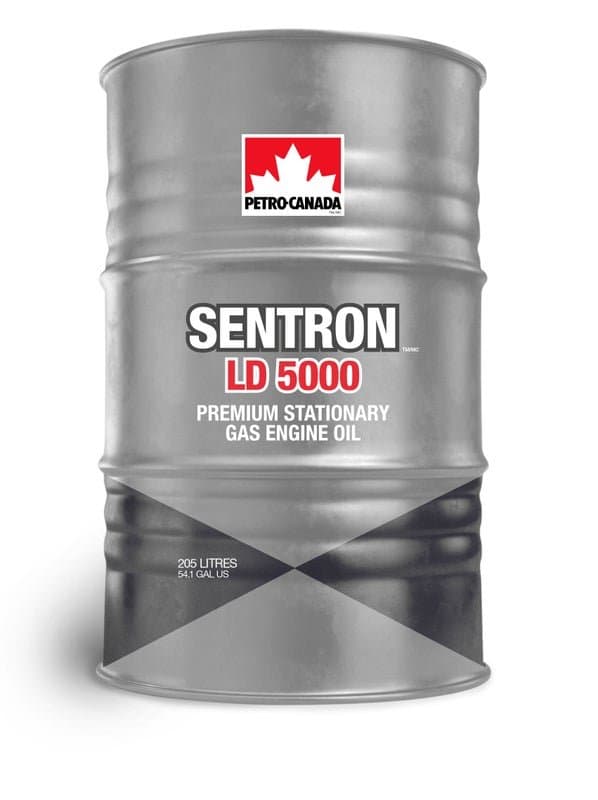
Petro-Canada Sentron LD 5000
Petro-Canada Sentron LD 5000 is positioned as a best-in-class, low-ash gas engine oil engineered for long-drain performance and robust wear protection in lean-burn and rich-burn industrial engines. Compared with the Shell and Mobil offerings in this list it emphasizes extended drain intervals and deposit control that reduce lifecycle operating costs, while its formulation offers a balance of alkalinity reserve and soot handling that can be more cost-effective than higher-priced synthetic alternatives. For operators prioritizing predictable maintenance cycles and lower total cost of ownership, Sentron LD 5000 often delivers strong technical performance without the premium price of some market-leading synthetics.
Estimated$180 – $260
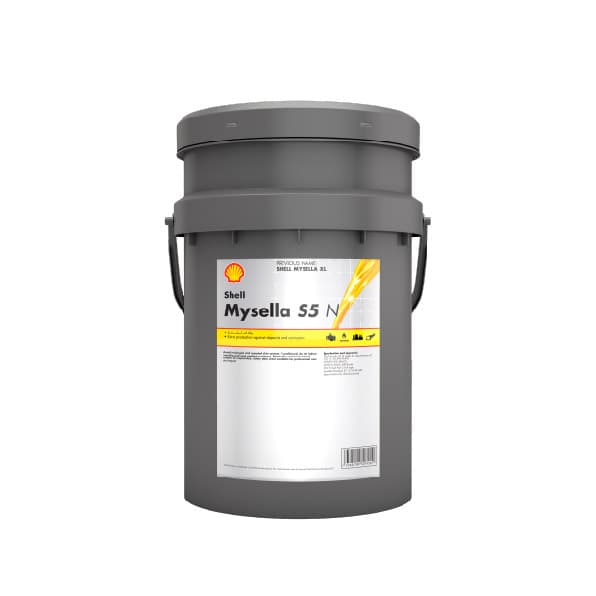
Shell Mysella S5 N
Shell Mysella S5 N is a synthetic-focused industrial gas engine lubricant designed for advanced oxidation stability and catalyst-compatible low-ash performance, making it a market leader for engines fitted with exhaust after-treatment. Compared with Petro-Canada Sentron LD 5000 and Mobil Pegasus 705, Mysella S5 N generally commands a higher upfront price but offers technical advantages in prolonged oil life and tighter control of deposits, which can translate to lower replacement and emissions-related costs. Its strong OEM acceptance and global support network also make it a preferred choice for fleets where emission compliance and long-term performance justify the premium.
Estimated$210 – $320
Mobil Pegasus 705
Mobil Pegasus 705 is a heavy-duty gas engine lubricant known for excellent thermal stability and protection under high load and high-temperature conditions, positioning it as a market leader among oils for severe-duty industrial applications. Relative to Shell Mysella S5 N and Castrol Duratec L, Mobil Pegasus 705 favors high-temperature oxidation resistance and robust deposit control over low-ash, catalyst-focused chemistry, offering a technical advantage for older engines or installations where after-treatment compatibility is not required. The product's reputation for protecting engine components under stress often results in lower unscheduled maintenance costs for high-duty operations, although it may not be the lowest-cost option at purchase.
Estimated$160 – $240
Chevron HDAX 9500 SAE 40
Chevron HDAX 9500 SAE 40 is a high-viscosity industrial gas engine oil designed for heavy-duty, straight-run and slow-speed gas engines, delivering strong film strength and acid-neutralization capacity that target long engine life. Compared with Mobil and Petro-Canada products in this list it provides a technical advantage in high-temperature film retention and TBN longevity, which can be attractive for operators running older engines or high-load applications; however it may be less focused on low-ash formulations required by modern emissions systems. Chevron's widespread distribution and competitive pricing also make HDAX 9500 a financially pragmatic choice for large fleets seeking balance between protection and cost.
Estimated$190 – $270
Castrol EDGE Professional Diesel 5W-30
Castrol Duratec L is formulated as a low-ash gas engine oil optimized for lean-burn engines and applications with catalytic after-treatment, offering good deposit control and compatibility with modern emissions systems. Compared to higher-temperature specialists like Mobil Pegasus 705 or high-viscosity oils like Chevron HDAX 9500, Duratec L targets operators who need emissions compliance and stable long-term TBN without excessive expense, often undercutting premium synthetics on price while still providing strong OEM-backed wear protection. For plants prioritizing exhaust treatment longevity and predictable oil consumption, Duratec L represents a balanced, cost-aware option.

What research and testing say about gas engine lubricants
Laboratory and field research over recent years has clarified which lubricant properties most affect gas-engine life and performance. Key metrics include base number (BN) for acid neutralization, low-ash or low-sulfated-ash formulations to limit combustion deposits, anti-wear additives for valve train protection, and corrosion inhibitors to counter sulfur and halide contaminants. Standardized engine and bench tests — including deposit tests, wear-rig evaluations and oil oxidation/stability assays — provide repeatable data that manufacturers and fleet managers use to select products and set drain intervals. Complementary studies on oil analysis show that condition-based maintenance guided by trending (viscosity, TAN, TBN, wear metals and insolubles) reduces downtime and avoids premature oil changes.
Base number (BN) is correlated with the lubricant's ability to neutralize acidic byproducts; engines running on biogas or landfill gas often require higher BN or periodic topping strategies.
Low-ash/low-sulfated-ash formulations reduce combustion chamber and exhaust deposits, improving efficiency and lowering emissions-related maintenance.
Anti-wear additives and robust dispersant/detergent packages protect valve trains and piston rings against scuffing and deposits.
Oil analysis and condition-based maintenance programs are validated by field studies as cost-effective ways to extend drain intervals while maintaining reliability.
Compatibility testing and field trials confirm that some formulations perform better with high H2S or siloxane contamination typical of certain biogas streams; selecting the right product depends on fuel chemistry.
Frequently Asked Questions
Which oil should I choose for biogas engines?
Shell Mysella S5 N is a synthetic industrial gas engine lubricant designed for modern natural-gas and biogas engines with extended service intervals, with catalyst-compatible low-ash performance and alkalinity (TBN) to neutralize combustion acids.
What spec or feature helps keep deposits down?
Petro-Canada Sentron LD 5000 is formulated for low-ash chemistry to protect aftertreatment and reduce spark plug fouling, with strong anti-wear additives and corrosion inhibitors plus good oxidation control and shear stability for long-drain performance.
How does Shell Mysella S5 N pricing compare to Mobil Pegasus 705?
The provided product data does not list any prices for Shell Mysella S5 N or Mobil Pegasus 705, so I can’t compare cost-to-value from this source.
Does Mobil Pegasus 705 have long-drain warranty coverage?
The provided data lists no warranty duration for Mobil Pegasus 705, Petro-Canada Sentron LD 5000, or Shell Mysella S5 N, so warranty coverage can’t be confirmed from the available details.
Conclusion
In Canada, selecting the right industrial gas engine oil or lubricant for 2026 means balancing engine protection, fuel-compatibility and cost of ownership. We hope this overview helped you understand the category and narrow your options. If you want to refine or expand your search by engine make, fuel type, drain interval or OEM approvals, use the search to find the best match for your operation.