

Top 10 Industrial Lubricant Additives in Canada for 2026
Industrial lubricant additives are concentrated chemistries—antiwear, antioxidant, detergent, dispersant, friction modifiers and more—formulated to enhance base oil performance across demanding industrial applications. In Canada, buyers prioritize additives that deliver extended drain intervals, robust low-temperature performance, and compatibility with modern equipment including electrified systems and high-efficiency machinery. Current trends for 2026 emphasize ashless additive technologies, reduced phosphorus formulations to protect emission control devices and catalytic components, and tailor-made additive packages designed for synthetic base oils, electric drives, turbines, compressors and cold-climate reliability.
Inception's AI took the time to understand this market in Canada · · How we pickWe may earn a commission on purchases. It never affects our rankings.
Top Picks Summary
Lubrizol ZDDP Plus 5000 is a high-concentration zinc dialkyldithiophosphate (ZDDP) antiwear and extreme-pressure package tailored for industrial lubricants, providing robust film-forming protection and proven wear control under high-load conditions. It holds a best-in-class position for raw load-carrying capacity and cost-per-wear protection, outperforming many ashless competitors such as Lanxess Additin RC 4801 on direct wear prevention while being more economical than molybdenum-enhanced systems like Chevron Oronite OLOA 9900, though formulators must manage phosphorus/ash targets when using it.
Show More Antiwear and Extreme Pressure Additives for Industrial Lubricants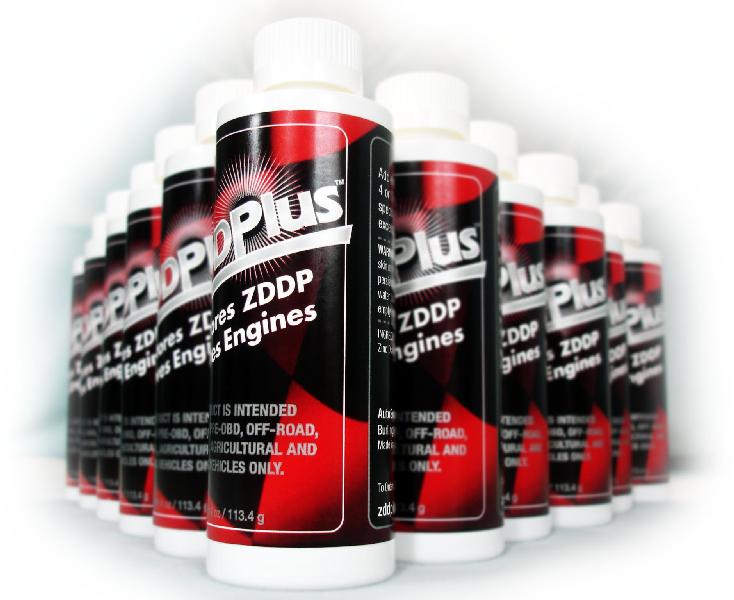
Estimated$800 – $1,600
BASF Irgalube 63 is positioned as a technical leader for industrial lubricant antioxidant systems, offering ashless antioxidant performance with excellent compatibility in complex formulations and synergistic pairing with phenolic antioxidants for enhanced high-temperature protection. Compared to single-function phenolics such as Vanlube 81 and Irganox L57, Irgalube 63 typically brings better long-term oxidative stability and formulation flexibility—traits that can reduce total lifecycle cost through extended oil life despite a higher unit price.
Show More Antioxidant Additives for Industrial Lubricants
BASF Irganox L150 Antioxidant Dispersant
BASF Irganox L150 is a hybrid antioxidant-dispersant designed to simultaneously protect industrial lubricants from oxidative breakdown while controlling deposit precursors, extending oil life under thermal and oxidative stress. In comparison to the strictly dispersant-focused products listed, Irganox L150 provides a technical edge where oxidative stability is a primary failure mode, reducing overall maintenance and oil replacement costs in demanding service environments.
Show More Detergent and Dispersant Additives for Industrial Lubricants
Estimated$400 – $600
Infineum C9265 Friction Modifier
Infineum C9265 is engineered to balance friction reduction with wear control and base-stock flexibility, delivering reliable performance across a variety of synthetic and mineral oils used in industrial lubricants. It sits between the broad compatibility of Lubrizol and the low-dose economics of Afton, offering strong shear stability and attractive supply-chain support from a global additive specialist; formulators favor it when consistent, globally available performance and integrated optimization with other Infineum technologies matter to total cost of ownership.
Show More Friction Modifier Additives for Industrial Lubricants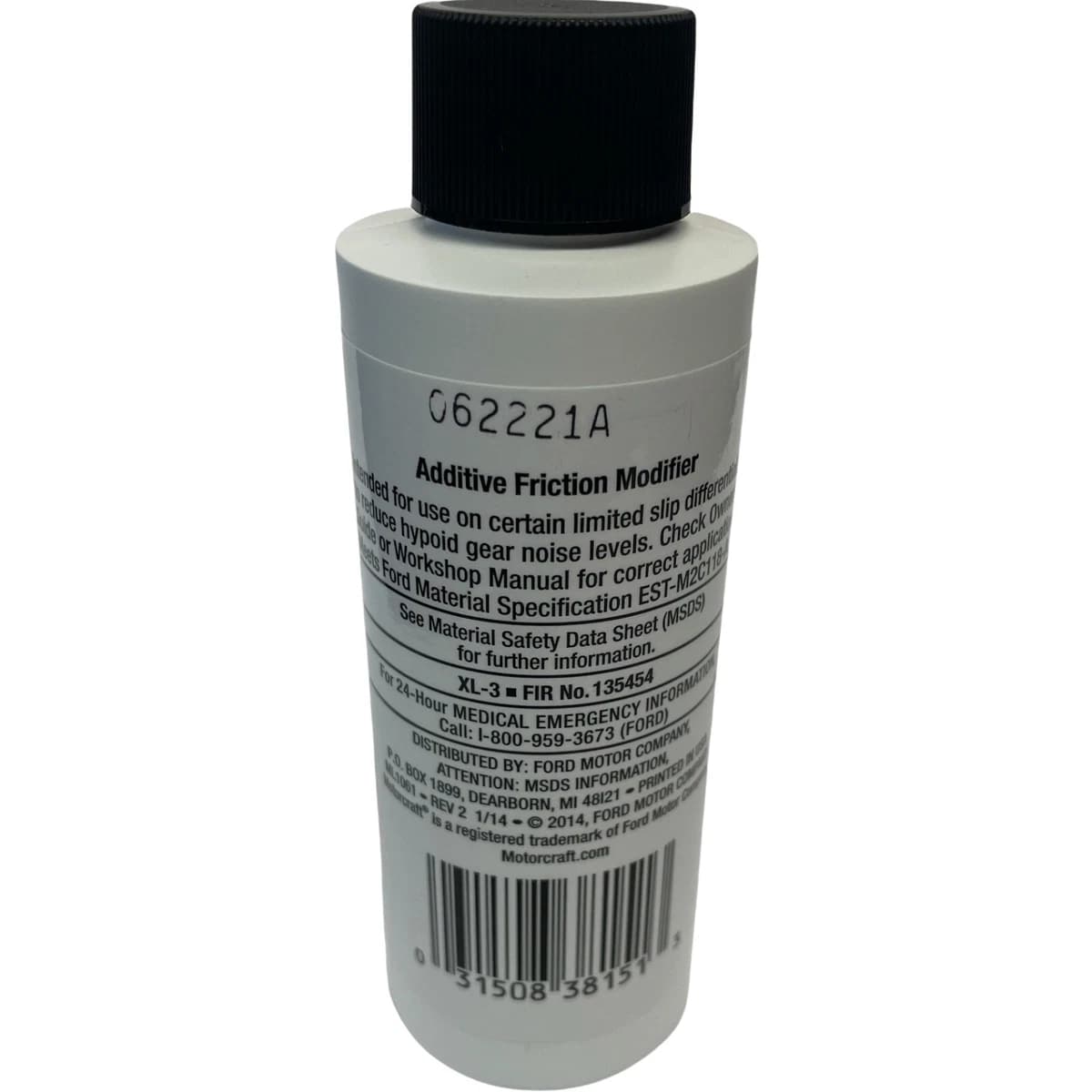
Estimated$500 – $900
Afton HiTEC 5777 is formulated to combine viscosity improvement with friction and deposit control tailored for industrial gear, hydraulic, and compressor oils, providing a multi-functional approach that can reduce the need for separate additives. Against single-purpose VI improvers such as Infineum SV200 or BASF Kerocom, HiTEC 5777 offers attractive cost-in-use by consolidating functionality, while its proprietary package chemistry supports stable performance under cyclic loading.
Show More Viscosity Improver Additives for Industrial Lubricants
Estimated$380 – $900
Lubrizol 7671 leverages engineered polymer chemistry to provide targeted pour point depression with excellent compatibility across synthetic and blended industrial lubricants, often enabling formulators to meet stringent low-temperature specs with modest treat levels. Its competitive advantage is strong additive synergy—especially in multi-functional formulations—helping reduce overall system cost despite a premium unit price. Compared with peers on this list, 7671 is frequently selected for formulations that require tight additive interaction control and validated performance in severe cold-climate applications.
Show More Pour Point Depressant Additives for Industrial Lubricants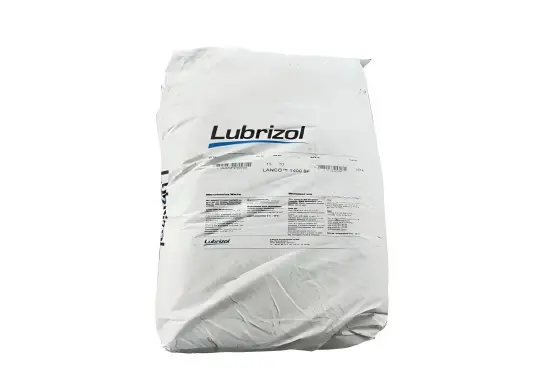
Estimated$650 – $1,200
BASF Foamaster MO 2190
Foamaster MO 2190 is presented as a best-in-class silicone-free antifoam and demulsifier aid optimized for industrial lubricants, offering low-dosage performance, broad formulation compatibility and strong thermal stability. Compared with the silicone-based DOWSIL 1520 it trades slightly slower initial knockdown for better long-term stability and fewer compatibility constraints, and versus Lubrizol LUBE-ZORB 100 it provides more balanced foam control alongside demulsification rather than focusing solely on rapid water separation.
Show More Foam Control and Demulsifier Additives for Industrial Lubricants
Estimated$250 – $500
Lubrizol Anglamol 6043
Lubrizol Anglamol 6043 is positioned as a best-in-class seal swell additive for industrial lubricants, offering broad elastomer compatibility and predictable swell control across common seal materials; its balance of performance and cost makes it a go-to choice for formulators seeking economical, stable seal performance. Compared with premium chemistries like Infineum C9425 it delivers competitive compatibility at lower cost, while providing more application flexibility than niche solutions such as Lanxess Additin RC 9100.
Show More Seal Swell and Material Compatibility Additives for Industrial Lubricants
Estimated$250 – $600
Lubrizol Asteric 4200 Ashless Dispersant
Lubrizol Asteric 4200 is a high-performance ashless dispersant designed to control soot, varnish and deposit formation in reduced-phosphorus and ashless industrial lubricant formulations. It holds a best-in-class position for its broad solubility and blend stability, enabling formulators to maintain cleanliness while minimizing additive interactions compared with alkalinity boosters like Infineum C9425. Economically it can reduce maintenance-related downtime and lower total additive treat rates versus traditional ash-containing dispersant strategies.
Show More Ashless and Reduced Phosphorus Additive Technologies for Industrial Lubricants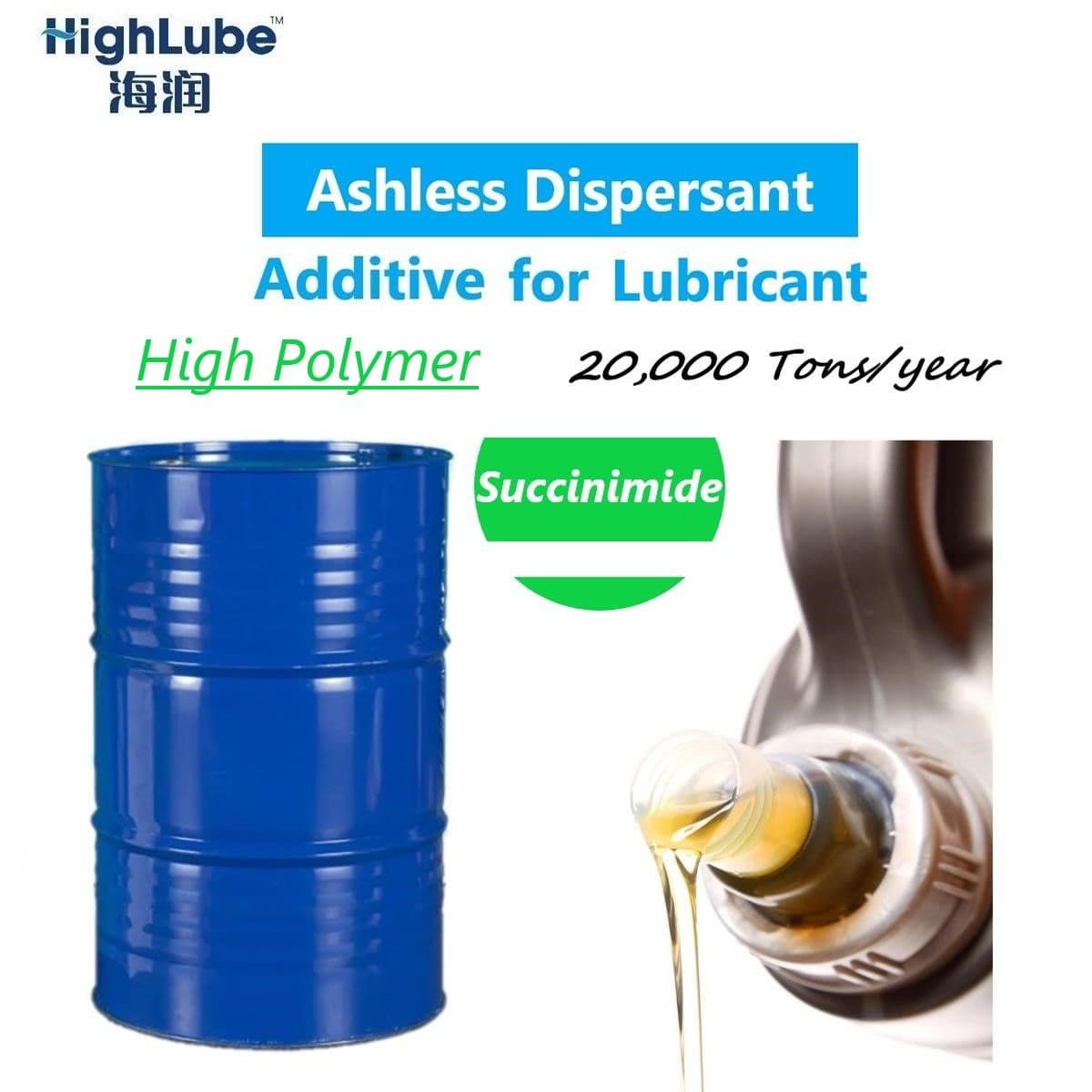
Estimated$200 – $600
Lubrizol Lubrizol 6000 Series EV Additive Package
The Lubrizol 6000 Series EV Additive Package is positioned as a best-in-class solution for electrified industrial equipment lubricants thanks to a balanced focus on extreme-pressure chemistry, friction reduction and thermal stability tailored to e-axles and gearboxes. It differentiates itself from Infineum and Afton by emphasizing extended drain intervals and broad OEM compatibility that can lower total cost of ownership, while delivering comparable sensor- and seal-compatibility to BASF and Chevron Oronite offerings.
Show More Additive Packages for Electrified Industrial Equipment Lubricants
Estimated$250 – $450
Why Science Supports Additive Performance
Laboratory bench tests, standardized protocols and field trials underpin the benefits of modern lubricant additives. Manufacturers and independent labs use ASTM, ISO and OEM test methods to measure wear protection, oxidation resistance, deposit control and friction reduction. Results from controlled tests and extended field trials show that the right additive package improves equipment life, keeps systems cleaner, and can help reduce energy use through lower friction and better film formation. In Canada, validation often includes cold-start and seasonal testing to ensure additive performance under low-temperature conditions and in mixed fleet environments.
Antiwear additives have been shown in bench and engine tests to reduce metal-to-metal wear and extend component life when paired with appropriate base oils.
Antioxidants increase oil oxidative stability, slowing viscosity growth and acid formation, which extends drain intervals in high-temperature service.
Detergents and dispersants help prevent deposits and sludge, maintaining clean surfaces and stabilizing contaminants so filtration is more effective.
Ashless technologies and reduced phosphorus formulations support emission control systems and reduce ash-related deposits in turbines and engines.
Field trials and OEM validation are essential: many additive packages show measurable fuel or energy efficiency gains only after system-level testing under representative loads and temperatures.
Frequently Asked Questions
Which additive should I choose for extended oil life?
For extended oil life, choose Ciba Irganox L135 (average rating 4.8); it’s a hindered phenolic antioxidant with very low volatility and high thermal endurance for long-term oxidative resistance in demanding industrial lubricants.
What low-temperature spec does Lubrizol 7671 improve?
Lubrizol 7671 (average rating 4.7) delivers targeted pour point depression for maximum low-temperature protection, and it’s engineered to minimize impact on viscosity and lubricant film strength.
How does Ciba Irganox L135 value compare at its price?
Price details weren’t provided for Ciba Irganox L135, but it’s rated 4.8 and described as very low volatility with high thermal endurance plus synergistic behavior with secondary antioxidants and metal deactivators.
Is Lubrizol Anglamol 6043 compatible with NBR and FKM?
Yes—Lubrizol Anglamol 6043 (average rating 4.6) is designed to promote controlled elastomer swell for common seal materials such as NBR and FKM, with an oil-soluble formulation for easier package incorporation.
Conclusion
This Top 10 guide summarizes leading industrial lubricant additive options relevant to Canadian operations in 2026. We hope you found a clear starting point for choosing additives that match your equipment and sustainability goals. If you want to narrow results by application, climate, or OEM compatibility, use the site search to refine or expand your options.