

Best Accumulation Buffers and Zones in Canada 2026: Top 5 Zone-Controlled Solutions
Accumulation buffers and zones are zone-controlled accumulation solutions enabling zero-pressure buffering, line balancing, and surge handling across packaging lines. Modern implementations in Canada combine segmented drives, presence sensors, and smart controls to minimize product contact, reduce line stoppages, and improve throughput. Canadian manufacturers and system integrators favor designs that prioritize sanitary construction for food and beverage, flexible handling for mixed SKU e-commerce lines, energy efficiency for lower operating cost, and local serviceability to meet fast uptime targets. Demand is driven by labor shortages, growth in e-commerce and cold chain distribution, and increased emphasis on product integrity. Buyers in Canada look for modular systems that can be scaled, integrated with existing controls, and tuned for low-contact zero-pressure accumulation to reduce damage and improve overall line efficiency.
Inception's AI took the time to understand this market in Canada · · How we pickWe may earn a commission on purchases. It never affects our rankings.
Top Picks Summary
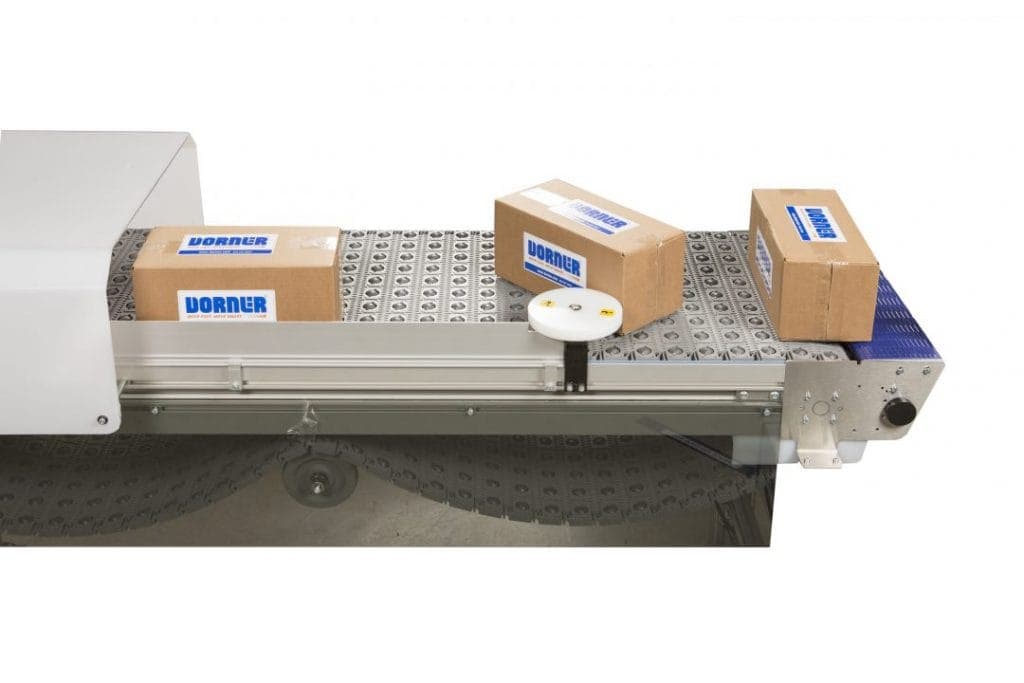
Dorner 3200 Series Accumulation Conveyor
The Dorner 3200 Series Accumulation Conveyor is a compact, modular system prized for low total cost of ownership and fast integration into multi-zone buffer layouts, making it a strong choice for light-to-medium load accumulation zones. Compared with heavier-duty options like Hytrol or custom zero-pressure systems from Nercon, the 3200 often delivers lower upfront and maintenance costs while providing sufficient performance for many buffering applications; it's released and available for purchase for customers seeking a budget-conscious, flexible accumulation platform.

Estimated$6,000 – $22,000
Hytrol EZLogic Accumulation Conveyor
Hytrol's EZLogic Accumulation Conveyor combines robust, industrial-grade conveyors with built-in EZLogic controls to simplify zone management and increase throughput in high-volume accumulation buffers. Technically it targets higher duty cycles and heavier loads than lighter modular conveyors such as Dorner, and it typically offers a more economical investment than specialized solutions like Intralox ARB or full Nercon zero-pressure systems when raw capacity and straightforward zone control are primary requirements; it is released and available for purchase.

Intralox ARB Activated Roller Belt
The Intralox ARB (Activated Roller Belt) is a technically advanced, low-contact accumulation solution that uses independently driven rollers to create precise, zero-pressure zones ideal for fragile or easily scuffed products. While it carries a higher capital cost than simpler accumulating belts or modular conveyors, ARB often reduces product damage and maintenance expenses over time compared with non-activated systems such as FlexLink or Dorner, and it is released and available for purchase for operations prioritizing gentle handling and high uptime.
Estimated$12,000 – $65,000
FlexLink X85 Accumulating Conveyor
FlexLink X85 Accumulating Conveyors emphasize modularity, hygienic design, and quick reconfiguration for buffer zones in food, pharmaceutical, and light-industrial lines, providing a middle ground between low-cost modular conveyors and higher-end activated roller solutions. Financially it can be more cost-effective than fully custom zero-pressure systems for facilities that need frequent layout changes or sanitation-focused materials, and technically it competes well with Dorner on flexibility while being more application-specific than Hytrol's heavy-duty conveyors; the X85 is released and available for purchase.

Estimated$7,000 – $35,000
Nercon Zero Pressure Accumulation System
Nercon's Zero Pressure Accumulation System is purpose-built for multi-zone buffering with advanced controls to maintain product separation and protect delicate goods, delivering best-in-class gentle handling and throughput smoothing. Although typically a higher capital investment than simpler accumulating belts, Nercon systems can reduce line stoppages and product damage versus non-zero-pressure approaches like standard Dorner or Hytrol conveyors, and they are released and available for purchase for operations where throughput quality and minimal product contact justify the spend.

Estimated$20,000 – $120,000
Why Zone-Controlled Accumulation Works: Evidence and Practical Benefits
A growing body of industrial research, manufacturer white papers, and field case studies supports the benefits of zone-controlled, zero-pressure accumulation. Findings show that segmented drive and activated roller belt architectures reduce product-to-product contact, lower breakage rates, and make line balancing more reliable under surge conditions. Studies and industry guidelines emphasize that combining accurate presence detection with local zone control minimizes stoppages and shortens recovery time after upstream variability. Economic analyses and customer case studies frequently report measurable reductions in labor intervention and improved throughput when accumulation systems are applied thoughtfully.
Zero-pressure accumulation reduces product damage and contamination by preventing product-to-product friction and stacking.
Segmented drives and local zone control reduce reaction time to upstream surges, lowering overall line stoppages.
Activated roller belts (ARB) enable gentle, low-contact transfers, improving handling of fragile or irregular items.
Energy consumption drops when only active zones are powered; savings depend on system size and duty cycle.
Return on investment in accumulation buffering is often realized through reduced manual sorting, fewer rejects, and higher effective throughput.
Frequently Asked Questions
Which zone-controlled accumulation buffer should I pick?
Choose the Intralox ARB Activated Roller Belt for fragile or easily scuffed products, since it uses independently driven activated rollers to create precise zero-pressure zones with low-contact handling and a 4.8 rating.
Does the Dorner 3200 support zero-pressure zones?
Yes—the Dorner 3200 Series Accumulation Conveyor offers configurable zero-pressure accumulation with selectable zones, and it has an average rating of 4.3.
Is Hytrol EZLogic better value than Dorner 3200?
The provided data lists no prices for the Hytrol EZLogic Accumulation Conveyor or the Dorner 3200 Series Accumulation Conveyor, so I can’t compare value using exact Canadian pricing.
Which product is best for heavy-duty accumulation zones?
The Hytrol EZLogic Accumulation Conveyor is best for heavy-duty buffering because it targets higher duty cycles and heavier loads, with built-in EZLogic sensor-driven accumulation and a 4.5 rating.
Conclusion
In the Canadian market of 2026, accumulation buffers and zones remain essential for packaging, warehousing, and distribution systems that need gentle, efficient surge handling. The top options covered here include the Dorner 3200 Series Accumulation Conveyor, Hytrol EZLogic Accumulation Conveyor, Intralox ARB Activated Roller Belt, FlexLink X85 Accumulating Conveyor, and the Nercon Zero Pressure Accumulation System. For mixed-product packaging lines that need the most flexible, low-contact solution, the Intralox ARB Activated Roller Belt often stands out as the best overall choice thanks to its gentle handling and modular scalability. We hope you found the comparison helpful; you can refine or expand your search using the site search to match specific Canadian requirements, such as food-safe materials, control integration, or local service options.