

Top 8 Inspection, Vision and Automation Systems in Canada for 2026
Automated inspection, vision and automation systems are transforming Canadian production lines by delivering reliable quality control, barcode verification and fast defect detection on packaging lines. In 2026 the market favors systems that combine AI-driven image analysis, inline x-ray or metal detection integration, and robust data capture for compliance and analytics. Canadian buyers from food and beverage, pharmaceuticals, cannabis and general manufacturing prioritize solutions that reduce recalls, improve traceability for CFIA and Health Canada requirements, compensate for labour shortages, and integrate with MES and ERP systems. These systems appeal because they increase throughput and consistency while lowering operational cost, and they support sustainability goals by reducing waste from false rejects and undetected defects.
Inception's AI took the time to understand this market in Canada · · How we pickWe may earn a commission on purchases. It never affects our rankings.
Top Picks Summary
Omron FH Series Vision System
Omron’s FH Series targets complex, multi-camera packaging inspections with deterministic synchronization, high-precision measurement tools, and advanced defect classification that reduce false rejects on sophisticated lines. It is typically chosen where technical needs—multi-view alignment, sub-pixel measurement and high-reliability control integration—outweigh initial equipment cost, positioning FH above more cost-focused options like Cognex 2800 or Banner VE for problem cases that would otherwise require manual inspection. The FH's tight PLC integration and scalability can yield measurable savings by lowering scrap and rework on high-value packaging runs.
Show More Inline Vision Cameras for Packaging Lines
Ishida IX-G2 X-ray Inspection System
The Ishida IX-G2 balances strong detection performance with a compact footprint, well suited for snack, ready-meal and multi-lane packaging environments where floor space and cost-efficiency matter. It typically costs less than top-tier enterprise systems while providing reliable contaminant and mass-loss detection and smooth integration with Ishida weighing and sorting equipment. Compared with the X33 it offers a more economical package for mid-sized producers, though with fewer enterprise analytics and scalability features.
Show More Xray Inspection Systems for Industrial Packaging
Loma Systems IQ4 Metal Detector
The Loma IQ4 series is optimized for packaging inspection workflows that demand rapid changeovers and operator-friendly controls, featuring smart tuning and an intuitive interface that accelerates setup and reduces training time. Versus other systems listed, IQ4’s strength lies in its ease of use and flexible configuration, which can translate into lower indirect costs from reduced downtime and fewer production interruptions on multi-SKU lines. This makes it especially attractive for processors with frequent product changes who value quick configuration and consistent detection performance.
Show More Metal Detection Systems for Packaging InspectionWe may earn a commission on purchases. It never affects our rankings.
Estimated$15,000 – $45,000
Zebra ZXP Series 7 with ZC350 Inline Verifier
Zebra's ZXP Series 7 paired with the ZC350 inline verifier targets organizations already standardized on Zebra hardware, offering seamless integration, centralized device management and broad service coverage that lower ongoing support costs. While it may not top the list for ultra-high-resolution code grading, its ecosystem advantages and proven reliability make it a practical choice for companies prioritizing uptime and vendor consolidation over maximum imaging sophistication. For many packaging operations the reduced lifecycle management cost and easy deployment are decisive financial benefits relative to standalone specialty verifiers.
Show More Barcode and Label Verification Systems for Packaging
Keyence XG-X Series Vision System
The Keyence XG-X Series delivers high-resolution imaging and ultra-fast processing that accelerates OCR deployment on high-speed packaging lines, making it well suited for throughput-critical compliance checks. Its combination of powerful optics and user-friendly software shortens commissioning time relative to some competitors, and although it occupies a premium price band, the lower integration and downtime costs can justify the investment on high-volume lines.
Show More Optical Character Recognition Systems for Packaging Compliance
Keyence IM-8000 Series Instant Measurement System
The Keyence IM-8000 Series Instant Measurement System is positioned as a best-in-class inline optical gauge for rapid dimensional checks and package integrity verification, providing ultra-fast cycle times and high repeatability that cut inspection labor and rework costs. Its strength is instantaneous, multi-point measurement with simple integration into production lines, which makes it more cost-effective for high-throughput dimensional spot-checks compared with area-scan 3D systems like the Cognex A5000. Against competitors such as LMI's continuous profilers and SICK's compact 3D sensors, the IM-8000 favors speed and simplicity over full-field 3D mapping, delivering measurable financial savings where fast, repeatable dimensional data are the priority.
Show More Dimensional and Package Integrity Measurement Systems for Packaging
Keyence CA-DQB12X Blue Bar Light
The Keyence CA-DQB12X blue bar light delivers high-intensity narrow-band illumination that dramatically improves contrast on transparent films, glossy labels and certain inks used in packaging, reducing the need for complex filtering or image post-processing. Positioned as a premium illumination choice, it complements vision systems such as the Cognex In-Sight by producing high-contrast images out of the camera, and while it can carry a higher unit price than generic linear arrays, its optical efficiency and reliability reduce inspection failures and rework costs on demanding packaging lines.
Show More Machine Vision Lighting and Optics for Packaging Inspection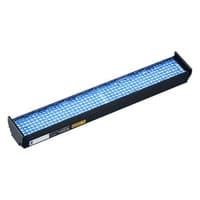
Estimated$350 – $700
Zebra Aurora Vision Studio
Zebra Aurora Vision Studio focuses on barcode and label-centric vision and analytics for packaging quality, delivering rapid label verification, print inspection and supply-chain readiness reports tightly integrated with Zebra imagers and printers. While not positioned as a general-purpose deep-learning inspection suite like Cognex or a high-speed controller like Keyence, Aurora offers a lower-cost, high-ROI choice for operations already invested in the Zebra ecosystem, minimizing integration expense and accelerating compliance checks for packaged goods.
Show More AI Inspection Software and Analytics for Packaging Quality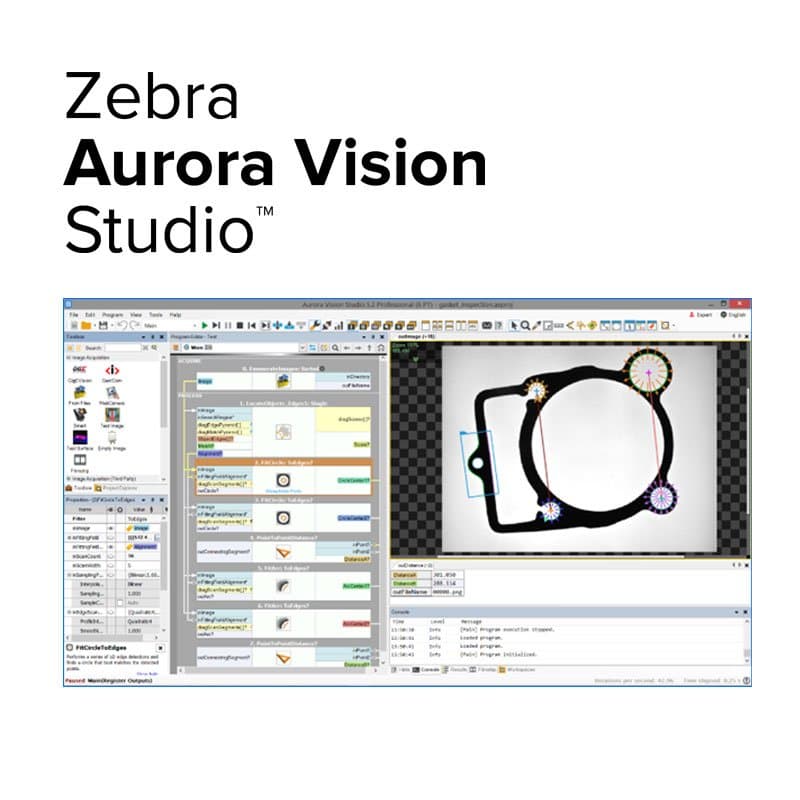
Estimated$0-10,000 CAD
What research and industry evidence say about these systems
Research and industry reports consistently show that modern inspection and vision systems improve detection accuracy and operational efficiency compared with manual inspection. Peer-reviewed studies and vendor case studies up to 2024 indicate measurable reductions in defect escape rates, faster inspection cycles, and improved traceability when imaging, x-ray and automated data logging are combined. AI-driven image analysis enhances detection of subtle or variable defects and reduces human fatigue errors, while inline x-ray and metal detection add confidence for foreign body detection. Integration of captured data into analytics platforms supports root cause analysis and continuous improvement programs.
AI image analysis: Studies and industrial pilots show AI models can match or exceed trained human inspectors for many defect classes, especially where variability or subtle differences are involved.
Inline x-ray and metal detection: Proven to reliably detect dense foreign objects (metal, glass, some high-density plastics) and complement visual systems for complete inspection coverage.
Operational impact: Case studies report lowered recall risk and reduction in rework and waste, improving first-pass yield and overall equipment effectiveness (OEE).
Compliance and traceability: Automated barcode and data capture aligns with Canadian regulatory requirements and global standards, making audits faster and less error-prone.
ROI and adoption: Typical return on investment is driven by fewer recalls, labor savings, and lower scrap rates; many operations see payback within 12 to 36 months depending on line volume and defect rates.
Frequently Asked Questions
Which system should Canadian packaging lines choose for defects?
For high-throughput food and pharmaceutical inspection, the Mettler-Toledo X33 X-ray Inspection System is designed for reliably detecting metal, glass, stone and dense inclusions with a conveyor-zoom scan approach and automatic reject.
What exact capability does the Safeline Profile Advantage provide?
The Mettler-Toledo Safeline Profile Advantage uses high-sensitivity multi-frequency detection optimized for packaged products, plus advanced built-in diagnostics and verification tools for HACCP traceability.
How does the Zebra ZXP Series 7 inline verifier price compare?
The Zebra ZXP Series 7 with ZC350 Inline Verifier lists for $5,748.31 CADand provides an inline verifier that supports common barcode symbologies with basic ISO grading and centralized reporting.
Is the Zebra ZXP Series 7 only for Zebra printers?
The Zebra ZXP Series 7 with ZC350 Inline Verifier is intended for organizations already standardized on Zebra hardware, with compact integration alongside Zebra printers to simplify installation and operator workflows.
Conclusion
In Canada, selecting the right inspection, vision and automation system means balancing detection capability, integration with existing systems, and compliance needs. We hope this guide helped you find the kinds of systems to consider in 2026. Use the site search to refine by industry, detection method, or vendor, or expand your search to compare features, integration options and expected ROI.