

Top 5 Oil Aerosol and Oil Contamination Monitors in Canada for 2026
Oil aerosol and oil contamination monitors for industrial filtration and air preparation units detect oil aerosols, vapors, and liquid carryover in compressed air and process gases using technologies such as light scattering, photometers, and oil-specific sensors. These devices are vital for protecting sensitive instrumentation, preserving product quality, and ensuring process reliability across regulated industries including food and beverage, pharmaceuticals, electronics, and manufacturing. In Canada, buyer preference leans toward continuous inline monitors that support ISO 8573-1 compressed air quality targets, offer low maintenance and rugged field performance for harsh climates, and integrate with building management and Industry 4.0 platforms for remote alerts and predictive maintenance. Demand is growing for solutions that reduce downtime, simplify compliance reporting, and provide clear detection thresholds and calibration paths backed by local service and vendor support.
Inception's AI took the time to understand this market in Canada · · How we pickWe may earn a commission on purchases. It never affects our rankings.
Top Picks Summary
CS Instruments Oil Check 400
The Oil Check 400 from CS Instruments is a continuous online oil aerosol and vapor monitor designed for point-of-use and system-level monitoring in compressed air preparation units. It is valued for its high sensitivity, low maintenance and easy integration with filtration stacks, often delivering similar technical performance to premium rivals at a lower total cost of ownership compared with global brands like Parker or BEKO.

Estimated$4,000 – $7,000
SUTO S120 Oil Vapor Sensor
The SUTO S120 is a compact, low-power oil vapor sensor optimized for distributed, point-of-use monitoring of compressed air lines with simple analogue or digital outputs. While it does not offer the advanced analytics or long-term calibration pedigree of CS Instruments or Parker Balston, its very competitive purchase price and ease of replacement make it an economical choice for wide-area deployment across air preparation networks.

Estimated$1,200 – $2,500
Parker Balston Oil Vapor Monitor
The Parker Balston Oil Vapor Monitor is a market-leading, robust instrument known for high precision, long-term stability and global service support—making it ideal where regulatory compliance and minimal sensor drift are priorities. Its higher upfront cost is generally offset by durable performance, traceable calibration and enterprise-level integration that can outperform compact alternatives when lifecycle costs and serviceability matter most.

Estimated$3,000 – $6,000
BEKO METPOINT OCV Compact
The BEKO METPOINT OCV Compact delivers optical oil aerosol and vapor detection in a compact package engineered for direct integration into compressed air filtration and treatment modules. It combines industrial‑grade durability similar to larger systems with a smaller footprint and usually lower integration cost, making it especially attractive where space, straightforward installation and close coupling to filtration hardware are key requirements.

Estimated$5,000 – $9,000
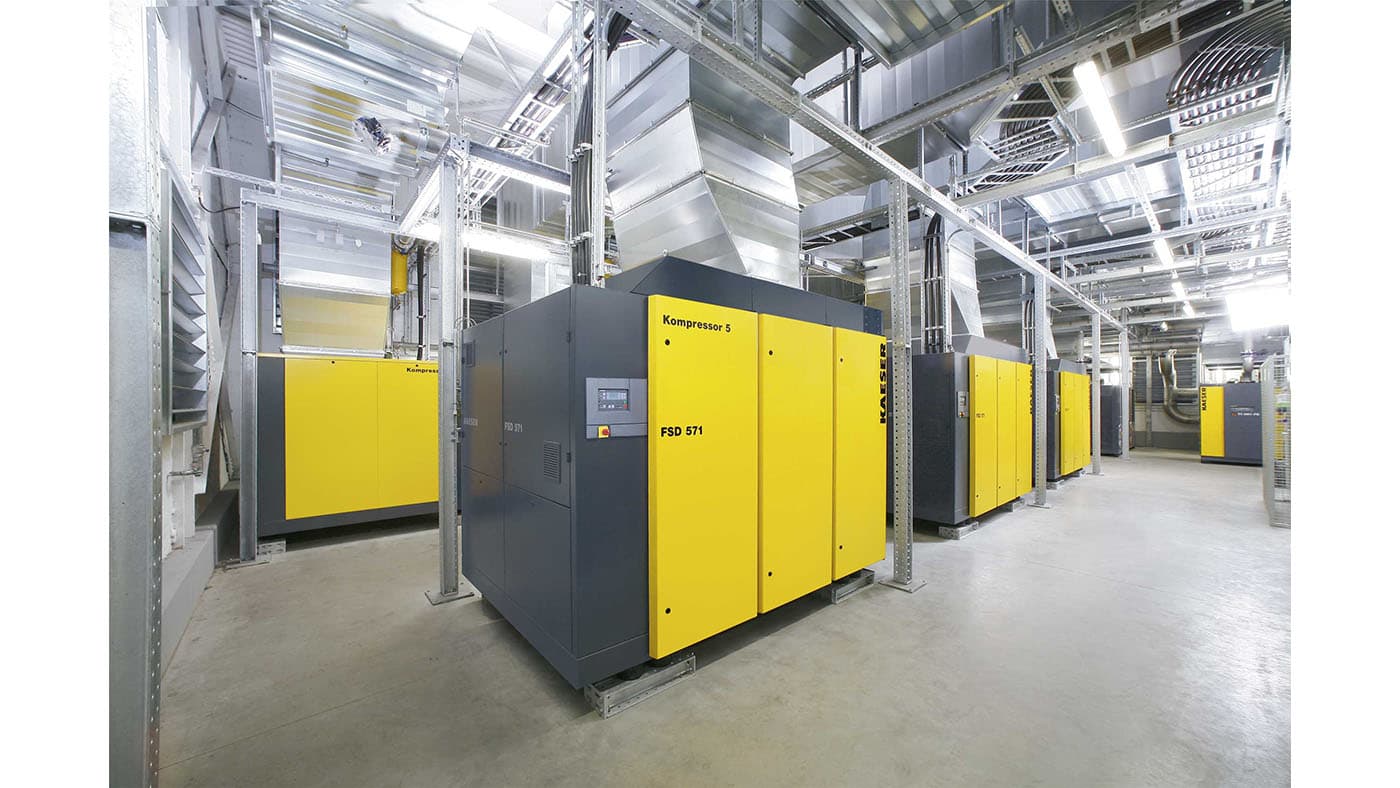
Kaeser Sigma Air Utility Oil Analyzer
The Kaeser Sigma Air Utility Oil Analyzer is tailored for operators of Kaeser compressor systems and plantwide monitoring programs, offering tight integration with Kaeser controllers and service networks for optimized lifecycle cost. Although it may not have every specialist feature of standalone analyzers from CS Instruments or Parker, its chief advantage is system-level economic efficiency and rapid commissioning within Kaeser-centric installations.
Estimated$6,000 – $12,000
Why science and standards back continuous oil monitoring
Research and industry standards show that continuous monitoring of oil aerosols and vapors reduces contamination risk, prevents equipment failure, and supports regulatory compliance. Light scattering and photometric methods provide fast response to aerosol events, while oil-specific sensors and adsorption-based techniques give reliable vapor detection. Standards such as ISO 8573-1 define compressed air quality classes and help buyers translate monitor readings into actionable thresholds. Peer-reviewed studies and industrial trials demonstrate that inline monitoring reduces unexpected product rejects and extends filter and dryer life when used as part of a predictive maintenance program.
ISO 8573-1 provides the benchmark for compressed air quality and helps define acceptable oil aerosol and vapor limits for different applications.
Light scattering photometers detect changes in aerosol concentration quickly, enabling rapid alarms when carryover or filter failure occurs.
Continuous monitoring combined with data logging improves root cause analysis and reduces time to repair compared with periodic spot testing.
Field studies show that targeted monitoring and timely maintenance can extend filter life and reduce compressed air energy waste.
Modern sensors are designed to limit false positives by combining optical and chemical detection methods and by applying robust calibration routines.
Frequently Asked Questions
Which monitor should I pick for compressed air stacks?
Choose CS Instruments Oil Check 400 if you need continuous online oil vapor and aerosol monitoring tailored for compressed air filtration systems, with compact integration options (4-20 mA, relays, Modbus/serial) and an average rating of 4.6.
What exact outputs does the CS Instruments Oil Check 400 provide?
CS Instruments Oil Check 400 includes analog and digital outputs: 4-20 mA, relays, and Modbus/serial for integrating with air preparation units, and it has an average rating of 4.6.
How does the Parker Balston Oil Vapor Monitor compare by price?
Pricing isn’t provided for the Parker Balston Oil Vapor Monitor or the other listed monitors, so the page can’t compare exact prices; it does list an average rating of 4.5 and spot-check/bench-top options for oil contamination verification.
Is the SUTO S120 Oil Vapor Sensor right for point-of-use?
Yes—the SUTO S120 is a compact, low-power oil vapor sensor for distributed point-of-use monitoring in pneumatic lines and air prep units, using straightforward analog output and configurable alarm thresholds, with an average rating of 4.4.
Conclusion
In Canada, choosing the right oil aerosol and oil contamination monitor means balancing sensitivity, reliability, integration, and local service support. The five models highlighted here — CS Instruments Oil Check 400, SUTO S120 Oil Vapor Sensor, Parker Balston Oil Vapor Monitor, BEKO METPOINT OCV Compact, and Kaeser Sigma Air Utility Oil Analyzer — represent the leading approaches from continuous inline photometers to compact vapor sensors and integrated analyzer solutions. For most industrial users seeking a proven continuous compliance monitor with broad application and established field support, the CS Instruments Oil Check 400 is the best overall choice. We hope you found the comparison helpful. If you want to refine or expand your search, use the site search to filter by detection range, integration options, or available Canadian distributors.