

Top 5 Calibration Gas and Bump Test Stations in Canada — 2026 Guide
Calibration gas and bump test stations are essential tools for keeping fixed and portable gas detectors accurate, reliable, and audit ready. This category covers calibration cylinders, regulators, automated calibration stations, and multi-port bump test units used to verify detector performance and maintain regulatory compliance. Canadian buyers prioritize solutions that combine traceable gas mixtures, robust automation for scheduled tests, easy integration with asset management systems, and local service and supply networks. Key appeal factors in this market include consistent, documented test records for compliance with provincial and national occupational health standards, lower operational downtime through multi-port or automated systems, and reduced human error by automating routine tasks. For workplaces across Canada, from oil and gas sites in Alberta to manufacturing plants in Ontario and remote resource operations in the Territories, these stations help protect workers while simplifying inspection and audit workflows.
Inception's AI took the time to understand this market in Canada · · How we pickWe may earn a commission on purchases. It never affects our rankings.
Top Picks Summary
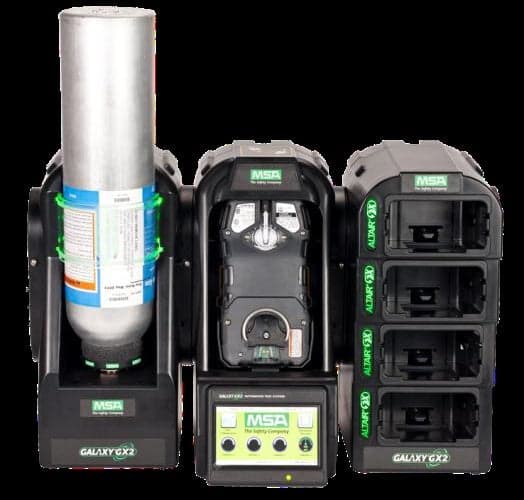
MSA Galaxy GX2 Automated Test System
MSA Galaxy GX2 is positioned as a best-in-class automated test system for Calibration Gas And Bump Test Stations because it combines high-throughput capacity, modular hardware and centralized reporting to support large fleets and regulatory compliance. Compared with smaller dock stations on this list, Galaxy GX2 carries a higher upfront cost but delivers measurable labor savings, enterprise-level traceability and multi-gas flexibility that make it the most practical investment for organizations that need scale and rigorous documentation.
Estimated$12,000 – $25,000
Honeywell IntelliDoX Docking Station
Honeywell IntelliDoX is a market-leading docking and asset-management station that tightly integrates calibration, bump testing and instrument lifecycle data for Honeywell detector fleets, reducing paperwork and shortening time-to-ready. Compared with the enterprise-focused Galaxy GX2 it offers easier IT integration and lower total cost of ownership for Honeywell users, while providing richer vendor-native diagnostics and streamlined workflows versus basic portable docks.
Estimated$1,200 – $3,000
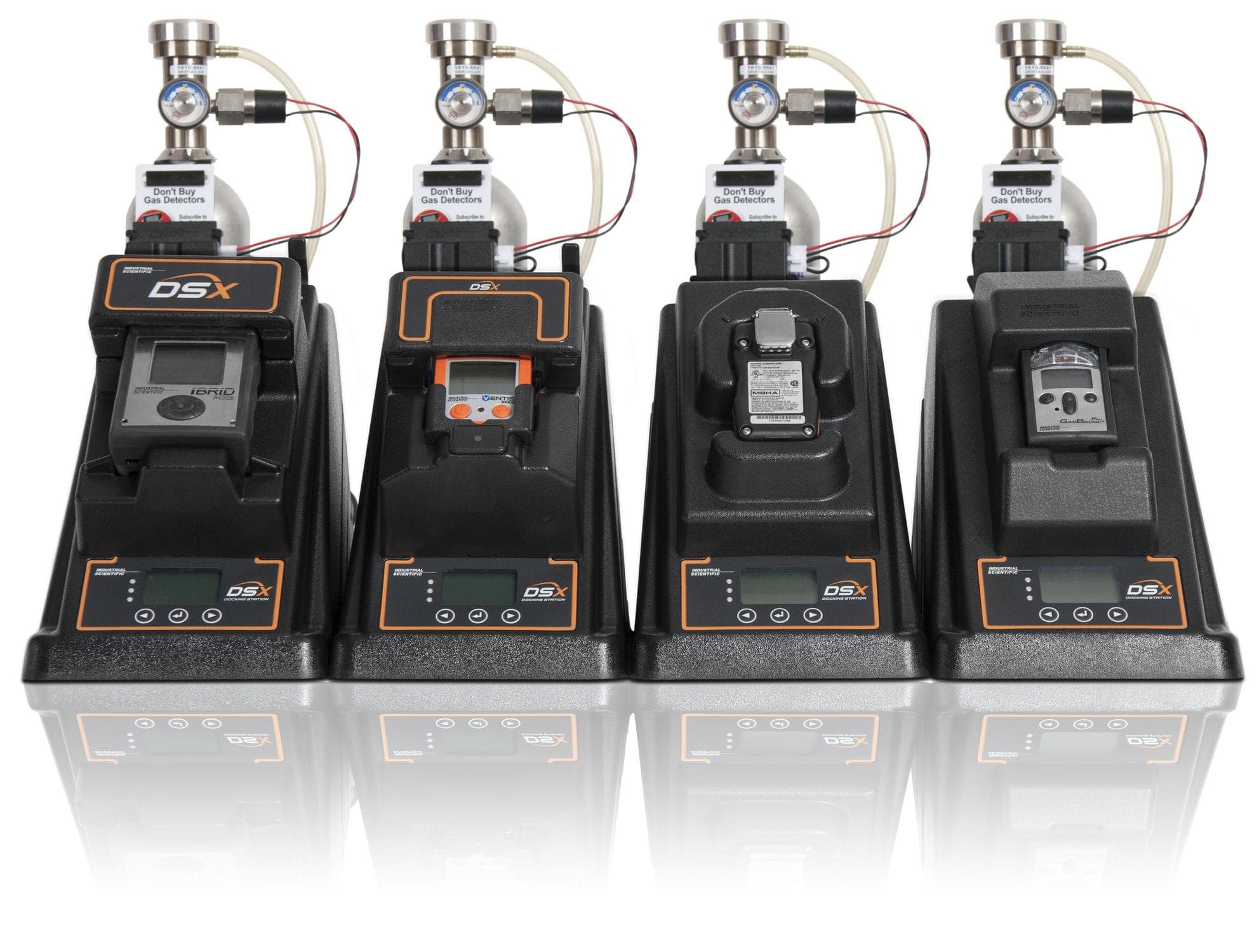
Industrial Scientific DSX Docking Station
Industrial Scientific DSX emphasizes cloud-native fleet management and flexible deployment, pairing automated bump and calibrations with strong remote analytics and subscription-based service models that reduce initial capital outlay. In contrast to closed vendor ecosystems like Honeywell or MSA, DSX stands out for open connectivity, modularity and pricing flexibility—making it a cost-effective choice for distributed operations that want real-time data without committing to a single large-capacity system.
Estimated$2,500 – $8,000
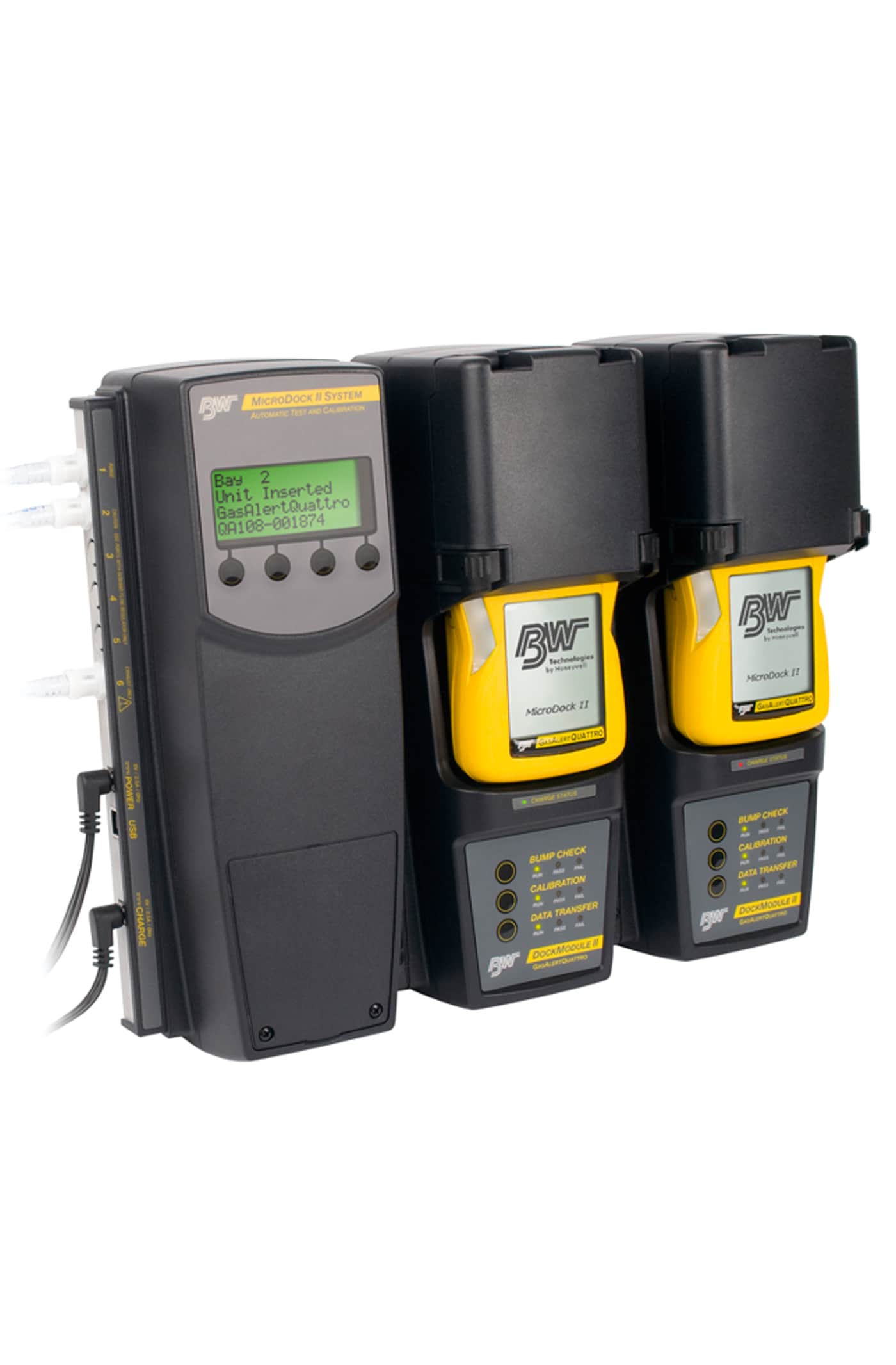
BW Technologies GasAlertMicroClip XL
BW Technologies MicroDock II is a compact, reliable and economical docking station geared to small-to-midsize operations that require straightforward calibration and bump testing without complex infrastructure. It delivers a low-per-unit cost and simple operation that make it attractive for tight budgets and field deployments, though it lacks the enterprise scalability, comprehensive reporting and integration features offered by systems such as Galaxy GX2, IntelliDoX or DSX.

Draeger X-dock Calibration Station
Draeger X-dock is a fast, user-friendly calibration and bump test station that balances speed, accuracy and a global service footprint suited to international operations and regulated industries. Compared with the high-throughput Galaxy GX2 it is more portable and easier to deploy at multiple sites, and while it may not match the extensive fleet analytics of DSX or IntelliDoX, X-dock offers strong regulatory documentation and regional support that can reduce lifecycle compliance costs for many buyers.

We may earn a commission on purchases. It never affects our rankings.
Estimated$1,200 – $4,000
Why calibration and bump testing matter: research-backed benefits
A broad base of industry testing, peer-reviewed research, and regulatory guidance supports regular calibration and bump testing as critical practices for gas detection reliability. Studies and field evaluations show that sensors drift over time and can be affected by environmental conditions such as temperature, humidity, and exposure to contaminants. Regular calibration with traceable gas mixtures restores instrument accuracy, while bump testing verifies that alarms and sensor response remain functional between calibrations. Automation and integrated recordkeeping further reduce missed tests and documentation errors, improving safety outcomes and simplifying compliance.
Sensor drift is measurable over weeks to months; scheduled calibration reduces measurement error and false negatives.
Bump tests confirm alarm response without requiring full calibration and are an efficient daily or pre-shift check.
Automated stations and docking systems reduce missed or late tests by enabling scheduled workflows and reminders.
Traceable gas mixtures provide chain of custody for audits and support repeatable, defensible calibration results.
Integrated asset management and electronic records reduce paperwork, speed audits, and enable trend analysis for predictive maintenance.
Environmental factors such as temperature and humidity affect sensor output; controlled calibration procedures mitigate variability.
Frequently Asked Questions
Which station is best for detector fleets in Canada?
MSA Galaxy GX2 Automated Test System fits large fleets because it provides fully automated bump testing and multi-gas calibration plus centralized, network-connected reporting for regulatory record keeping; it has an average rating of 4.6.
What automated test features does MSA Galaxy GX2 offer?
MSA Galaxy GX2 Automated Test System includes configurable test sequences and alarm simulation to validate sensor performance and instrument response, plus enterprise-ready data logging and reporting with network connectivity; rating is 4.6.
Does Honeywell IntelliDoX cost more than DSX station?
The provided details don’t include any prices for Honeywell IntelliDoX Docking Station or Industrial Scientific DSX Docking Station, so a cost comparison can’t be made from this data.
Will Honeywell IntelliDoX work with Industrial Scientific detectors?
Honeywell IntelliDoX Docking Station is described as automating calibration and bump tests for Honeywell detector fleets, and the data doesn’t state compatibility with Industrial Scientific detectors; warranty duration isn’t provided.
Conclusion
This Canada-focused roundup highlights five proven options for 2026: MSA Galaxy GX2 Automated Test System, Honeywell IntelliDoX Docking Station, Industrial Scientific DSX Docking Station, BW Technologies MicroDock II, and Draeger X-dock Calibration Station. Each product suits different needs: the Honeywell IntelliDoX is excellent for seamless detector docking and smart gas management, the Industrial Scientific DSX offers scalable enterprise integration, the BW MicroDock II is compact and budget friendly for localized testing, and the Draeger X-dock is known for intuitive operation and service support. For most Canadian operations that want a balance of automation, scalability, and audit-ready records, the MSA Galaxy GX2 Automated Test System stands out as the best overall choice. We hope you found what you were looking for. If you want to refine results by detector brand, throughput, or budget, or expand the search to include calibration gas suppliers and local service providers, use the search to tailor options to your site and compliance needs.