

Top 5 Industrial Portable Single-Gas Monitors in Canada for 2026
Industrial portable single-gas monitors are dedicated devices designed to detect one specific atmospheric hazard such as hydrogen sulfide (H2S), carbon monoxide (CO), oxygen (O2) deficiency or enrichment, or sulfur dioxide (SO2). In Canada these compact instruments are widely used across oil and gas, mining, utilities, wastewater, construction and confined-space work because they deliver focused, fast detection where a single hazard poses the greatest risk. Buyers in Canadian markets prioritize rugged build and weather resistance for outdoor and cold-climate use, long sensor life and battery endurance to minimize downtime, simple and intuitive controls for frontline workers, low cost of ownership through easy calibration and bump testing, and reliable real-time alerts that reduce exposure and support regulatory compliance. Increasingly, users also expect data logging, wireless or Bluetooth transfer for incident review and fleet tracking, and certifications that align with Canadian and international safety standards.
Inception's AI took the time to understand this market in Canada · · How we pickWe may earn a commission on purchases. It never affects our rankings.
Top Picks Summary
Honeywell BW Solo
The Honeywell BW Solo is positioned as a best-in-class industrial portable single gas monitor for organizations that need a balance of reliability and low total cost of ownership; its serviceable design and strong aftermarket support make it economical to operate over time. Compared with the other devices on this list it stands out for streamlined fleet deployment and maintenance efficiencies, offering many of the protections of higher-end units without the same upfront capital outlay.

MSA ALTAIR 2X
The MSA ALTAIR 2X is a market leader renowned for ruggedness, fast sensor response and long sensor life, making it a top choice for harsh industrial environments where rapid detection is critical. Technically optimized for durability and uptime, it justifies a higher initial investment relative to simpler clip-style monitors by reducing downtime and maintenance costs across large or demanding deployments.

Industrial Scientific GasBadge Pro
The Industrial Scientific GasBadge Pro is a cost-effective, lightweight single gas monitor aimed at large-scale industrial deployments that require dependable protection with minimal training. Its financial advantage is clear for bulk purchases and routine worker protection programs, and while it may lack some premium sensor bells-and-whistles found on the ALTAIR 2X or Dräger Pac 6500, it delivers solid performance with easy integration into existing safety workflows.
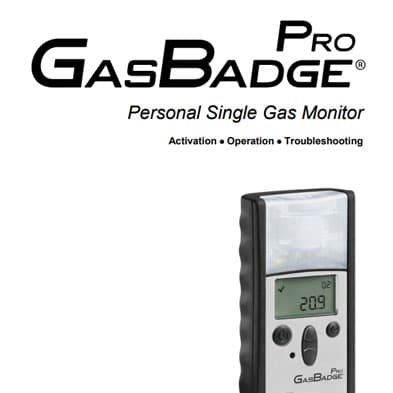
Estimated$350 – $600
Drager Pac 6500
The Dräger Pac 6500 is a premium single gas detector valued for its high measurement accuracy, sensor stability and certified build quality, making it well suited to safety-critical industrial applications. Though typically priced above basic clip monitors, its technical precision and longer calibration intervals can lower lifecycle costs and provide greater confidence in environments where false negatives or sensor drift are particularly consequential.
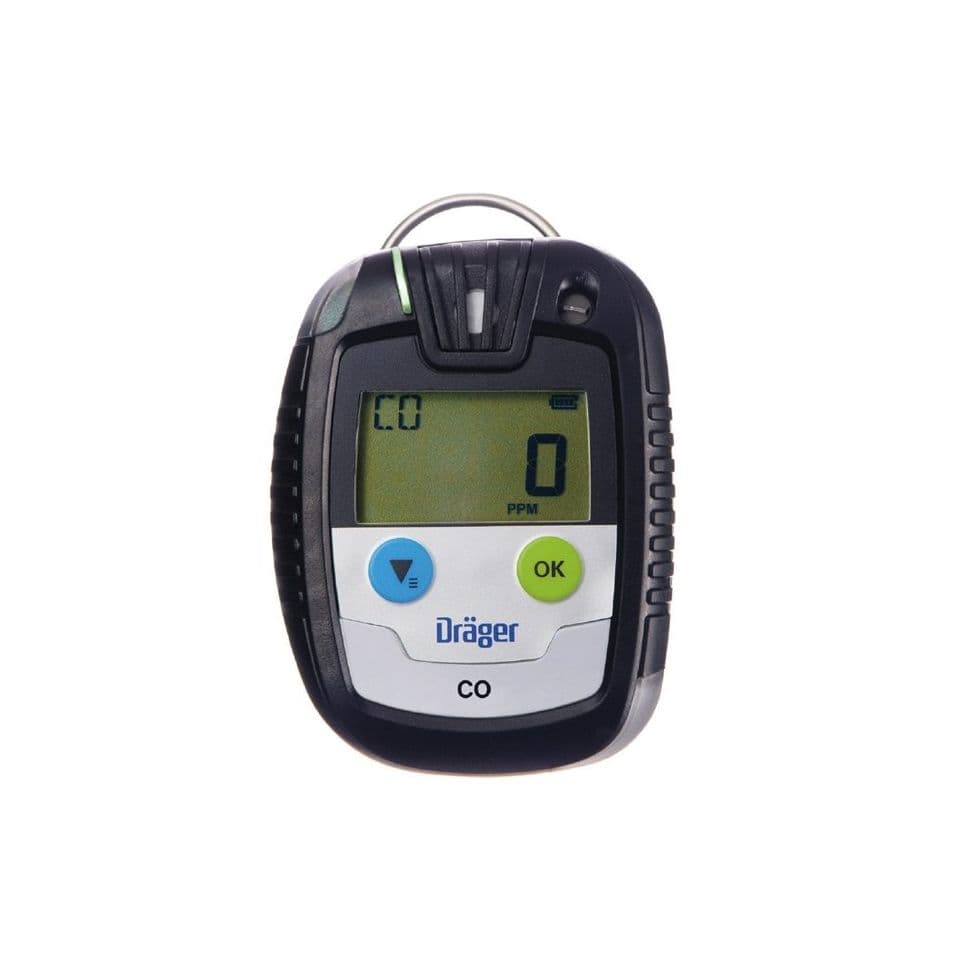
Estimated$450 – $800
BW Technologies GasAlert Clip Extreme
The BW Technologies GasAlert Clip Extreme is an ultra-compact, economically priced clip-style monitor designed for simple, reliable protection for workers and short-term visitors in industrial settings. Its main advantage is affordability and ease of use—ideal for mass distribution or disposable-style use—though it offers fewer advanced features and less long-term scalability compared with the Honeywell, MSA and Dräger offerings.

Why single-gas monitors work: research-backed benefits
Research and field evaluations from occupational safety agencies and independent laboratories indicate that single-gas monitors are an effective, low-cost way to protect workers from specific, high-risk gases. When the hazard is known and localized, a dedicated monitor delivers faster response, simpler maintenance, and longer sensor life than multi-gas units. Scientific literature and practical studies emphasize the importance of correct sensor selection, regular calibration and bump testing, and user training to maintain accuracy and reduce false alarms.
Targeted detection: Independent field studies show single-gas monitors have faster response times and lower cross-sensitivity for their target gas compared with general-purpose multi-gas detectors used in the same role.
Sensor technologies: Electrochemical sensors for toxic gases and galvanic cells for oxygen are well documented for stability and sensitivity in occupational monitoring when maintained per manufacturer guidelines.
Exposure reduction: Occupational health reviews and incident analyses link timely alarm notification from portable detectors to reduced worker exposure and fewer acute incidents in confined-space and fixed-task environments.
Cost-benefit: Economic assessments in industrial settings find that lower initial investment and reduced maintenance complexity make single-gas monitors cost effective for fleets dedicated to routine hazard profiles.
Best practices: Agencies such as Health Canada, NIOSH and workplace safety organizations recommend regular bump testing, scheduled calibration, and documented maintenance to preserve sensor accuracy and device reliability.
Frequently Asked Questions
Which single-gas monitor should I buy for lone workers?
Choose the Honeywell BW Solo for lone workers because it has one-button operation, a lightweight design, and supports bump tests and docking station workflows for quick field testing; it’s rated 4.2.
What exact alarms does the Honeywell BW Solo include?
The Honeywell BW Solo includes audible, visual, and vibration alarms for clear alerts, plus one-button operation and lightweight portability; it’s rated 4.2.
Is MSA ALTAIR 2X worth the higher price versus Honeywell?
MSA ALTAIR 2X is listed at $978.39 CADand focuses on rugged, drop-tested housing and fast-response sensor technology; Honeywell BW Solo is rated 4.2 and is positioned around low total cost of ownership.
Does Industrial Scientific GasBadge Pro support replaceable sensors?
Yes—Industrial Scientific GasBadge Pro has replaceable sensors and standardized calibration workflows for simpler maintenance, designed for fleet use with event logging and easy docking-based management; it’s rated 4.3.
Conclusion
In the Canadian industrial landscape, single-gas monitors remain a practical, targeted solution for site-specific hazards. The top models covered here — Honeywell BW Solo, MSA ALTAIR 2X, Industrial Scientific GasBadge Pro, Drager Pac 6500, and BW Technologies GasAlert Clip Extreme — each deliver compact form factors, long sensor life, and straightforward maintenance workflows. If you need a single recommendation for broad durability, fast response and strong field performance, the MSA ALTAIR 2X stands out as the best choice among these five. We hope you found the comparison helpful; you can refine or expand your search using the site search to match a specific gas, certification, or feature set.