

Top 5 Nickel Alloy Filler Wires in Canada 2026: Corrosion-Resistant, High-Temperature Fillers
Published on Saturday, January 24, 2026
Nickel alloy filler wire is the go-to solution for high-temperature, corrosion-resistant joins in chemical processing, power generation, and marine sectors across Canada. These fillers combine high nickel content with chromium, molybdenum, and other alloying elements to deliver superior resistance to pitting, crevice corrosion, and stress-corrosion cracking while retaining strength at elevated temperatures. Canadian buyers prioritize weldability, certification to AWS and ASME standards, hydrogen compatibility for low-emission and hydrogen-service projects, and reliable supply from local distributors. For 2026 the market trend favors high-nickel superalloys for extreme environments, hydrogen-compatible fillers for energy transition projects, and products designed for additive repair welding. Choosing the right nickel filler wire helps reduce downtime, extend asset life, and meet strict regulatory and client specifications in Canadian industries.
Top Picks Summary
Lincoln Electric Techalloy 625
Lincoln Electric's Techalloy 625 is a market-leading nickel-chromium-molybdenum filler wire known for its broad diameter range, consistent availability and reliable corrosion and high-temperature performance; it is widely used in fabrication, repair and critical-service components. Compared with the other items on this nickel alloy filler wire list it offers a strong balance of pitting resistance, mechanical strength and cost-effectiveness, making it a go-to general-purpose choice for shops that need predictable weldability and inventory efficiency.
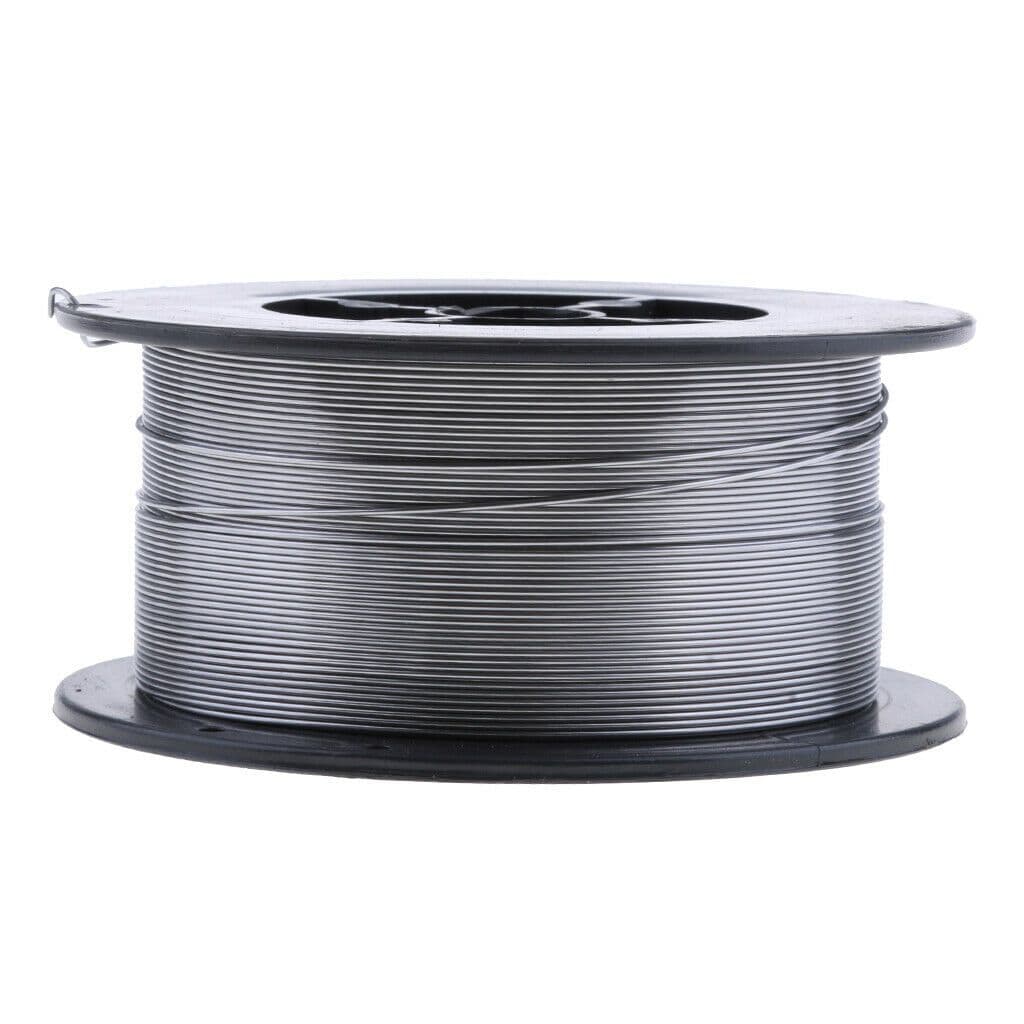
ESAB OK Autrod NiCrMo-3
ESAB's OK Autrod NiCrMo-3 delivers tight chemistry control, smooth feeding and consistent spool quality targeted at automated and precision welding of nickel alloy components in industrial production. Versus Techalloy 625 and the other wires here it is positioned as a premium, consistency-focused option that may carry a slightly higher unit price but reduces process variation and scrap for high-volume manufacturers working with nickel alloy filler wire.

Hobart ERNiCrMo-3
Hobart's ERNiCrMo-3 is a value-oriented nickel-chromium-molybdenum filler wire offering good corrosion resistance and dependable weldability for maintenance, repair and fabrication work. It competes with Lincoln and ESAB by providing wide commercial availability and typically lower cost per spool, making it attractive for field work and non-critical applications where ultra-tight chemistry traceability is less important in the nickel alloy filler wire space.

Stoody Nickel 200
Stoody Nickel 200 is a pure nickel filler wire formulated for joining nickel, nickel-copper alloys and dissimilar metals when a high nickel content, ductility and galvanic compatibility are required. Within the nickel alloy filler wire selection it is a more specialized and often lower-cost alternative to Ni-Cr-Mo fillers like 625 or Inconel 82, providing excellent performance in reducing environments but without the pitting and crevice corrosion resistance of higher-alloyed wires.

Special Metals Inconel 82
Special Metals' Inconel 82 filler wire is a market-leading nickel-chromium alloy used extensively for dissimilar-metal welds and applications prone to hot cracking, prized for its strict metallurgy and traceability. Compared to generic ERNiCrMo wires it typically commands a premium price, but that cost is justified in critical petrochemical, nuclear and high-temperature applications where alloy consistency and documented material history in the nickel alloy filler wire category are essential.

Scientific Basis: Why Nickel Alloy Fillers Work
Research and industry testing show that nickel-rich filler wires provide a balance of corrosion resistance, toughness, and high-temperature strength. Key alloying elements such as chromium and molybdenum form protective passive films and increase resistance to localized attack. Studies and standardized tests used by manufacturers and labs, including ASTM and AWS test methods, assess properties such as pitting resistance, tensile strength at elevated temperature, and hydrogen uptake. Welding procedure, filler selection, and post-weld heat treatment all influence final performance. For engineers and fabricators, understanding these mechanisms helps match filler chemistry and process parameters to service conditions.
High nickel content improves general corrosion resistance and toughness in reducing and oxidizing environments.
Chromium and molybdenum increase pitting and crevice corrosion resistance, important for chloride-bearing marine and chemical environments.
Nickel alloys retain mechanical strength at elevated temperatures, making them suitable for power generation and heat-exposed components.
Hydrogen compatibility depends on microstructure and alloy chemistry; some fillers are optimized to reduce hydrogen embrittlement risk in hydrogen-service systems.
Proper welding procedure qualification, filler selection, and post-weld treatment are essential; standards like AWS and ASME provide test frameworks commonly used in Canada.
Frequently Asked Questions
Which nickel alloy filler wire is best for repairs?
Lincoln Electric Techalloy 625 is a strong repair choice because it’s specifically used for “fabrication, repair and critical-service component” work and has an average rating of 4.7.
Does ESAB OK Autrod NiCrMo-3 feed well in automation?
Yes—ESAB OK Autrod NiCrMo-3 is “engineered for reliable feedability in mechanized GMAW and robotic welding systems” and targets corrosion and heat resistance equivalent to ERNiCrMo-3 (Inconel 625), with a 4.6 rating.
How much do Lincoln Techalloy 625 spools cost?
The provided product data doesn’t list a price for Lincoln Electric Techalloy 625, so I can’t compare value or cost versus ESAB OK Autrod NiCrMo-3 or Hobart ERNiCrMo-3 from these details.
Are these nickel alloy wires Inconel 625 compatible?
Lincoln Electric Techalloy 625 is “Inconel 625-compatible,” and ESAB OK Autrod NiCrMo-3 is a “production-grade NiCrMo filler equivalent to ERNiCrMo-3 (Inconel 625),” while Hobart ERNiCrMo-3 “matches Inconel 625 performance.”
Conclusion
In the Canadian context the best nickel alloy filler wire depends on the application: Lincoln Electric Techalloy 625 is a versatile choice for high-strength, corrosion-resistant joints and is our top overall pick for 2026; ESAB OK Autrod NiCrMo-3 and Hobart ERNiCrMo-3 are strong options for molybdenum-bearing nickel alloys where resistance to reducing acids and chloride stress is needed; Stoody Nickel 200 supplies commercially pure nickel performance for specific corrosion applications; and Special Metals Inconel 82 is a proven choice for nickel-chromium surfacing and dissimilar metal welding. We hope you found what you were looking for. You can refine or expand your search using the site search to compare specifications, certifications, and supplier availability across Canada.