

Best 5 Laboratory Differential Pressure Flow Systems in Canada — 2026
Laboratory differential pressure flow measurement systems use nozzles, orifice plates, Venturi tubes and Pitot arrangements paired with high-precision differential pressure transmitters to deliver repeatable, validated flow results for aerodynamic, engine and process laboratories. In Canada these systems are prized for their proven uncertainty budgets, long-term stability, and compatibility with flow calculation software and laboratory information systems. Canadian customers and test labs prioritize traceable calibration, local support and service, rugged performance in variable environmental conditions, and digital connectivity for data logging and Industry 4.0 workflows. Whether used in aerospace wind tunnels, engine test cells, environmental chambers or process R&D labs, DP-based systems remain a cost-effective and well-understood approach for wide-range flow measurement and metrological certainty.
Inception's AI took the time to understand this market in Canada · · How we pickWe may earn a commission on purchases. It never affects our rankings.
Top Picks Summary
Rosemount 3051S Series Differential Pressure Flow Transmitter
The Rosemount 3051S holds a best-in-class position for laboratory differential pressure flow measurement due to its industry-leading accuracy, long-term stability and advanced digital diagnostics that reduce calibration frequency and life-cycle cost. Compared with the other transmitters in this list, the 3051S delivers superior metrological performance and predictive diagnostics that are especially valuable in laboratory workflows where traceability and minimal downtime matter most.

Estimated$2,500 – $6,000
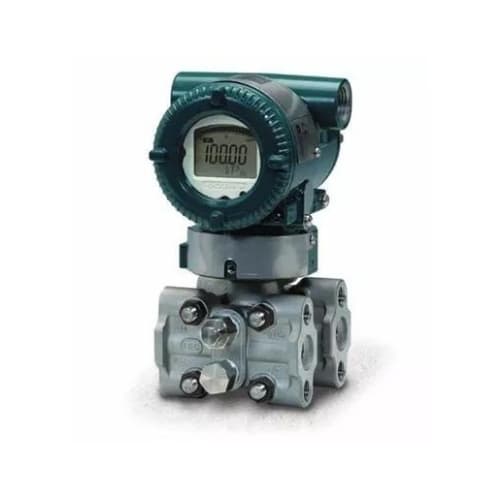
Yokogawa EJA110E Differential Pressure Transmitter
The Yokogawa EJA110E is positioned as a market-leading, cost-effective differential pressure transmitter for lab use because it combines reliable performance, compact size and fast response with a lower acquisition cost than many premium models. Against the other products listed, the EJA110E offers attractive price-to-performance for routine laboratory flow measurements while sacrificing some of the advanced diagnostics and extended stability of the higher-end models.
Estimated$1,800 – $4,000
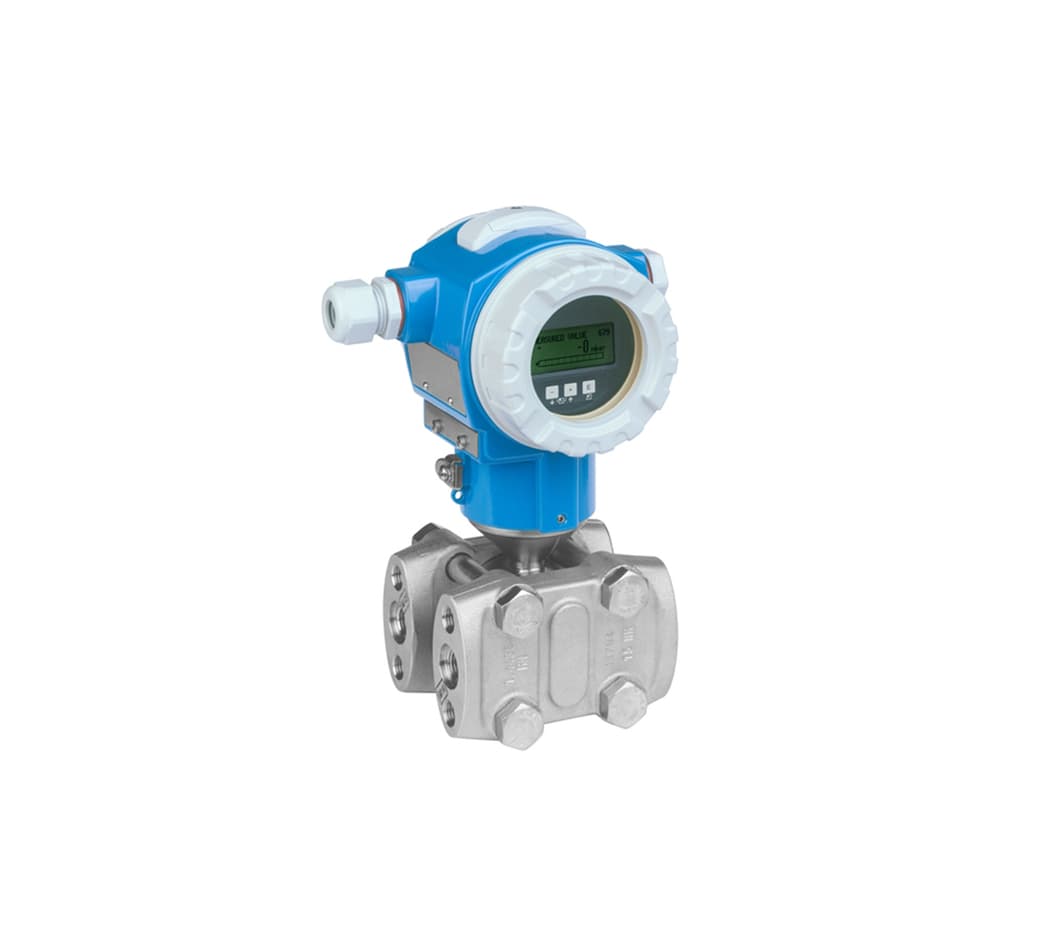
Endress+Hauser Deltabar PMD75
The Endress+Hauser Deltabar PMD75 stands out for laboratory differential pressure flow systems through its exceptional chemical compatibility, traceable calibration features and modular design that reduce experimental risk in critical or corrosive applications. Compared with the peers here, the PMD75 often carries a higher upfront cost but provides technical advantages in materials and certified calibration that lower operational risk and total cost of ownership for precision lab work.
Estimated$2,200 – $5,000
ABB 266DSH Differential Pressure Transmitter
The ABB 266DSH earns a market-leader spot for laboratory differential pressure flow measurement by offering robust performance, safety certifications and straightforward integration with industrial automation ecosystems at a competitive price point. Relative to the other transmitters, the 266DSH is notable for its ruggedness and low maintenance demands, making it a practical choice when labs require durable instruments without the premium cost of the highest-accuracy models.

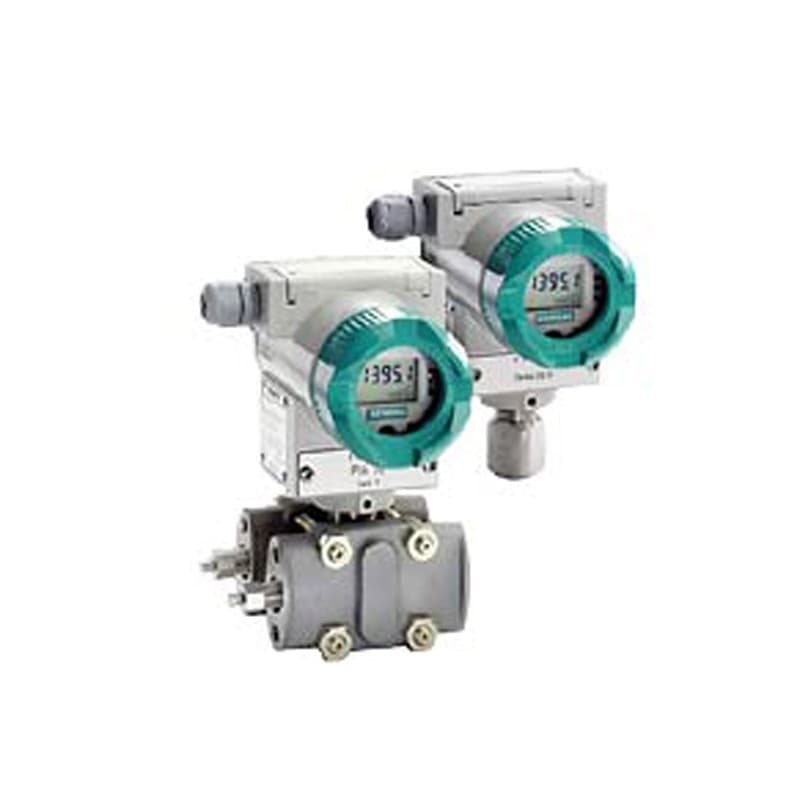
Siemens SITRANS P DS III
The Siemens SITRANS P DS III is a strong choice for laboratory differential pressure flow systems because it pairs accurate measurement and advanced diagnostics with seamless integration into Siemens control and automation platforms, lowering implementation and configuration costs for Siemens-centric labs. Compared to the other products listed, the SITRANS P DS III offers specific financial and technical advantages when control-system compatibility and centralized asset management are priorities.
Estimated$2,500 – $6,500
How DP Flow Measurement Is Backed by Research and Standards
Differential pressure flow measurement is founded on classical fluid mechanics and is supported by international standards and modern metrology practice. Standards such as ISO 5167 for orifice, Venturi and nozzle meters define geometry, installation and uncertainty analysis. Laboratory and calibration studies show that, when installed and calibrated correctly and paired with modern transmitters, DP systems can deliver predictable uncertainty and excellent repeatability across wide flow ranges. Recent advances in transmitter electronics, onboard diagnostics and digital communications have improved stability, reduced drift, and simplified integration with flow calculation software and laboratory data systems.
Key standards: ISO 5167 series for DP flow devices and recognized calibration traceability to national labs (NRC/NIST) used in Canadian labs.
Peer-reviewed and calibration laboratory reports indicate properly configured DP systems routinely achieve low single-digit percent uncertainty and, in many lab setups, sub 1 percent expanded uncertainty for well-conditioned flows.
Modern transmitters with differential sensor technology, digital compensation and HART or fieldbus connectivity reduce long-term drift and support automated correction and diagnostic routines.
Flow calculation and uncertainty software that implement ISO 5167 algorithms simplify converting measured differential pressure to volumetric and mass flow, improving reproducibility between labs.
Best practice research highlights the importance of matched primary device geometry, correct upstream and downstream piping, and periodic calibration to maintain validated uncertainty.
Frequently Asked Questions
Which lab differential pressure transmitter should I buy?
For most lab differential pressure flow measurements, the Rosemount 3051S Series Differential Pressure Flow Transmitter is the safest pick because it has 4.7 rating and accuracy down to ~0.04% of span with advanced digital diagnostics to reduce calibration frequency.
Does the Yokogawa EJA110E have ~0.075% accuracy?
Yes—the Yokogawa EJA110E Differential Pressure Transmitter is listed with good lab accuracy for differential pressure applications at about ~0.075% class, plus HART communication for routine laboratory configuration.
How does the Rosemount 3051S price compare here?
The Rosemount 3051S Series Differential Pressure Flow Transmitter costs CA$3,772.02 and is rated 4.7, with ~0.04% of span accuracy and HART/FOUNDATION Fieldbus/PROFIBUS communication options.
Is Endress+Hauser Deltabar PMD75 good for corrosive labs?
Endress+Hauser Deltabar PMD75 is positioned for demanding and potentially corrosive media using remote seals and durable sensor materials, with a 4.6 average rating and built-in diagnostics plus multiple communication protocols.
Conclusion
In Canada, laboratory differential pressure flow systems remain a practical choice for labs that need validated uncertainty, long term stability and software-friendly integration. This page highlights the top options in 2026: Rosemount 3051S Series Differential Pressure Flow Transmitter, Yokogawa EJA110E Differential Pressure Transmitter, Endress+Hauser Deltabar PMD75, ABB 266DSH Differential Pressure Transmitter and Siemens SITRANS P DS III. For many Canadian research and calibration labs the Rosemount 3051S Series stands out as the best overall choice because of its combination of stability, digital diagnostics and wide service support, though the other models excel in niches such as compact installations, extreme process conditions or specific communication stacks. I hope you found what you were looking for; you can refine or expand your search using the search box to filter by transmitter features, calibration options, or Canadian service partners.