

Top 5 Universal Testing Machines in Canada for 2026
Published on Saturday, January 24, 2026
Universal testing machines in Canada serve labs and production facilities that need precise tensile, compression, bend and shear testing across metals, plastics and composites. Electromechanical and servo-hydraulic systems are the core options, with electromechanical models offering high-precision, low-rate control and servo-hydraulic platforms enabling high-speed and high-force tests. Modern units emphasize digital controls, integrated data acquisition, modular grips and fixtures, and software that supports automated sequences and standards compliance. Canadian buyers increasingly prioritize repeatability, traceable calibration, local technical support, compatibility with ASTM and ISO test methods, and features that reduce operator time such as quick-change grips and Industry 4.0 connectivity. These preferences make universal testing equipment attractive for R and D, quality assurance, certification, and in-line production qualification across automotive, aerospace, medical device and polymer manufacturing.
Top Picks Summary
Instron 6800 Series Universal Testing System
The Instron 6800 Series is a market-leading universal testing platform known for its modular architecture, industry-standard Bluehill software, and broad global service network, which together deliver high throughput and predictable total cost of ownership for lab and production environments. It holds its position by combining advanced automation and data integration that often outperforms smaller or more niche systems on scalability and ecosystem support, although that capability comes at a premium compared with more compact or budget-focused competitors. Widely available and supported, the 6800 is frequently chosen when long-term upgradeability and extensive application libraries are required for universal testing.
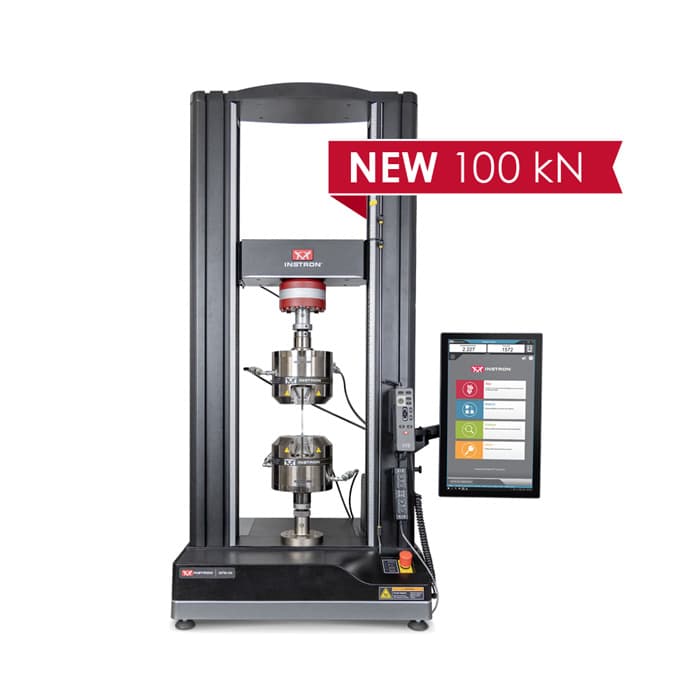
Where to buy Instron 6800 Series Universal Testing System in Canada: the trusted retailers we track in this market, with the best price we have observed at each. Prices are checked regularly and can change, and the retailer confirms the final price at checkout.
We may earn a commission on purchases. It never affects our rankings.
$60,000 – $200,000
MTS Criterion Model 43 Electromechanical Universal Test System
The MTS Criterion Model 43 is engineered for precision electromechanical testing with strong motion-control and high stiffness that make it well suited for R&D and materials characterization where control fidelity matters. It differentiates itself from competitors by offering robust dynamic control and extensible sensor integration, appealing to labs that need repeatable, high-accuracy results across a range of rates and specimen types; this technical focus can justify higher initial investment for demanding test programs. Positioned as a specialty system compared with general-purpose UTM suppliers, it balances advanced control capability with long-term serviceability.

Where to buy MTS Criterion Model 43 Electromechanical Universal Test System in Canada: the trusted retailers we track in this market, with the best price we have observed at each. Prices are checked regularly and can change, and the retailer confirms the final price at checkout.
We may earn a commission on purchases. It never affects our rankings.
$50,000 – $160,000
ZwickRoell zwickiLine Universal Testing Machine
The ZwickRoell zwickiLine delivers dependable European engineering in a compact, cost-efficient package aimed at QA and routine materials testing where footprint and operating cost matter. It stands out against higher-end systems by offering strong standards compliance, straightforward tooling, and lower acquisition and maintenance expenses, making it an attractive option for laboratories that prioritize predictable budget performance over extensive automation. For many users the zwickiLine represents the best value when consistent, certified results are needed without the premium of advanced software ecosystems.
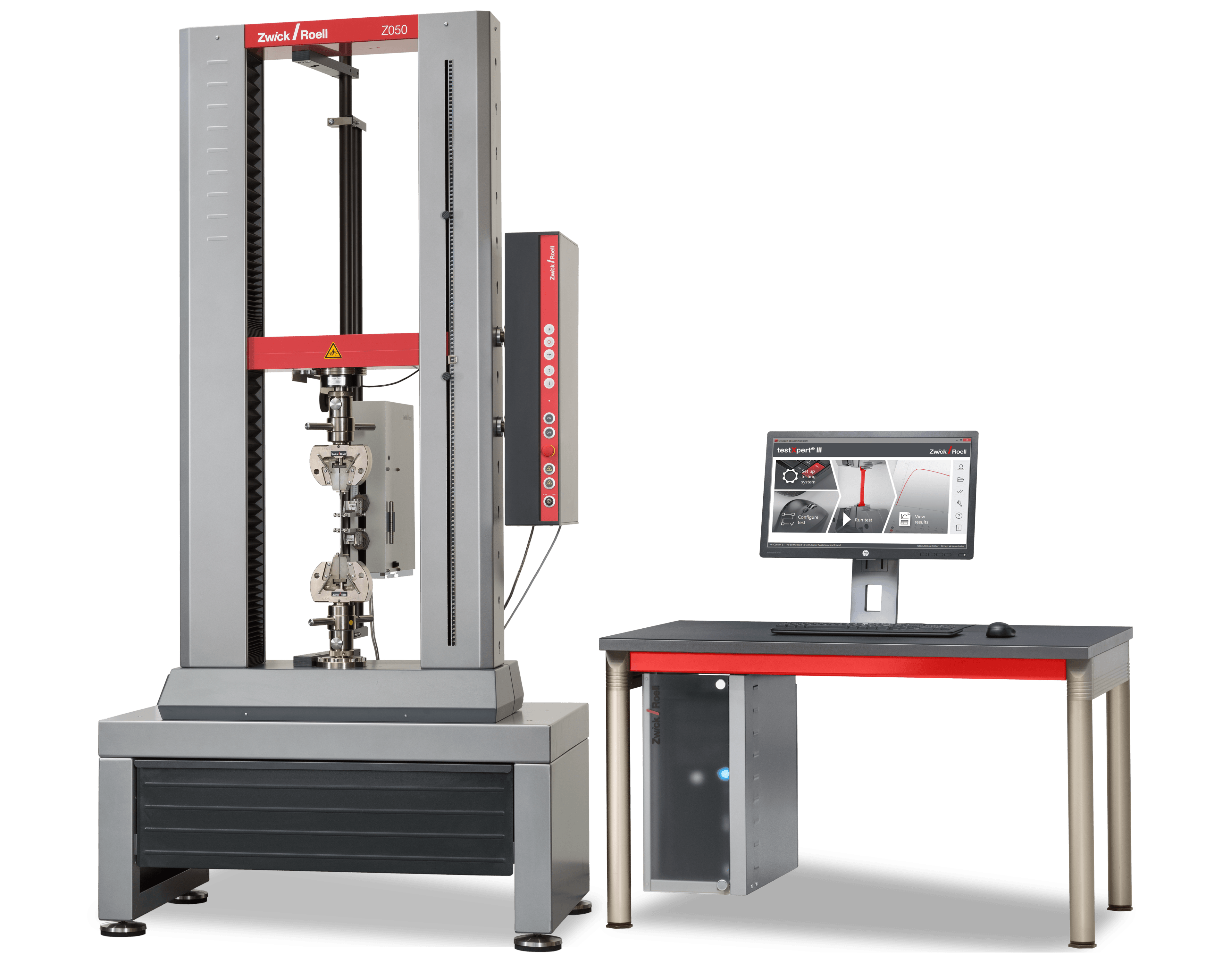
Where to buy ZwickRoell zwickiLine Universal Testing Machine in Canada: the trusted retailers we track in this market, with the best price we have observed at each. Prices are checked regularly and can change, and the retailer confirms the final price at checkout.
We may earn a commission on purchases. It never affects our rankings.
$35,000 – $120,000
Shimadzu AGX-V Series Universal Testing Machine
The Shimadzu AGX-V Series is notable for its high-precision drive control and excellent force and displacement measurement accuracy, making it a favorite for micro-to-medium force testing and applications requiring refined data fidelity. It competes strongly on technical merit and regional price competitiveness—especially in Asian markets—offering advanced control features and optional environmental integration that rival top-tier systems while sometimes undercutting them on price. Available worldwide through Shimadzu's established distribution, the AGX-V is chosen when measurement resolution and control nuance are top priorities.
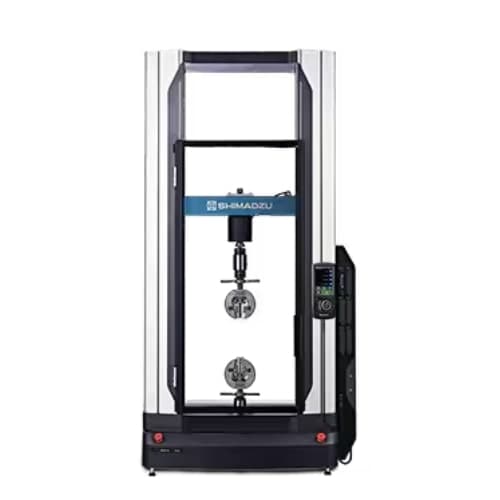
Where to buy Shimadzu AGX-V Series Universal Testing Machine in Canada: the trusted retailers we track in this market, with the best price we have observed at each. Prices are checked regularly and can change, and the retailer confirms the final price at checkout.
We may earn a commission on purchases. It never affects our rankings.
$55,000 – $170,000
Tinius Olsen ST Series Universal Testing Machine
The Tinius Olsen ST Series emphasizes rugged, long-lived mechanical design and straightforward operation, delivering dependable tensile and compression testing at a comparatively low total acquisition cost. It is often selected by quality-control labs and educational institutions that need reliable, easy-to-maintain equipment without the complexity (and cost) of advanced automation or large software ecosystems found in some competitors. While it may lack the newest control features of premium instruments, the ST Series offers strong return on investment for standardized, routine universal testing tasks.
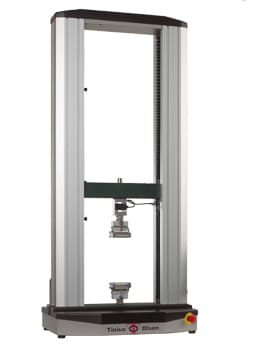
Where to buy Tinius Olsen ST Series Universal Testing Machine in Canada: the trusted retailers we track in this market, with the best price we have observed at each. Prices are checked regularly and can change, and the retailer confirms the final price at checkout.
We may earn a commission on purchases. It never affects our rankings.
$30,000 – $110,000
Why Universal Testing Machines Matter: Evidence and Standards
The performance benefits of modern universal testing machines are supported by international standards and peer-reviewed research. Standards such as ASTM and ISO define test methods for tensile, compression, flexural and shear testing and specify requirements for machine stiffness, gripping, and data acquisition. Independent laboratory studies and Canadian research centers have validated that electromechanical systems provide superior displacement control and low-noise data for slow, high-precision tests, while servo-hydraulic systems are more effective for high-rate and high-capacity applications. Integrated digital controls and synchronized data acquisition reduce measurement error, improve repeatability, and make comparison across labs more reliable. For engineers and lab managers, selecting a system that meets recognized standards and includes traceable calibration is a practical way to ensure regulatory compliance and defensible test results.
ASTM and ISO test standards define procedures and machine requirements that drive equipment selection and ensure results are comparable across labs.
Electromechanical systems are documented to produce low-noise, high-resolution displacement and load data for quasi-static tests.
Servo-hydraulic platforms are preferred for dynamic, high-strain-rate testing where fluid power delivers higher forces and faster response.
Studies and validation work at national and university labs emphasize the benefit of synchronized, high-sampling-rate data acquisition to capture transient events and reduce uncertainty.
Modular grips and quick-change fixtures reduce downtime and increase throughput, a finding reinforced by case studies in manufacturing environments.
Traceable calibration to national standards improves confidence in certification testing and facilitates audits and product approvals.
Frequently Asked Questions
Which universal testing machine should I choose for QA labs?
Choose the ZwickRoell zwickiLine Universal Testing Machine for QA and routine tensile, compression, and bend tests; it includes ZwickRoell testXpert software and has a 4.4 average rating.
Does the MTS Criterion Model 43 handle dynamic cyclic testing?
Yes—the MTS Criterion Model 43 Electromechanical Universal Test System is designed for static and dynamic/cyclic testing, with accurate crosshead control and integration with MTS TestSuite software.
What do I get for the price of the Instron 6800 series?
The provided data doesn’t list a price for the Instron 6800 Series Universal Testing System, but it states it’s typically supplied with Instron Bluehill Universal software for data acquisition and compliance reporting.
Are the ZwickRoell zwickiLine models good for education labs?
Yes—the zwickiLine is described as having interchangeable grips and extensometers suited to education and QC labs, paired with ZwickRoell testXpert software.
Conclusion
In Canada, the choice of a universal testing machine depends on test rate, force range, sample types and service expectations. The five top picks profiled here are the Instron 6800 Series Universal Testing System, MTS Criterion Model 43 Electromechanical Universal Test System, ZwickRoell zwickiLine Universal Testing Machine, Shimadzu AGX-V Series Universal Testing Machine, and Tinius Olsen ST Series Universal Testing Machine. For most Canadian research labs and production sites seeking a balance of modularity, software capability and widespread service support, the Instron 6800 Series is the best overall choice. We hope you found the information you were looking for; you can refine or expand your search using the search box to compare specifications, regional suppliers, or accessories and calibration services.