

Top 7 Smoke and Heat Detectors for Laboratory Safety in Canada: 2026 Guide
Published on Wednesday, July 22, 2026
This category covers laboratory-grade smoke and heat detectors engineered for the unique challenges of research and industrial labs in Canada. Products include photoelectric, ionization, aspirating and fixed heat detectors designed to work in environments with high air change rates, fume hoods, specialized ventilation, and particulate or vapor loads. Key features highlighted are contamination resistant housings, adjustable sensitivity settings, multi-sensor logic to reduce false alarms, and integration options for building management and emergency response systems. Canadian buyers prefer detectors that combine early, reliable detection with low nuisance alarm rates, easy maintenance, and compliance with recognized safety standards. For procurement officers, lab managers, and safety professionals, this category balances precise detection, longevity in harsh conditions, and interoperability with modern alarm and monitoring infrastructure.
Top Picks Summary
The Kidde P3010B earns a best‑in‑class spot for pairing a dependable photoelectric sensing chamber with a 10‑year sealed battery that removes routine battery replacement costs and simplifies maintenance. It is a strong value play compared with smart, feature‑rich models like the Nest Protect because it focuses on low total cost of ownership and straightforward, plug‑and‑play reliability for everyday residential protection. For buyers prioritizing long service life and minimal upkeep over app connectivity, the P3010B is a practical top choice.
Show More Photoelectric Smoke Detectors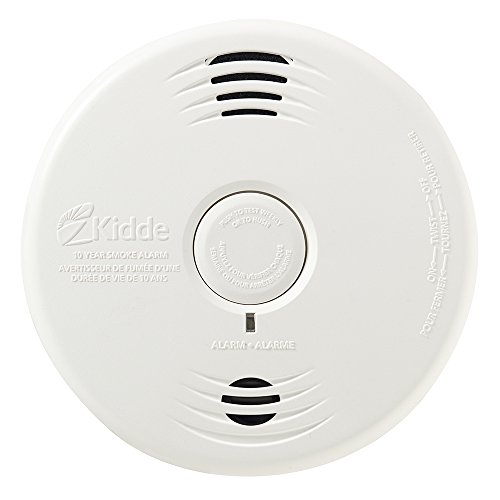
The BRK 9120B is positioned as the market-leader choice for whole-home and professional installations, notable for its durable build quality and features that accommodate interconnected and code-oriented setups. Compared with the battery-centric Kidde and First Alert models in this list, the 9120B typically targets buyers willing to pay more up-front for a longer-lasting, installation-grade solution that reduces long-term risk and meets stricter installation requirements. Its stronger professional adoption translates to higher initial cost but lower lifecycle risk for homeowners seeking a robust, interoperable ionization option.
Show More Ionization Smoke Detectors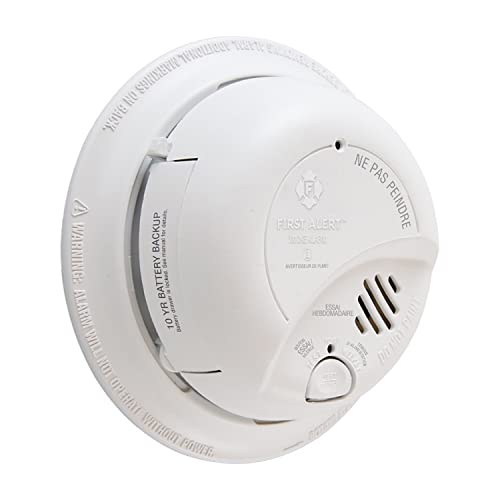
The VESDA-E VEA is positioned as a best-in-class aspirating smoke detector for small- to medium-sized critical spaces, offering very high sensitivity and intelligent filtering that reduces nuisance alarms compared with conventional detectors. It stands out in this list for its proven early-warning performance and scalable VESDA ecosystem, trading a higher initial purchase price for lower lifecycle costs through reduced false alarms and less maintenance compared with simpler, lower-cost units like the FAAST LT or FIREscape ASD.
Show More Aspirating Smoke Detection Systems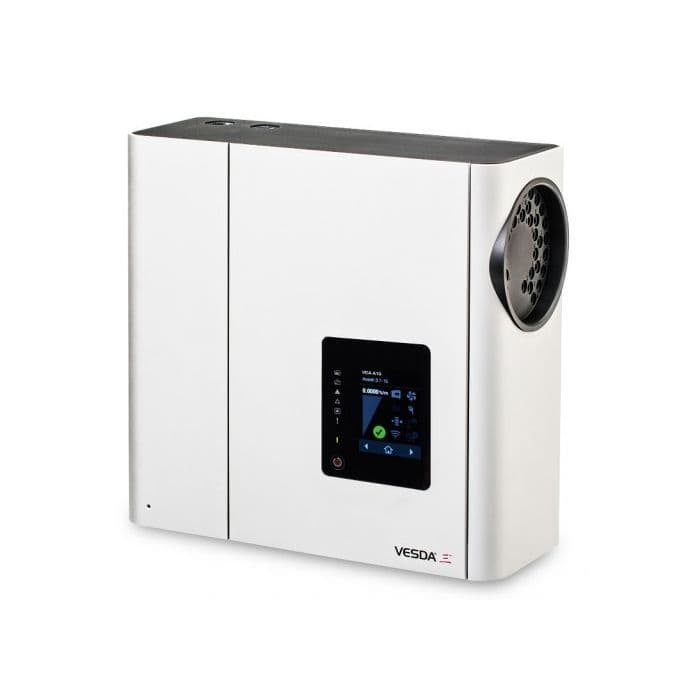
BRK 3120B Hardwired Photoelectric and Ionization Smoke Alarm
The BRK 3120B is a durable, industry-standard dual-sensor smoke alarm designed for reliable baseline protection in the "Multi Sensor Smoke and Heat Detectors" space; it emphasizes straightforward performance and compatibility with conventional wiring and mounting. Compared with the combination smoke/CO units (First Alert SC9120BCA, Kidde 900-CUACA) and the smart Nest Protect, BRK’s model offers a lower-cost, low-complexity technical profile that appeals to large-scale or budget-focused installations where proven detection behavior and ease of replacement are priorities.
Show More Multi Sensor Smoke and Heat Detectors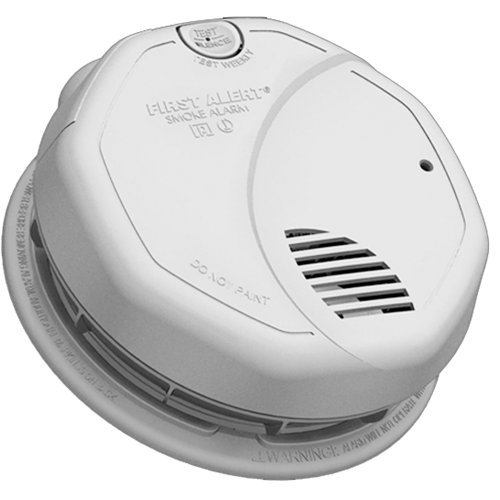
Kidde HD135F Fyrnetics Hardwired Heat Detector
The Kidde HD135F is a straightforward, cost-effective fixed-temperature heat detector prized for dependable operation in fixed-temperature applications; it earns a best-in-class spot for projects where predictable trip thresholds and low lifecycle cost matter most. Compared with the more feature-rich or addressable units on this list, the HD135F trades advanced diagnostics and network integration for simpler installation, reduced maintenance and lower upfront hardware expense—making it ideal for basic commercial and residential fixed temperature and rate-of-rise heat detection needs.
Show More Fixed Temperature and Rate of Rise Heat Detectors
The System Sensor D4120 is presented as a best-in-class duct and hood mounted detector for its sensitive optical chamber and easy-to-install sampling tube that reduce installation time and nuisance alarms in HVAC plenums. It stands out against the competition by balancing high sensitivity with cost-effective maintenance and broad compatibility with conventional and addressable control panels, offering a lower total cost of ownership compared with some more feature-rich but pricier alternatives.
Show More Duct and Hood Mounted Detectors
Notifier FSP-851 Addressable Smoke Detector
The Notifier FSP-851 is a feature-rich intelligent addressable detector optimized for deep integration with Notifier control panels and scalable networks, delivering consistent firmware support and streamlined commissioning for large systems. While its unit price is comparable to Honeywell’s offerings, its main advantage is ecosystem cohesion—deploying FSP-851s across a facility can reduce engineering, testing and long-term support costs versus mixed-brand networks like those including Mircom or Siemens.
Show More Contamination Resistant and Sensitivity Adjustable Detectors
Evidence and Research Behind Laboratory Detectors
Decades of fire science and field studies inform how detectors perform in laboratory settings. Research by fire protection organizations and peer reviewed studies demonstrate trade offs between detector types and show how multi-sensor designs, aspirating systems, and heat detection improve response while reducing false alarms in challenging environments. The evidence supports choosing detectors that match the lab's ventilation profile, contaminant loads, and operational tolerance for nuisance alarms. Integration with monitoring systems and scheduled maintenance further multiplies the safety benefits by ensuring timely alerts and verifiable performance.
Photoelectric sensors perform best for smoldering or low temperature particle events common in material testing and chemical processes.
Ionization sensors detect fast flaming events more quickly, but are more likely to pick up small particulates; pairing sensor types or using multi-sensor logic reduces missed events and false alarms.
Aspirating detection systems sample air continuously and can provide the earliest warning, especially useful in large labs, cleanrooms, and under hoods where dilution by ventilation would delay conventional alarms.
Fixed heat detectors are reliable in dusty or vapor rich areas where smoke sensors may foul; they are appropriate for spaces with high airflow or where smoke transport is unpredictable.
Contamination resistant designs and regular maintenance extend service life and preserve sensitivity, reducing lifecycle cost and downtime.
Studies show that combining detection with alarm management and verification routines significantly lowers nuisance alarms without delaying genuine responses.
Frequently Asked Questions
Which detector is better for labs needing early warning?
For small- to medium-sized critical lab spaces, the Xtralis VESDA-E VEA aspirating smoke detector is a strong fit because it uses high-sensitivity optical detection for early warning and micro-smoke sensing, with an average rating of 4.6.
What exact battery life and sensor type does SA320CN use?
The First Alert SA320CN uses a 10-year sealed lithium battery and an ionization sensor optimized to detect small flaming particles quickly; it also includes a hush/silence feature and end-of-life warning, with an average rating of 4.6.
Is the Edwards duct housing worth 253.95 CAD?
The Edwards EST SIGA-DH duct detector housing costs 253.95 CAD and is designed to accept a variety of compatible smoke detector heads, with pre-drilled conduit entries, an access door, and sampling tube provision; it has an average rating of 4.7.
Can the VESDA-E VEA support remote monitoring for labs?
Yes—Xtralis VESDA-E VEA includes local display and remote monitoring options with VESDAnet support, and its single-channel design supports easy pipe routing and configurable sampling; it has an average rating of 4.6.
Conclusion
In Canada, labs are increasingly adopting multi-sensor and aspirating detectors plus smarter integration to meet safety and operational needs. We hope this guide helped you identify the right detector types and features for your laboratory. If you want to refine or expand your search by feature, certification, price, or installation scenario, use the search to narrow results and compare the top options.