

Top 5 Cleanroom Coveralls in Canada (2026) — Low Particulate, Antistatic, Lint-Free
Published on Saturday, January 24, 2026
Cleanroom coveralls are low particulate shedding garments engineered for cleanroom and controlled environment applications. In Canada these coveralls are widely used in semiconductor fabrication, pharmaceutical production, biotechnology labs, and precision automotive component manufacturing where particle control, static control, and contamination prevention are critical. Buyers prefer materials and designs that combine verified low-lint performance, antistatic properties, breathability and comfort for long shifts, validated sterile options for aseptic processes, and compliance with cleanroom standards such as ISO 14644. Decision factors in the Canadian market also include supply reliability, local distributor support, waste and sustainability considerations, and total cost of ownership for single-use versus reusable systems.
Top Picks Summary
DuPont Tyvek IsoClean Coverall
DuPont Tyvek IsoClean is positioned as a best-in-class, cost-efficient single-use coverall that balances excellent particle barrier performance with breathability and durability, making it a common choice across ISO-rated cleanrooms. Compared with the sterile options on this list it delivers lower cost-per-use for non-aseptic work, and versus premium microporous garments it offers simpler disposal and ready availability for high-throughput operations.

Kimberly-Clark Kimtech A5 Sterile Cleanroom Coverall
Kimberly-Clark Kimtech A5 Sterile coveralls are built for aseptic environments where pre-sterilization, low bioburden and consistent particle control are critical, giving them an edge in regulated pharmaceutical and medical-device processes. They typically carry a premium price versus non-sterile alternatives like VWR or standard Tyvek, but their out-of-the-box sterility and low-lint construction reduce downstream sterilization and process validation costs.
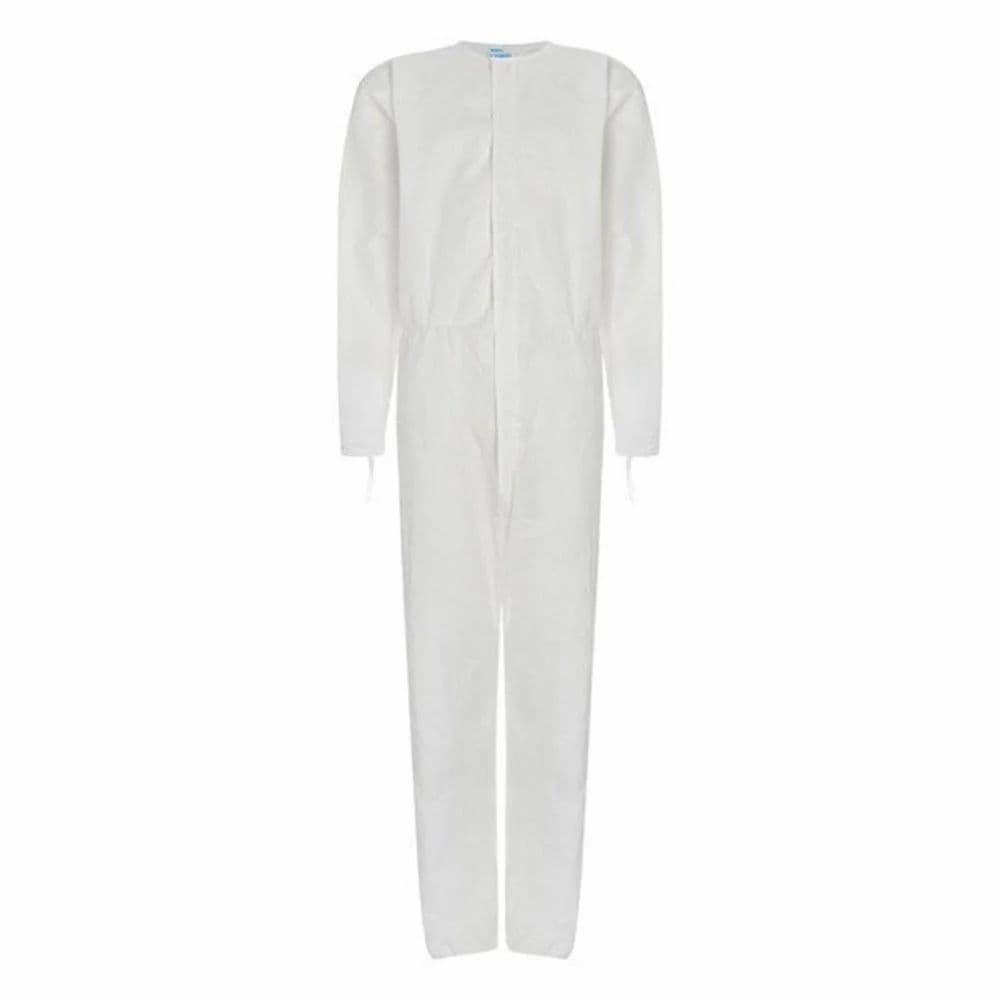
VWR Cleanroom Coverall
VWR's Cleanroom Coverall is a broadly available, value-oriented option that suits general-purpose cleanroom work and large-volume purchasing for facilities where tightly constrained aseptic control is not required. While it lacks some of the specialized sterile certification or the ultralow-shed fabrics of the other brands, its competitive pricing and supply-chain reach make it financially attractive for routine tasks and consumable stock.
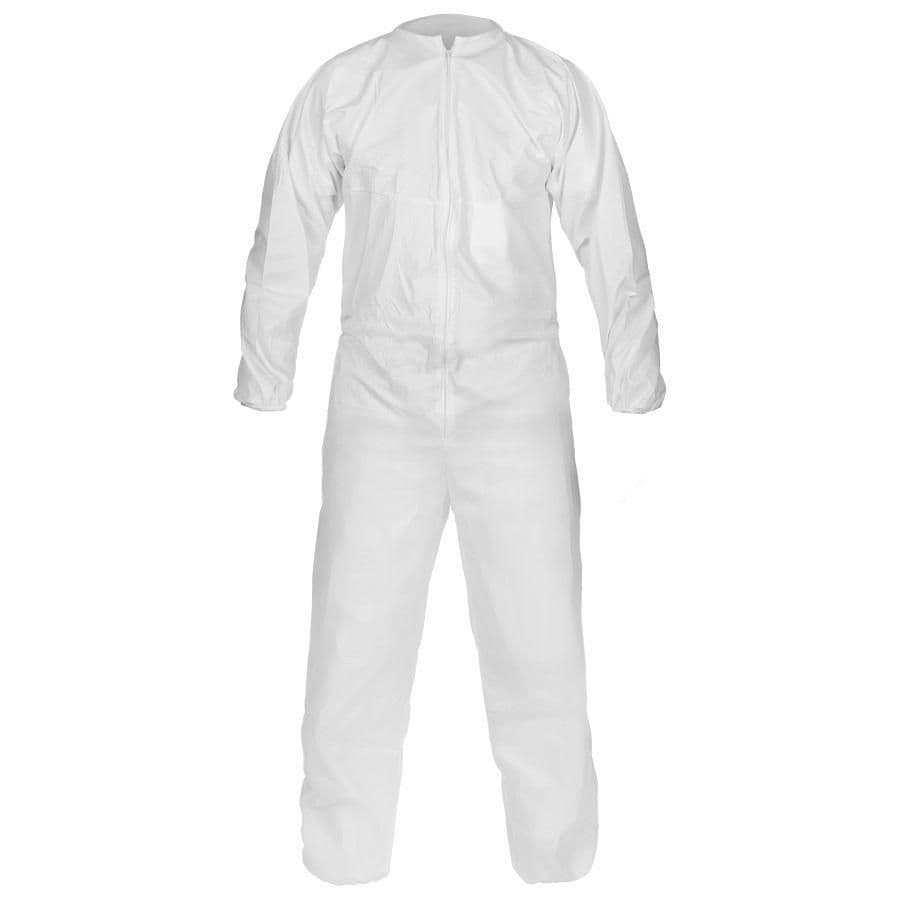
Ansell BioClean-D Sterile Coverall
Ansell BioClean-D Sterile coveralls are engineered for the highest aseptic and biotech applications, offering taped seams, validated sterility and enhanced particle containment that justify their premium cost in contamination-sensitive processes. Compared to Kimberly-Clark's sterile offering, Ansell emphasizes robust barrier integrity and specific performance claims for biological contamination control, making it a market leader where validation and operator protection are paramount.
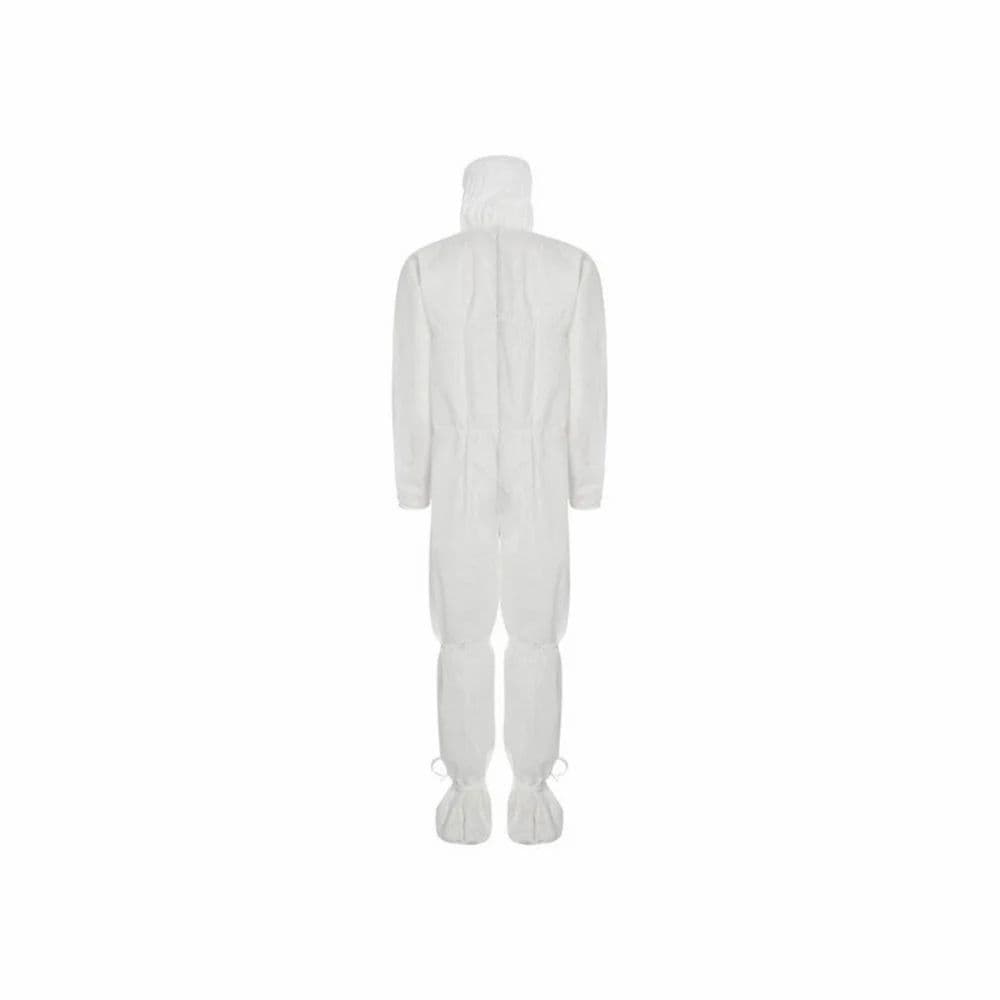
Lakeland MicroMax NS Coverall
Lakeland MicroMax NS coveralls are a premium microporous, low-shed solution designed for ultra-clean environments where particulate control and wearer comfort both matter, reducing contamination risk while improving operator tolerance during long shifts. Although typically more expensive than basic Tyvek or generic VWR garments, their superior breathability and minimal particle generation can lower defect rates and overall process costs in high-sensitivity manufacturing.

Why cleanroom coveralls work: research and practical evidence
Scientific and industry studies support the role of purpose-built cleanroom garments in reducing particle and microbial contamination in controlled environments. Research typically examines particle emission rates, electrostatic behavior, and barrier performance of different fabrics and designs. Results consistently show that nonwoven and tightly engineered multilayer materials shed fewer particles than ordinary workwear, that antistatic finishes reduce electrostatic discharge and attraction of particles, and that proper fit and seam construction limit particle release during movement. For practitioners, this means selecting coveralls that match the required ISO class, validated for the intended process, and used with established gowning and handling procedures.
Particle emission testing shows nonwoven spunbond and laminate constructions produce lower particle counts than standard woven garments in dynamic movement tests.
Electrostatic control measurements demonstrate that antistatic finishes and dissipative fabrics reduce charge accumulation and lower the risk of electrostatic discharge events in sensitive semiconductor processes.
Microbial transfer studies indicate sterile or validated barrier coveralls reduce the risk of biological contamination in pharmaceutical aseptic operations compared to non-sterile alternatives.
Fit, seam sealing, and closure design are as important as fabric choice: poor fit or open seams significantly increase particle release during routine movement.
Life-cycle and laundering studies illustrate trade-offs: reusable garments can lower waste and cost over time if laundered and requalified correctly, while single-use sterile coveralls minimize cross-contamination risk but generate more solid waste.
Frequently Asked Questions
Which coverall should I buy for ISO cleanrooms?
Choose the DuPont Tyvek IsoClean Coverall for ISO-rated cleanrooms; it uses low-linting Tyvek for superior particle control, ultrasonically sealed seams, and antistatic treatment, with an average rating of 4.6.
Does the DuPont Tyvek IsoClean have antistatic seams?
Yes—the DuPont Tyvek IsoClean Coverall includes ultrasonically sealed seams plus antistatic treatment to reduce contamination and static build-up, and it has an average rating of 4.6.
What price and value do I get with VWR coverall?
The VWR Cleanroom Coverall is a value-oriented option for general-purpose cleanroom work; it’s built from breathable SMS or polyester nonwoven with standard sealed seams, and it has an average rating of 4.3 (price not provided).
Is Kimtech A5 meant for sterile aseptic use?
Yes—the Kimberly-Clark Kimtech A5 Sterile Cleanroom Coverall is gamma-irradiated sterile packaging for aseptic and controlled environments, with composite cleanroom fabric, taped seams, and a covered zipper; average rating is 4.5 (warranty not provided).
Conclusion
In Canada for 2026, the cleanroom coverall category balances proven contamination control with comfort and supply reliability. Top options include the DuPont Tyvek IsoClean Coverall, Kimberly-Clark Kimtech A5 Sterile Cleanroom Coverall, VWR Cleanroom Coverall, Ansell BioClean-D Sterile Coverall, and Lakeland MicroMax NS Coverall. For many facilities the DuPont Tyvek IsoClean Coverall stands out as the best overall choice because of its track record for low particle shedding, broad validation, and strong distributor support in North America. We hope you found what you were looking for; use the search to refine by size, sterility, antistatic properties, or reusable versus single-use options to expand or narrow your results.