

Best Textured Grip Gloves in Canada 2026 — Top 5 Picks for Lab Precision
Textured grip gloves feature micro-roughened or patterned surfaces that enhance wet and dry grip on small instruments, vials, and tubing, improving safety and precision in laboratory handling tasks. In Canada, demand for textured gloves has grown across clinical labs, research facilities, biotech manufacturing, and quality control because they reduce slip-related errors while preserving tactile sensitivity. Canadian buyers prioritize nitrile-based textured gloves for their chemical resistance, latex-free properties, and consistent performance in variable temperature and humidity conditions. Procurement decisions also reflect a need for regulatory compliance, comfortable fit for extended wear, and options that balance cost with durability and sustainability.
Inception's AI took the time to understand this market in Canada · · How we pickWe may earn a commission on purchases. It never affects our rankings.
Top Picks Summary
Ansell MICROFLEX 93-260 Textured Nitrile Gloves
Ansell's MICROFLEX 93-260 sits as a best-in-class textured grip glove thanks to a proprietary nitrile formulation that balances superior tactile sensitivity with high puncture and chemical resistance, making it ideal for precision tasks that still demand protection. Compared with the other gloves in this list it offers a proven lower total cost of ownership for high-use environments through greater durability and consistent fit, even if unit price is higher than some commodity lab brands.

Estimated$200 – $320
Kimberly-Clark Purple Nitrile Exam Gloves
Kimberly-Clark's Purple Nitrile Exam Gloves are a market-leading choice for clinical and general-purpose use because of their comfortable fit, reliable textured fingertips and extensive distribution network that keeps prices competitive. Versus the other textured options here they trade slight premium tactile sensitivity for broad availability and volume discounts, making them a cost-effective standard for institutions that prioritize supplier reliability.

SHOWA 7500PF Biodegradable Nitrile Gloves
SHOWA's 7500PF combines textured grip performance with a biodegradable nitrile compound, offering a distinct environmental advantage for operations concerned about waste streams while maintaining strong wet and dry grip. Although its per-unit cost can be higher than basic lab brands, its end-of-life disposal benefits and comfortable, elastic fit provide measurable lifecycle and technical advantages over conventional nitrile gloves on this list.

Estimated$230 – $360
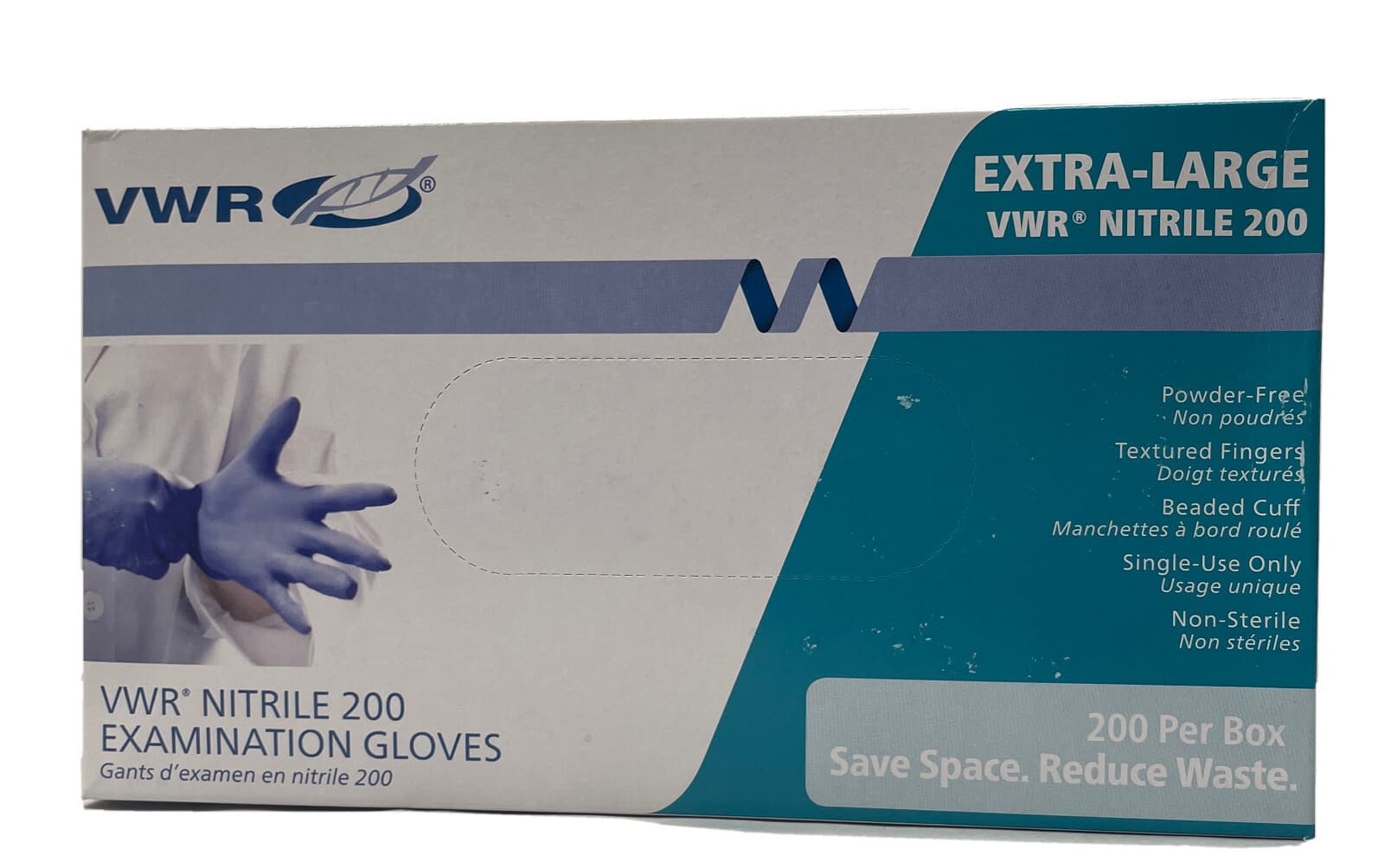
VWR Nitrile Examination Gloves with Textured Fingertips
VWR's nitrile examination gloves are positioned for lab and institutional buyers who need dependable textured fingertips at a competitive price, optimizing value through bulk purchasing and distributor support. Compared with premium specialty gloves like Ansell or SHOWA, VWR emphasizes affordability and consistent supply, though it may offer slightly less tactile sensitivity for fine-detail tasks.
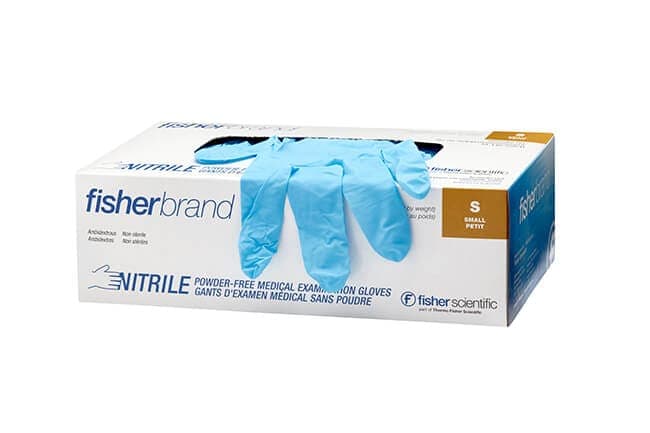
Fisher Scientific Fisherbrand Nitrile Gloves with Micro-Textured Grip
Fisherbrand's micro-textured nitrile gloves focus on precision handling and repeatable grip in laboratory settings, with a micro-texture engineered to enhance control in both wet and dry conditions. They sit between commodity exam gloves and high-end specialty options by delivering improved dexterity and procurement convenience through laboratory channels, often at a mid-range price point compared to the other textured grip gloves listed.
Estimated$160 – $300
Why texture matters: research-backed benefits of textured gloves
Laboratory and ergonomics research indicates that surface microtextures increase friction between a glove and a handled object, which lowers the force needed to hold small instruments and reduces the chance of drops or slippage. Studies comparing textured and smooth gloves show consistent improvements in grip performance in both wet and dry conditions, without substantially sacrificing tactile feedback when textures are designed for fine work. Material choice, pattern geometry, and thickness determine trade-offs between grip, dexterity, and protection; nitrile textures are widely recommended where chemical resistance and allergy avoidance are priorities.
Improved friction: Controlled microtexturing raises the coefficient of friction on handling surfaces, improving secure handling of vials, tubing, and small tools in wet or oily conditions.
Maintained dexterity: Properly designed textures concentrate grip where needed while preserving fingertip sensitivity, enabling precise pipetting, assembly, and inspection tasks.
Reduced incidents: Ergonomic studies link textured surfaces to fewer slip-related drops and faster task completion in repetitive handling workflows.
Material effects: Nitrile textured gloves combine good chemical resistance and puncture performance with reliable texture adhesion, making them a common choice in Canadian labs.
Standards and safety: Choose gloves that meet applicable standards for medical or industrial use (for example, EN 455 and EN 374 for Europe or ASTM specifications commonly referenced in North America) and comply with Health Canada requirements if used as medical devices.
Selection trade-offs: Thinner textured gloves increase sensitivity but may lower chemical permeation resistance; thicker textures improve grip but can reduce tactile acuity—select based on task risk and precision needs.
Conclusion
Whether you need textured gloves for delicate lab work, clinical handling, or light assembly, the right choice depends on material, texture pattern, thickness, and compliance with Canadian safety expectations. We hope this guide helped you find the right textured grip glove for your needs in Canada. If you want to refine or expand your results, use the search to filter by material, size, certification, or intended application.