

Top 5 Automated Laboratory Sample Preparation Stations in Canada - 2026 Guide
Published on Saturday, January 24, 2026
Automated laboratory sample preparation stations are integrated robotic workstations that combine grinding, dosing, digestion, filtration, and handling to enable unattended, high throughput sample preparation. In Canada these systems are increasingly used across clinical diagnostics, environmental testing, food safety, pharmaceutical R and D, and mineral analysis because they deliver consistent results, reduce manual handling risk, and speed throughput. Buyers in Canadian markets favor platforms that offer tight LIMS integration, barcode tracking, validated method recipes, Canadian technical support, compact footprints for shared facilities, and energy and consumables efficiency. Growing demand in public and private labs has driven modular designs and configurable automation that let teams scale capacity without redesigning workflows, while compliance with Health Canada, CFIA, and ISO-driven documentation needs makes traceability and audit-ready logs a core requirement.
Top Picks Summary
Hamilton Microlab STAR
The Hamilton Microlab STAR is positioned as a best-in-class automated sample preparation station thanks to its highly modular deck, precise syringe-based liquid handling and a strong ecosystem of tips and accessories that make it easy to tailor workflows for PCR, NGS and clinical assays. Compared with the other systems on this list it often delivers lower long-term cost of ownership for high-precision liquid handling tasks because of its robust hardware, scalable channel configurations and wide third-party integration options, making it a strong choice for labs that need reproducible, high-accuracy sample prep without frequently replacing core components.

$120,000 – $300,000
Tecan Fluent Automation Workstation
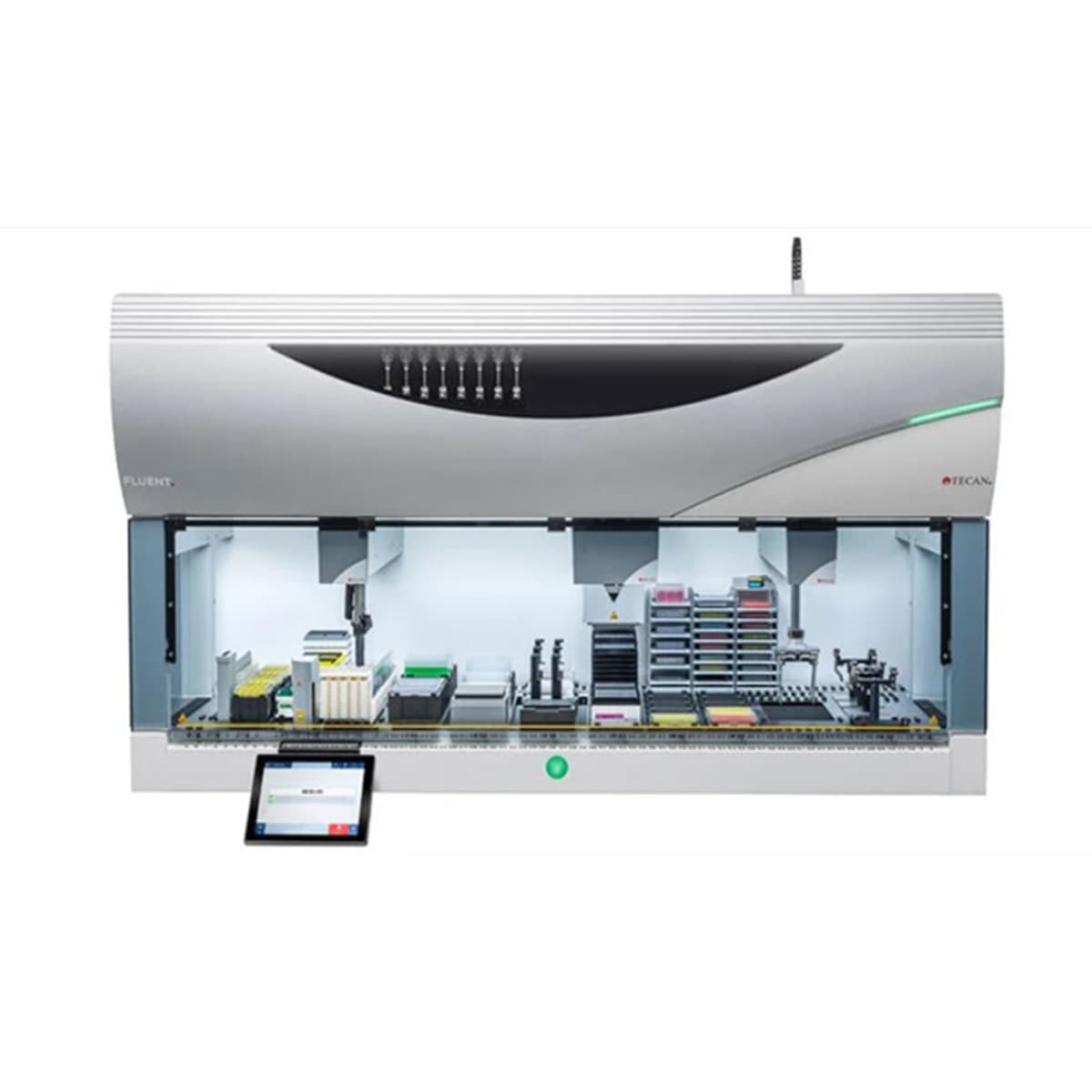
The Tecan Fluent Automation Workstation is a market-leading platform for high-throughput, complex sample preparation workflows, offering advanced software-driven scheduling and flexible deck architectures that accelerate run times and reduce per-sample cost. Compared with the other stations listed, Fluent stands out for its software sophistication and throughput optimization—trading a typically higher upfront investment for faster sample turnaround and easier scaling in genomics and drug discovery pipelines.
$150,000 – $375,000
Beckman Coulter Biomek i7
The Beckman Coulter Biomek i7 combines an intuitive user interface with a highly configurable deck and strong integration for nucleic acid extraction and plate-based assays, making it a market leader for clinical and research labs that need repeatable, validated workflows. Relative to the other platforms, the Biomek i7 often provides a good balance of throughput and ease of validation for regulated environments, offering competitive capital and operational economics for labs that prioritize streamlined method transfer and clinical compliance.

$140,000 – $320,000
Agilent Bravo Automated Liquid Handling Platform
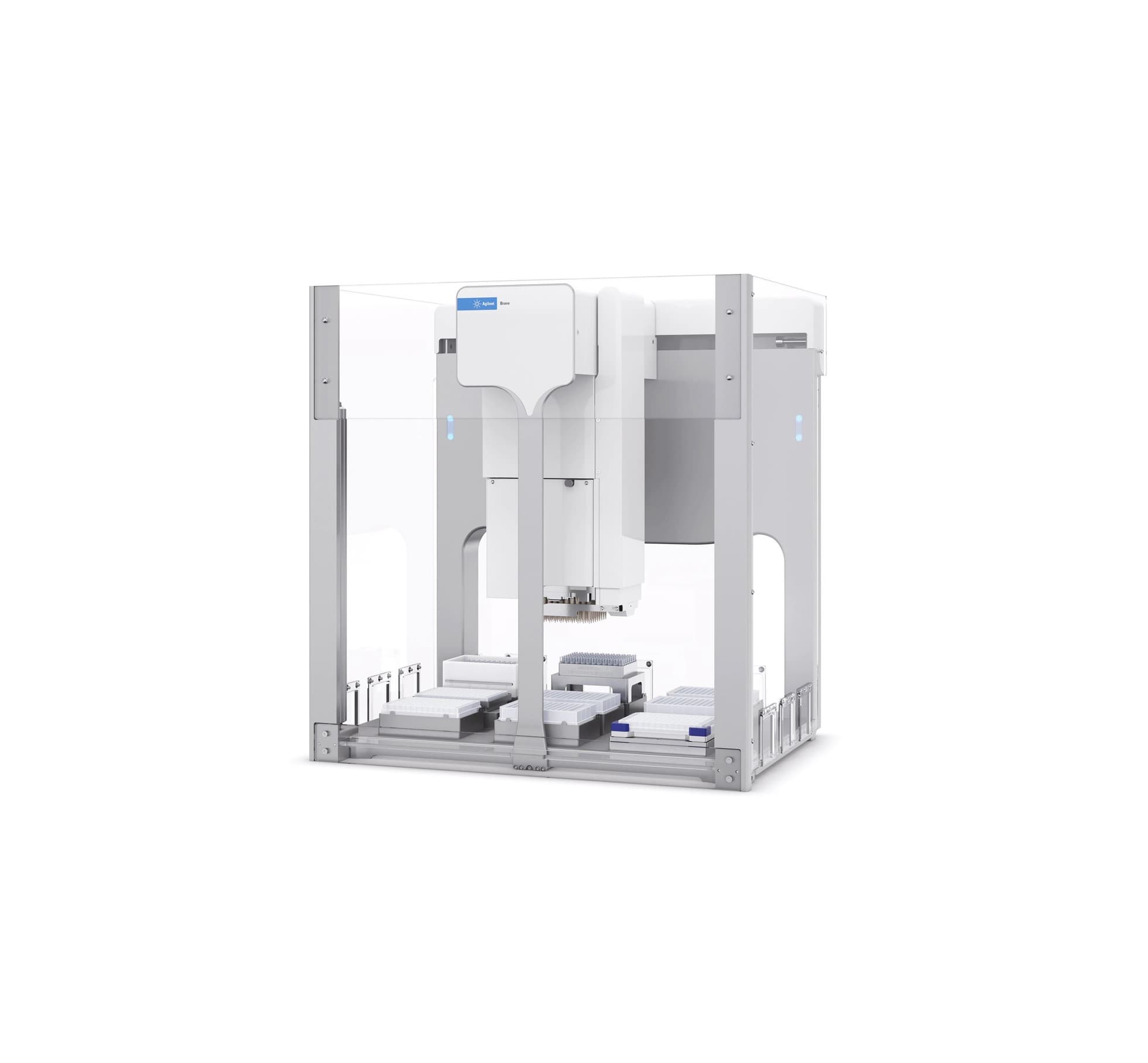
The Agilent Bravo is a compact, plate-centric automated sample preparation station prized for its precision at low volumes, small footprint and cost-effective deployment for medium-throughput NGS and proteomics sample prep. Compared with the larger, more modular systems here, Bravo typically delivers lower initial capital expense and efficient bench-space use while trading off some deck flexibility—making it attractive for labs that need accurate plate-based workflows without the complexity or cost of larger workstations.
$85,000 – $210,000
PerkinElmer Janus G3
The PerkinElmer Janus G3 is a modular and budget-conscious automated station optimized for assay preparation and screening workflows, featuring interchangeable pipetting heads and strong support for plate handling and compound management. When compared to the other systems on this list, Janus G3 is frequently selected for its favorable price-performance ratio and adaptability in drug discovery and screening labs, offering straightforward expandability that lowers incremental investment when throughput requirements grow.

$100,000 – $260,000
Why automation helps: evidence and key benefits
Scientific research, industry validation studies, and vendor white papers consistently show that automated sample preparation improves repeatability, throughput, and traceability relative to fully manual workflows. For new users, automation means converting manual steps into reproducible machine-controlled recipes, capturing metadata at each stage, and integrating that metadata into laboratory information management systems (LIMS) for end-to-end chain of custody. Adoption benefits are particularly clear when labs process medium to large sample volumes or require strict quality control and audit trails.
Reduced hands-on time: Industry reports and comparative studies commonly document 50 to 90 percent reductions in manual bench time for routine sample prep steps, allowing staff to focus on analysis and interpretation.
Improved precision and lower variability: Automated dosing and liquid handling reduce coefficient of variation across replicates, often improving precision by twofold or more compared with manual pipetting.
Higher throughput: Integrated workstations that combine grinding, digestion, filtration, and plate handling can raise daily sample throughput several-fold versus serial manual processing.
Fewer sample mix-ups: Barcode tracking and LIMS integration dramatically reduce identification errors and simplify traceability, which is essential for regulated testing and clinical workflows.
Faster return on investment: Depending on sample volume and consumable costs, many labs recover capital expense within 12 to 36 months through labor savings, fewer repeat tests, and improved productivity.
Reproducibility and compliance: Automation generates consistent logs and electronic records that support ISO accreditation and regulatory audits, improving data integrity for Canadian and international standards.
Frequently Asked Questions
Which station should I choose for PCR and NGS workflows?
Choose the Hamilton Microlab STAR if you’re doing PCR setup and NGS work, because it has a flexible modular deck for tailored workflows and precise syringe-based liquid handling with VENUS control software integration.
What pipetting feature does the Hamilton Microlab STAR use?
The Hamilton Microlab STAR uses precision syringe and disposable-tip pipetting, designed for high accuracy across a wide volume range for workflows like PCR setup and serial dilutions.
How does Tecan Fluent Automation pricing compare to others?
The provided data doesn’t include any prices for the Tecan Fluent Automation Workstation or the other stations, so I can’t compare value by cost or quote a Canadian price.
Is Beckman Coulter Biomek i7 good for nucleic acid extraction?
Yes—the Beckman Coulter Biomek i7 is built for nucleic acid extraction and plate-based assays, with tip-based liquid handling using multichannel and Span-8 heads plus positive-displacement options.
Conclusion
In Canada the leading automated sample preparation stations for 2026 combine throughput, integration, and local service. The Hamilton Microlab STAR, Tecan Fluent Automation Workstation, Beckman Coulter Biomek i7, Agilent Bravo Automated Liquid Handling Platform, and PerkinElmer Janus G3 each offer strong capabilities for unattended grinding, digestion, filtration, and LIMS-tracked workflows. For many Canadian labs the Hamilton Microlab STAR stands out as the best overall choice because of its flexibility, scalable modules, and broad support network in Canada, though Tecan, Beckman Coulter, Agilent, and PerkinElmer remain excellent options depending on your specific throughput and method needs. I hope you found what you were looking for; use the search to refine by throughput, sample type, or local service options if you want to narrow or expand results.