

Top 6 Laboratory Centrifuges in Canada 2026: High-g Benchtop and Floor Models with Smart Safety
Published on Saturday, January 24, 2026
Laboratory centrifuges are essential for modern clinical, research, and industrial workflows, offering rapid separation of particulates, emulsions, and phase layers. In Canada for 2026, the category is dominated by benchtop and floor models that combine variable speed control, precise temperature regulation, and a range of specialized rotors to match diverse sample types and volumes. Buyers increasingly favor high g-force capability for faster separations, refrigerated options to protect heat-sensitive samples, and smart safety interlocks that reduce downtime and biohazard risk. Canadian labs also prioritize energy efficiency, low noise, bilingual documentation, certified electrical safety (CSA or equivalent), and reliable local service and warranty support. These market preferences make the latest centrifuges a balance of performance, safety, and lifecycle value for busy diagnostic, biotech, and industrial laboratories across Canada.
Top Picks Summary
Eppendorf Centrifuge 5425 R
A compact refrigerated benchtop model valued in automotive and industrial labs for its small footprint, rapid cooling and dependable run-to-run reproducibility, making it ideal for small-volume sample preparation. It holds a best-in-class spot for labs needing low operating cost and space efficiency — offering similar reliability to larger competitors but at a lower purchase price and energy draw compared with high-capacity units like the Sorvall ST8R or Allegra X-30R.
Show More Refrigerated Benchtop Centrifuge for Sample Preparation in Automotive and Industrial Labs
Eppendorf Centrifuge 5430 R
The Eppendorf Centrifuge 5430 R is valued in industrial labs for delivering high-speed refrigerated performance in a compact benchtop footprint, making it a practical choice for particle separation and emulsion isolation where bench space and vibration control matter. Compared with larger-capacity machines on this list it offers a stronger price-to-performance ratio and lower operating costs for moderate throughput workflows, though it trades off the extreme capacity and throughput of models from Hermle or Beckman Coulter.
Show More High Speed Benchtop Centrifuge for Particle Separation and Emulsion Isolation in Industrial Labs
Beckman Coulter Avanti JXN-30
The Avanti JXN-30 is presented as the top choice when maximum G-force, rotor capacity and sustained throughput are the primary requirements for heavy-duty sample preparation in automotive testing labs. It commands a higher upfront investment than the JXN-26, Thermo models and the Eppendorf benchtop, but delivers the lowest per-sample processing cost at scale and the highest technical margin for demanding, high-volume workflows.
Show More High GForce Floor Centrifuge for Heavy Duty Sample Preparation in Automotive Testing Labs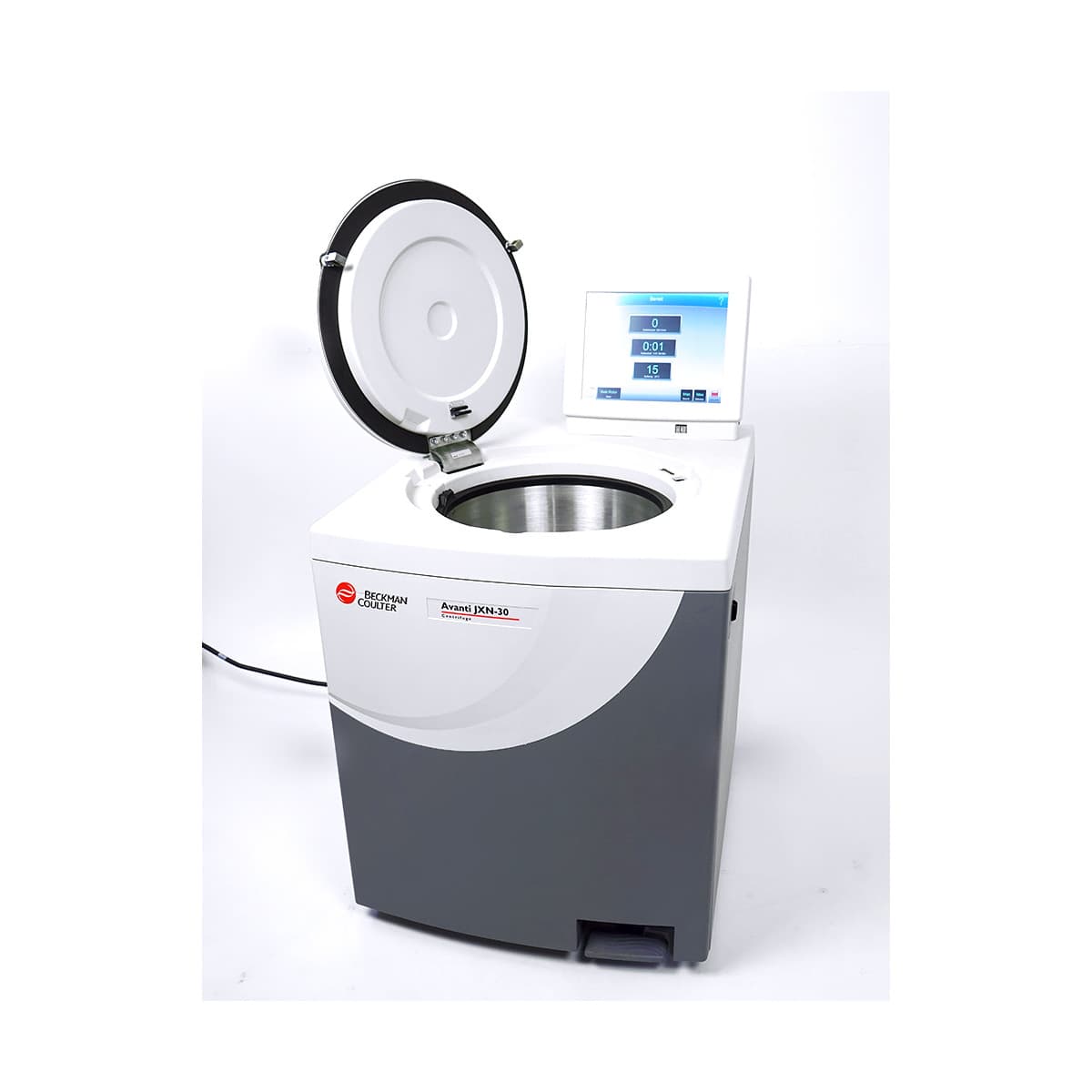
Beckman Coulter Avanti J-15R
The Beckman Coulter Avanti J-15R is the premium choice for high-capacity, high-g fixed-angle separations in industrial sample preparation, delivering exceptional torque and advanced rotor engineering that yields faster sedimentation and easy scalability compared with smaller enclosures. Its higher upfront cost is offset by superior throughput and long-term productivity when compared to Hettich’s economical models and Eppendorf’s compact units.
Show More Fixed Angle Rotor Centrifuge for Phase Separation in Industrial Sample Preparation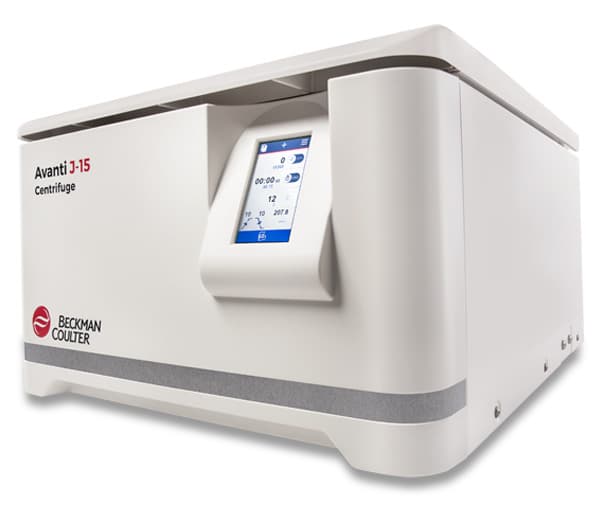
Beckman Coulter Allegra X-15R Centrifuge
The Beckman Coulter Allegra X-15R is positioned as a premium choice for precise emulsion and phase separation because of its refrigerated control, advanced imbalance protection and broad swing-out rotor selection that preserves delicate phase boundaries. It competes with the Sorvall on reliability and often outperforms compact units on temperature stability and ergonomics; while pricier, its efficiency and lower long-term operational risk justify the investment for labs requiring tight control over thermally sensitive automotive samples.
Show More Swing Out Rotor Centrifuge for Emulsion and Phase Isolation in Automotive Labs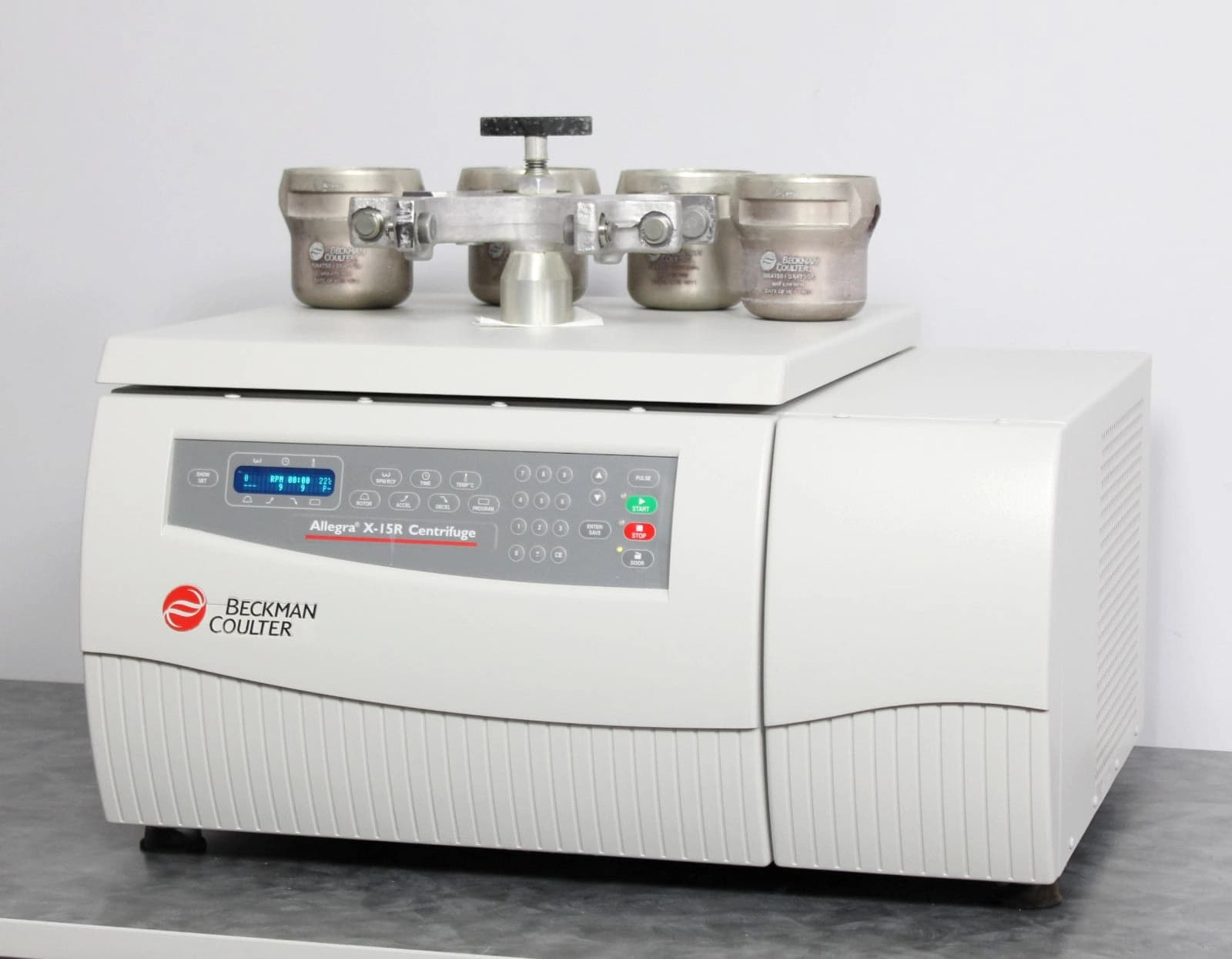
Thermo Scientific Sorvall LYNX 6000 Superspeed Centrifuge
The Sorvall LYNX 6000 is positioned as the best-in-class choice for large-capacity floor centrifugation in automotive and industrial labs because it combines superspeed capability with broad rotor flexibility and automation-ready controls, delivering the highest sample throughput for bulk preparation workflows. Compared with the other products on this list it generally commands a higher upfront price but offsets that with reduced run times, greater payload capacity and lower cost-per-sample on continuous operations.
Show More Microcentrifuge for Small Volume Industrial Sample Preparation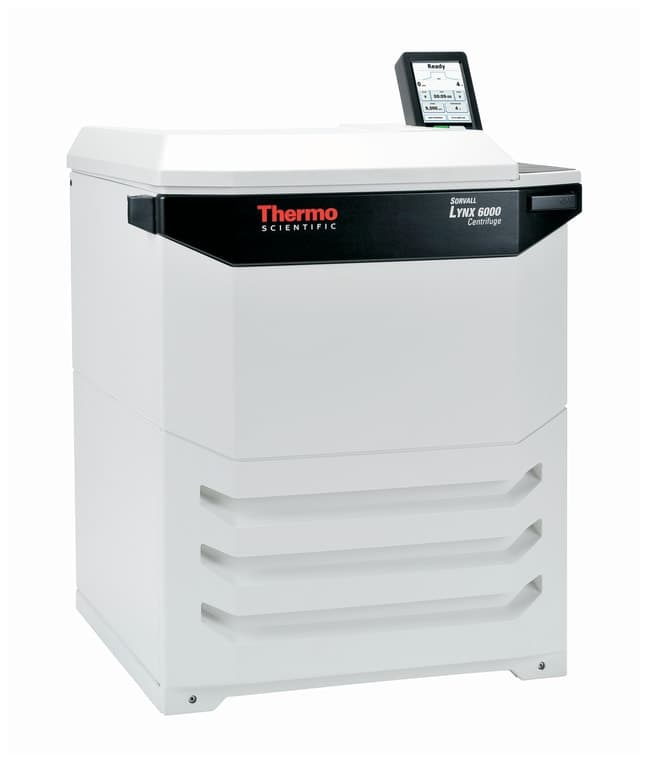
How Centrifuge Features Improve Results: Research-Based Insights
Basic principles and peer-reviewed studies show that centrifuge performance is driven by a few measurable factors: relative centrifugal force (g-force) determines sedimentation speed; temperature control preserves thermolabile compounds; rotor design governs throughput and separation quality; and containment features reduce aerosolization and operator exposure. The practical benefits below are described in everyday terms so lab managers and technicians can connect features to outcomes.
Higher g-force leads to faster and more complete sedimentation, improving yield for small particles and dense phases. Studies in sample preparation routinely report improved recovery with appropriately higher g settings.
Refrigerated centrifuges limit warming during runs, protecting proteins, enzymes, and other heat-sensitive analytes and reducing degradation that can skew results.
Specialized rotors and adapters let labs optimize run time and sample throughput. Fixed-angle rotors speed pelleting; swing-bucket rotors support clear phase isolation for layered separations.
Smart safety interlocks and sealed rotors reduce the risk of spills and aerosol generation, a key biosafety benefit supported by laboratory safety guidance and containment research.
Balanced loading and modern imbalance detection reduce mechanical stress and extend equipment life while minimizing sample loss due to sudden stops or failures.
Connectivity features such as run logging, remote alerts, and predictive maintenance data help labs maintain consistent protocols and reduce unplanned downtime, improving overall workflow efficiency.
Frequently Asked Questions
Which centrifuge should I buy for particle separation work?
Choose the Eppendorf Centrifuge 5430 R for particle separation and emulsion isolation when you want a refrigerated benchtop design with a compact footprint and stable temperature control; it’s rated 4.7.
What exact temperature control and rotor options does 5430 R have?
The Eppendorf Centrifuge 5430 R uses a refrigerated benchtop design for stable temperature control and offers multiple fixed-angle rotor options for microtubes, 15 mL tubes, and 50 mL tubes; it’s rated 4.7.
How does the Beckman Avanti JXN-26 price compare here?
The provided data doesn’t list a price for the Beckman Coulter Avanti JXN-26 High Performance Centrifuge, but it’s rated 4.6 and is designed for heavy-duty, long-duty-cycle floor centrifugation with precise temperature control.
Is the Sorvall LYNX 6000 better for automotive particulates?
The Thermo Scientific Sorvall LYNX 6000 is the better fit for deep pelletization of automotive particulates, with very high g-forces, advanced digital controls, diagnostics, and safety interlocks; it’s rated 4.6.
Conclusion
This page highlights the top eight laboratory centrifuges available in Canada for 2026, focused on benchtop and floor models with variable speed, temperature control, specialized rotors, high g-force capability, and smart safety features. We hope you found clear information to guide your choice. Use the site search or filters to refine by application, capacity, refrigerated vs nonrefrigerated, certification, or service region to find the best match for your lab.