

Top 5 Laboratory Homogenizers in Canada for 2026
Published on Saturday, January 24, 2026
Laboratory homogenizers in Canada are essential tools for high-shear disruption, rotor-stator dispersion, and bead-milling of automotive and industrial samples such as oils, greases, polymers, composites, and process residues. In modern Canadian labs, demand centers on instruments that deliver consistent particle-size reduction, scalable throughput, temperature control to protect thermolabile analytes, and workflows that minimize cross contamination. Buyers prioritize reproducibility, ease of cleaning, service and parts availability in Canada, bilingual documentation where relevant, energy efficiency, and compatibility with automation and high-throughput workflows. This category includes bench-top high-shear homogenizers, rotor-stator units, and bead mills that suit R&D, QC, and production-adjacent laboratories across automotive, materials testing, and process development sectors.
Top Picks Summary
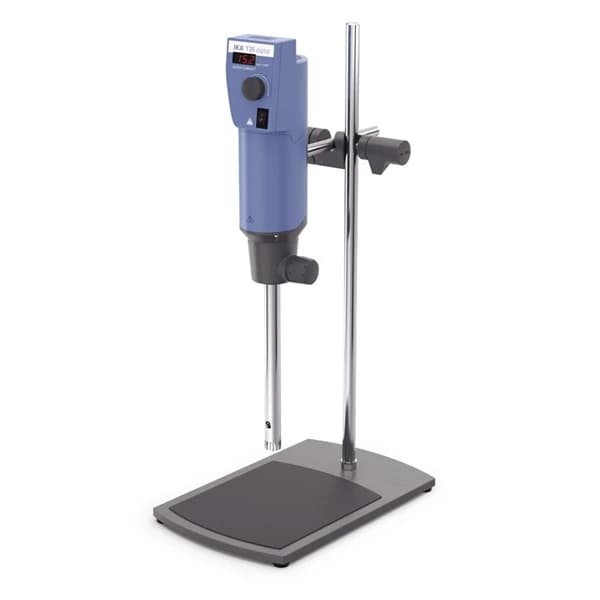
IKA T 25 digital ULTRA-TURRAX
The IKA T 25 digital ULTRA-TURRAX is a best-in-class rotor-stator laboratory homogenizer known for high-shear performance, precise digital speed control, and robust German engineering that excels with viscous liquids and emulsions. Compared with bead-based systems on this list, it offers lower ongoing consumable costs and faster processing for liquid samples, while being more scalable and controllable than simpler probe homogenizers like the PRO250.
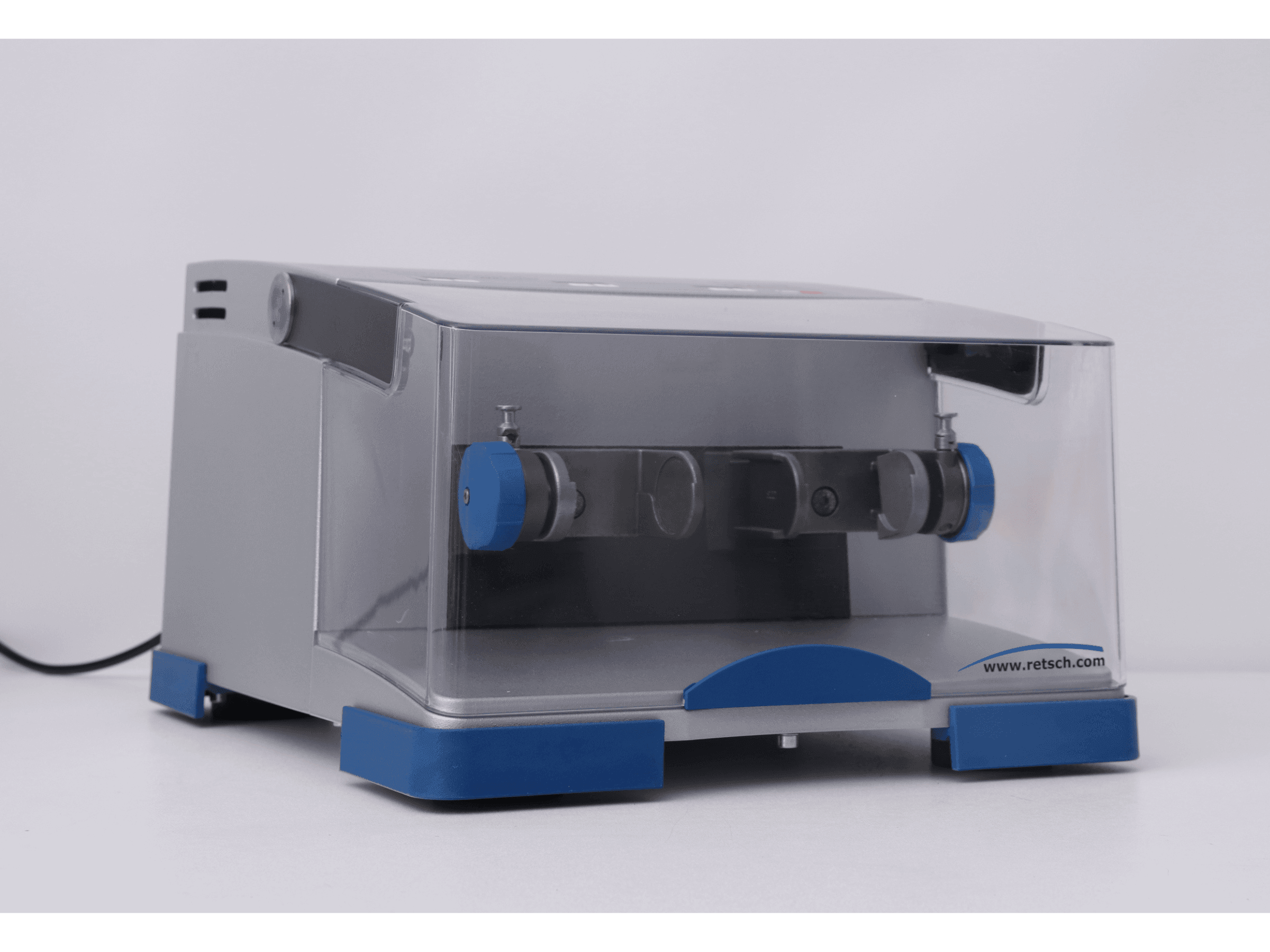
Omni Bead Ruptor Elite
The Omni Bead Ruptor Elite is a market-leading bead mill optimized for high-efficiency disruption of tough tissues and microbial cells, offering broad tube format compatibility, programmable cycles, and effective temperature management. Versus the QIAGEN TissueLyser II and Benchmark BeadBlaster 24, Omni emphasizes flexibility in bead choice and sample formats and often delivers comparable throughput with stronger cooling and customization at a competitive mid-range price.

QIAGEN TissueLyser II
The QIAGEN TissueLyser II is an established market leader for high-throughput bead-beating workflows, widely validated and tightly integrated with QIAGEN extraction kits to streamline nucleic acid workflows in diagnostic and research labs. While its upfront and consumable costs can be higher than some alternatives, the validated protocols and global support reduce overall workflow risk compared with less-integrated options like the Benchmark or PRO Scientific units.
PRO Scientific PRO250 Homogenizer
The PRO Scientific PRO250 Homogenizer is a cost-effective probe homogenizer designed for small-to-medium labs that need reliable, high-shear disruption for small batches without large capital outlay. It delivers similar raw shearing power to the IKA for certain sample types at a lower purchase price, though it lacks the digital precision, scalability, and bead-based versatility of Omni, QIAGEN, and dedicated bead mills.

Benchmark Scientific BeadBlaster 24
The Benchmark Scientific BeadBlaster 24 is a value-driven bead mill that targets mid-sized labs needing parallel processing of up to 24 samples with straightforward operation and low maintenance. It trades some of the advanced programmability and cooling features of the Omni Elite and TissueLyser II for a lower per-sample cost and simpler workflow, making it an attractive financial choice for routine homogenization tasks.

Why research and practice back homogenizer use
Scientific studies and industry practice show that the right homogenizer technology improves sample representativity, extraction efficiency, and consistency across batches. Different mechanisms address different needs: rotor-stator units create focused shear and are excellent for emulsions and dispersions; bead mills and bead beaters excel at mechanical disruption of tough matrices and particles; controlled high-shear probes deliver rapid size reduction for smaller-volume R&D work. Key benefits supported by literature and comparative evaluations include better yield, lower variability, and reduced sample handling that decreases contamination risk. For Canadian labs, these gains translate into faster method development, more reliable QC, and easier scale-up from benchtop to pilot processing.
Reproducibility: Controlled shear and standardized bead protocols produce narrower particle-size distributions and lower inter-run variability compared with manual methods.
Improved extraction and dispersion: Homogenization increases surface area and releases analytes more completely for downstream analysis or testing.
Temperature control: Active cooling or pulse modes limit heat buildup and preserve heat-sensitive compounds, reducing analytical bias.
Throughput and automation: Plate-based bead mills and multi-sample bead beaters support parallel processing for higher throughput without sacrificing consistency.
Cross-contamination control: Closed tube systems, single-use consumables, and validated cleaning procedures reduce sample carryover risk.
Frequently Asked Questions
Which homogenizer should I pick for viscous emulsions?
Choose the IKA T 25 digital ULTRA-TURRAX for viscous liquids and emulsions; it has digital speed control for reproducible rotor-stator homogenization and an average rating of 4.6.
Does the Omni Bead Ruptor Elite support automated bead cycles?
Yes—the Omni Bead Ruptor Elite features automated, high-speed bead beating with programmable cycles and broad tube-friendly rack capacity, and it has an average rating of 4.5.
Is the IKA T 25 digital ULTRA-TURRAX worth the price?
At $4,967.38 CADthe IKA T 25 digital ULTRA-TURRAX includes digital speed control for reproducible shear-based homogenization plus interchangeable dispersing elements for small to viscous samples, with an average rating of 4.6.
Which homogenizer is better for multi-sample bead workflows?
The QIAGEN TissueLyser II is built for high-throughput bead-beating and holds multi-sample adapters with adjustable frequency; it’s rated 4.4 and is compatible with standardized QIAGEN kits and protocols.
Conclusion
This selection highlights five top laboratory homogenizers available in Canada in 2026: IKA T 25 digital ULTRA-TURRAX, Omni Bead Ruptor Elite, QIAGEN TissueLyser II, PRO Scientific PRO250 Homogenizer, and Benchmark Scientific BeadBlaster 24. Each model serves different needs: the IKA T 25 digital ULTRA-TURRAX stands out as the most versatile choice for labs that need precise speed control, robust high-shear performance, and easy cleaning, while the Omni Bead Ruptor Elite and Benchmark Scientific BeadBlaster 24 excel at high-throughput bead processing. The QIAGEN TissueLyser II is well suited for standardized, high-reliability molecular workflows, and the PRO Scientific PRO250 Homogenizer is a solid option for routine sample disruption with straightforward maintenance. I hope you found the information you needed; refine or expand your search using the site search to narrow by throughput, cooling, tube format, or Canadian supplier and service options.