

Canada's Top 5 Warehouse Control & Integration Platforms — 2026
Warehouse control and integration software (WCS, integration middleware, APIs) orchestrates conveyors, robots, AS/RS, and enterprise WMS/ERP systems to deliver deterministic execution and real-time visibility. Modern platforms use microservice architectures, low-latency telemetry, and prebuilt connectors to speed deployment and reduce custom integration work. In Canada, demand is driven by cross-border logistics, rapid e-commerce growth, labor constraints in distribution centers, and specialized needs such as cold-chain handling and healthcare supply chains. Buyers prefer solutions that offer predictable throughput, fast ROI, cloud-optional deployments, strong support for bilingual operations where needed, and robust prebuilt connectors to SAP, Oracle, Microsoft, and common robotics and material-handling vendors. The result: smoother peak-season scaling, faster onboarding of automation, and clearer operational metrics across multi-site networks.
Inception's AI took the time to understand this market in Canada · · How we pickWe may earn a commission on purchases. It never affects our rankings.
Top Picks Summary
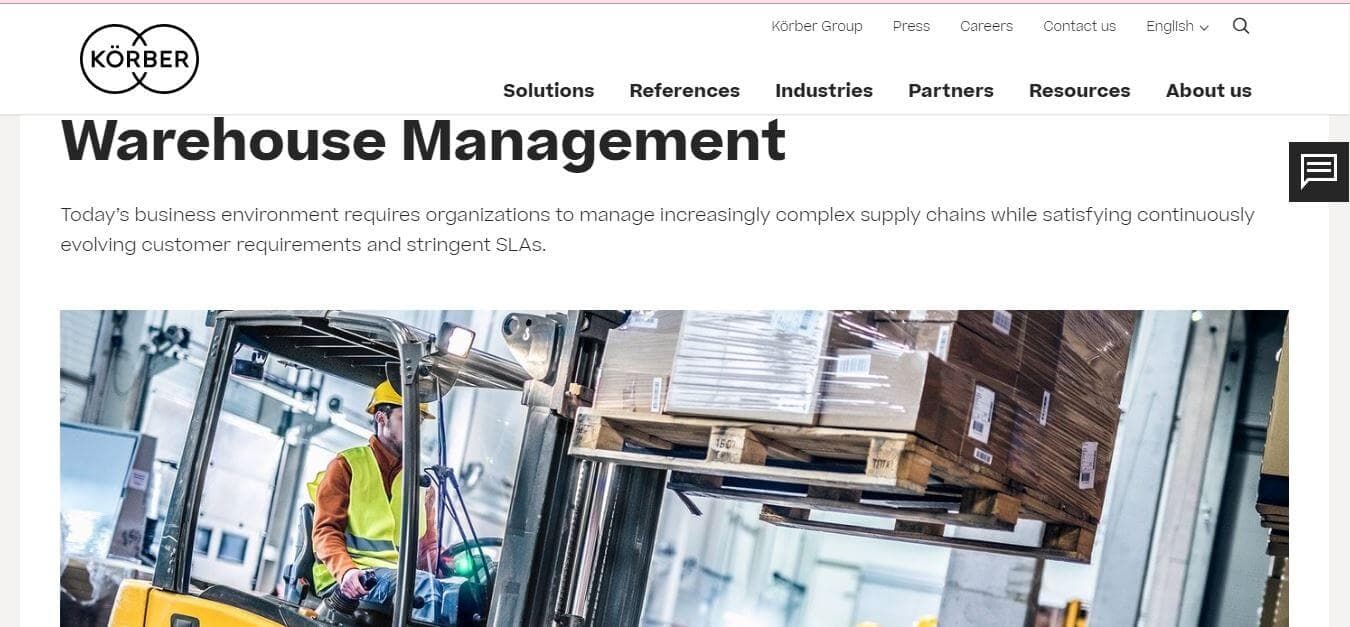
Körber Warehouse Control System
Körber's WCS is positioned as a best-in-class control layer because of its modular, microservices-oriented architecture and deep integration capabilities that bridge WMS and automated equipment with minimal customization. Compared with Honeywell and Dematic, Körber emphasizes faster deployments and lower integration overhead through open APIs, and versus WMS-centric vendors like Blue Yonder and Tecsys it delivers tighter real-time equipment orchestration that reduces labor and throughput costs in heavily automated sites.
Estimated$150,000 – $2,500,000
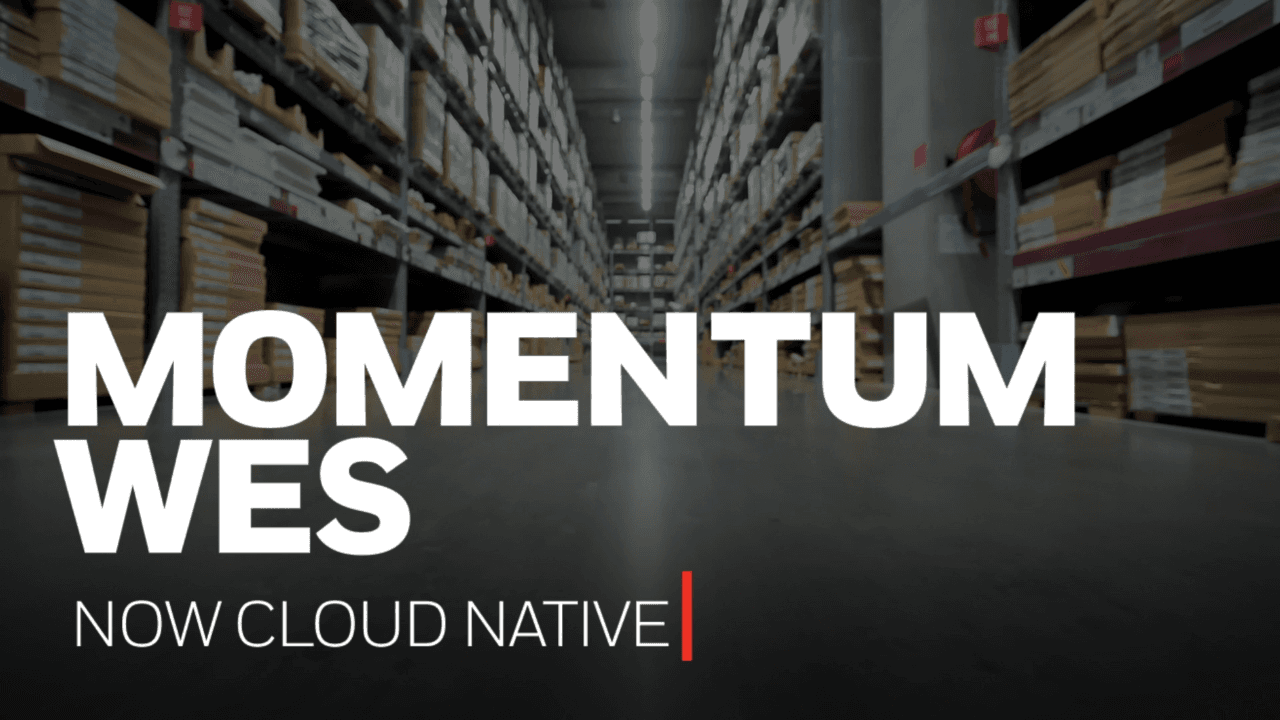
Honeywell Intelligrated Momentum
Honeywell Intelligrated Momentum is a market-leading WCS/WES known for turnkey integration with Honeywell automation hardware and proven high-throughput performance in large distribution centers. Its technical advantage is tight hardware/software synergy that can lower long‑term operational cost and increase uptime compared with more agnostic platforms like Körber or Dematic, though that approach can carry higher upfront capital commitments than cloud-first WMS offerings such as Blue Yonder.
Estimated$200,000 – $3,000,000
Dematic iQ
Dematic iQ ranks as a best-in-class platform for complex, high-volume operations by combining a unified control framework with advanced analytics and throughput optimization tools. It competes with Honeywell and Körber on deep equipment-level control but differentiates through embedded predictive analytics and standardized templates that can reduce commissioning time and operational risk, offering a compelling total cost profile for large, globally distributed automation projects.

Estimated$250,000 – $4,000,000
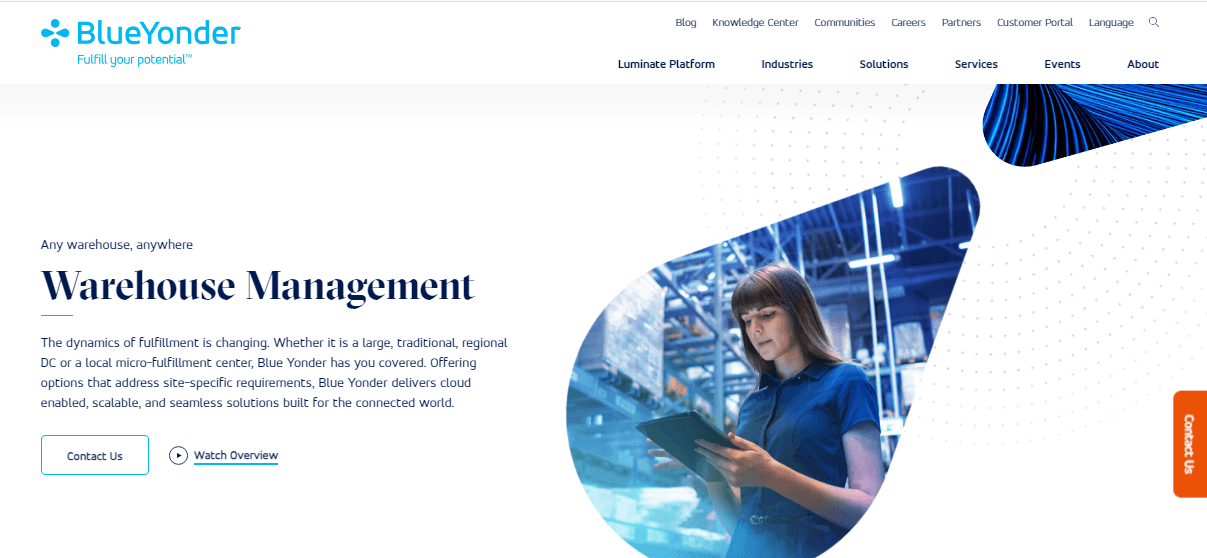
Blue Yonder Warehouse Management
Blue Yonder's WMS (Luminate) is a market-leading, cloud-native platform focused on inventory accuracy, orchestration and AI-driven decisioning that accelerates time-to-value via SaaS economics. While it is primarily a WMS rather than a pure WCS, its strength in forecasting and process orchestration reduces inventory carrying costs and pairs effectively with WCS solutions like Körber or Honeywell for equipment control, providing customers a lower-risk, subscription-based route to advanced supply chain capabilities.
Estimated$200,000 – $5,000,000
Tecsys Elite WMS
Tecsys Elite WMS is a best-in-class choice for specialty distribution and healthcare that emphasizes traceability, ease of deployment and strong out-of-the-box functionality for mid-market and sector-specific operations. Compared with heavy-automation-focused vendors (Honeywell, Dematic, Körber), Tecsys offers a more cost-effective footprint and faster ROI for organizations that need rigorous inventory control and compliance but less direct equipment-level control, and it integrates readily with leading WCS vendors when automation is added later.

Estimated$75,000 – $800,000
Research-backed benefits of WCS and integration platforms
Academic studies, industry reports, and vendor-neutral analyses converge on the conclusion that well-implemented warehouse control and integration layers improve throughput, accuracy, and operational resilience. Research highlights the value of deterministic controls for mixed human-robot environments, the role of low-latency telemetry in predictive maintenance, and the deployment advantages of microservice-based platforms for incremental modernization. For Canadian operations, published supply-chain analyses and government economic data also show that automation and systems integration are key levers to manage seasonal peaks and labor shortages while maintaining compliance and traceability.
Throughput and accuracy: Industry reviews and case studies report consistent improvements in order throughput and error reduction when WCS is paired with synchronized material handling and robotics.
Faster deployment and lower integration cost: Evaluations of modern microservice and API-first platforms show shorter integration cycles compared with monolithic control stacks, reducing time to value.
Predictive maintenance and uptime: Research into low-latency telemetry and edge analytics demonstrates earlier fault detection for conveyors and robots, reducing unplanned downtime.
Scalability and resilience: Studies on distributed control architectures indicate improved resilience during peak loads and easier rollouts across multi-site networks.
Economic context for Canada: Government and industry analyses note that e-commerce growth and cross-border trade trends make investments in automation and integrated controls an effective strategy to contain labor costs and improve service levels.
Frequently Asked Questions
Which WCS platform should I choose for conveyors and AS/RS?
Choose Körber Warehouse Control System if you need real-time orchestration of conveyors, sorters and AS/RS systems, with modular microservices architecture and open APIs for ERP/WMS integration using minimal customization; it averages a 4.5 rating.
Does Dematic iQ include microservices architecture for updates?
Yes—Dematic iQ lists a microservices architecture designed for multi-site scalability and rapid updates, plus cloud-enabled WCS/WES strong orchestration for robotics and conveyor systems; its average rating is 4.3.
What price do I pay for Dematic iQ, and what includes?
Dematic iQ shows a listing price of CAD 20.48 and includes cloud-enabled WCS/WES with strong robotics and conveyor orchestration plus live performance dashboards and AI-driven throughput and labor optimization; it has a 4.3 average rating.
Is Honeywell Intelligrated Momentum built for high-throughput distribution centers?
Honeywell Intelligrated Momentum is described as a high-performance control system optimized for very high throughput distribution centers, with native integration with Intelligrated material handling and robotics hardware and advanced diagnostics/predictive maintenance; average rating is 4.4.
Conclusion
In the Canadian market, Körber Warehouse Control System, Honeywell Intelligrated Momentum, Dematic iQ, Blue Yonder Warehouse Management, and Tecsys Elite WMS represent the leading approaches to warehouse control and integration in 2026. Each product has strengths: Körber Warehouse Control System for broad conveyor and robotics orchestration, Honeywell Intelligrated Momentum for deep material handling integrations, Dematic iQ for turnkey automation projects, Blue Yonder Warehouse Management for advanced planning and WMS integration, and Tecsys Elite WMS for complex healthcare and specialty supply chains. For most Canadian distribution centers seeking a balanced mix of deterministic control, prebuilt connectors, and rapid deployment, Körber Warehouse Control System is often the best choice. I hope you found what you were looking for — you can refine or expand your search using the site search to focus on features, industry fit, or integration partners.