

Canada's Top 5 Self-Propelled Transfer Carts for 2026
Self-propelled transfer carts are heavy-duty material handling vehicles designed to move large, irregular, or very heavy loads across shop floors. Available in both track and trackless designs, these carts typically use electric drives with battery power and offer wired, wireless, or remote control options. In Canadian industries such as steel, automotive, heavy manufacturing, and fabrication, buyers favor transfer carts for their high payload capacity, precise positioning, and repeatable motion that reduces reliance on forklifts and overhead cranes. Preferences in Canada emphasize energy efficiency, low maintenance, operator safety, and integration with automation systems. Trends through 2026 show growing demand for lithium-ion battery systems for longer run times, modular and customizable decks for irregular loads, trackless navigation for flexible layouts, and compatibility with Industry 4.0 controls and safety standards recognized by Canadian authorities. The result is a category that combines robust mechanical design with modern electric and control technology to deliver higher throughput, safer workplaces, and lower total cost of ownership for heavy manufacturing operations.
Inception's AI took the time to understand this market in Canada · · How we pickWe may earn a commission on purchases. It never affects our rankings.
Top Picks Summary
Perfect Handling BWP Battery Powered Transfer Cart
The Perfect Handling BWP stands out as a best-in-class battery-powered transfer cart thanks to its long runtime, modular battery architecture and high payload capacity that make it a cost-effective alternative to full AGV deployments. Compared with the more automation-focused Morello AGV and the trackless Topper unit, the BWP offers lower upfront capital and simpler maintenance while still delivering robust performance for heavy material moves.
.jpg&w=3840&q=75)
Estimated$15,000 – $45,000
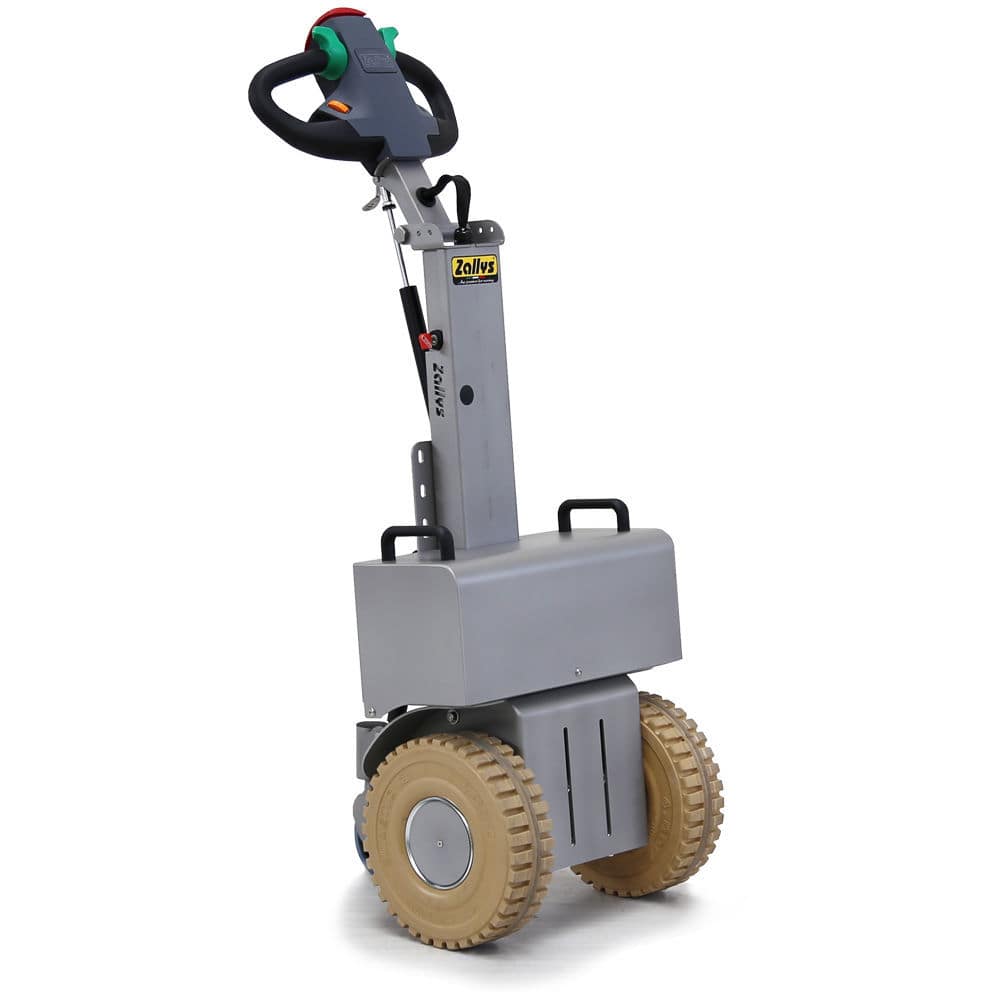
Solving Mover M12
The Solving Mover M12 earns its reputation for exceptional maneuverability and precision steering, making it ideal for tight production footprints where larger carts struggle. Financially it tends to offer lower acquisition and installation costs than fully autonomous AGVs like the Morello, while technically it trades some payload capacity for superior agility compared with heavier trackless carts such as Topper.
Estimated$40,000 – $90,000
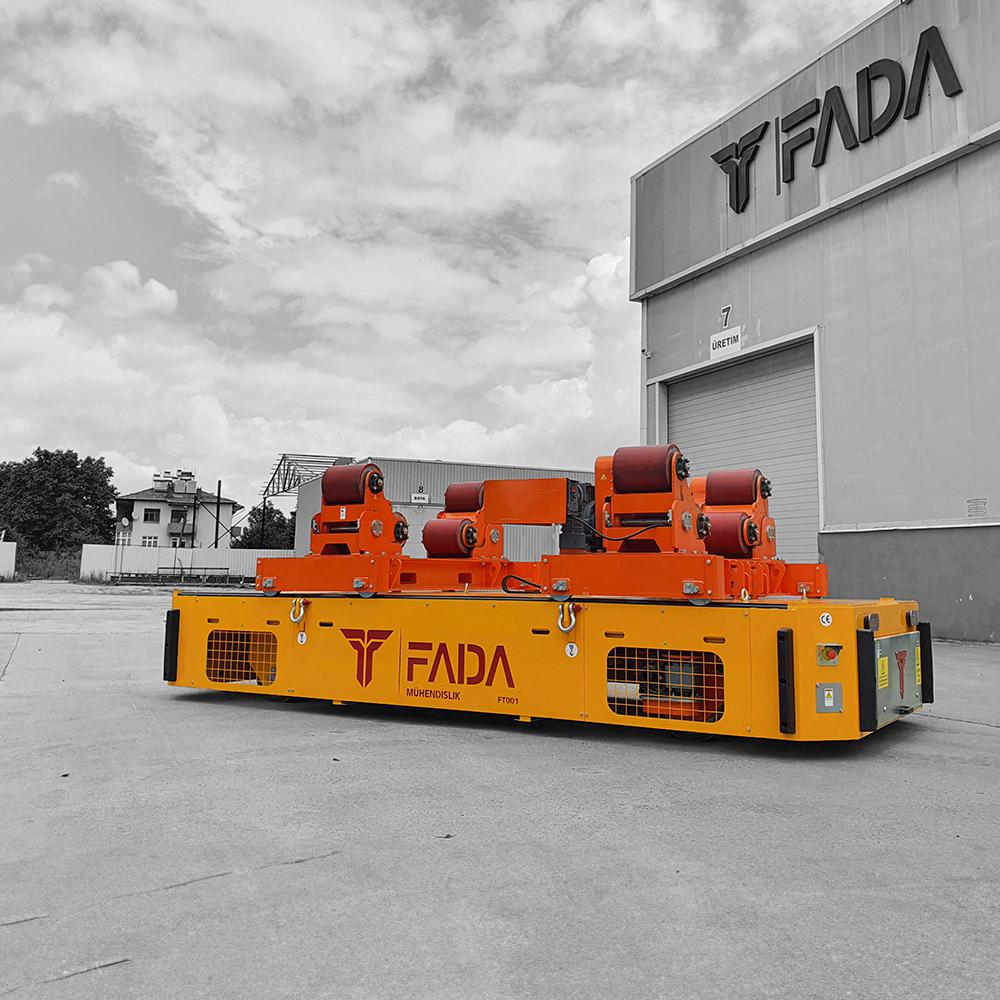
Topper Industrial Trackless Transfer Cart
Topper Industrial's trackless transfer cart is a market leader for heavy-duty, infrastructure-light movement: it combines large payload capability with trackless guidance to minimize facility modifications and installation expense. Compared with nimble models like the Solving Mover and battery-focused units like the Perfect Handling BWP, Topper prioritizes durability and simple, high-capacity transport at the expense of some maneuverability and the advanced autonomy of AGV solutions.
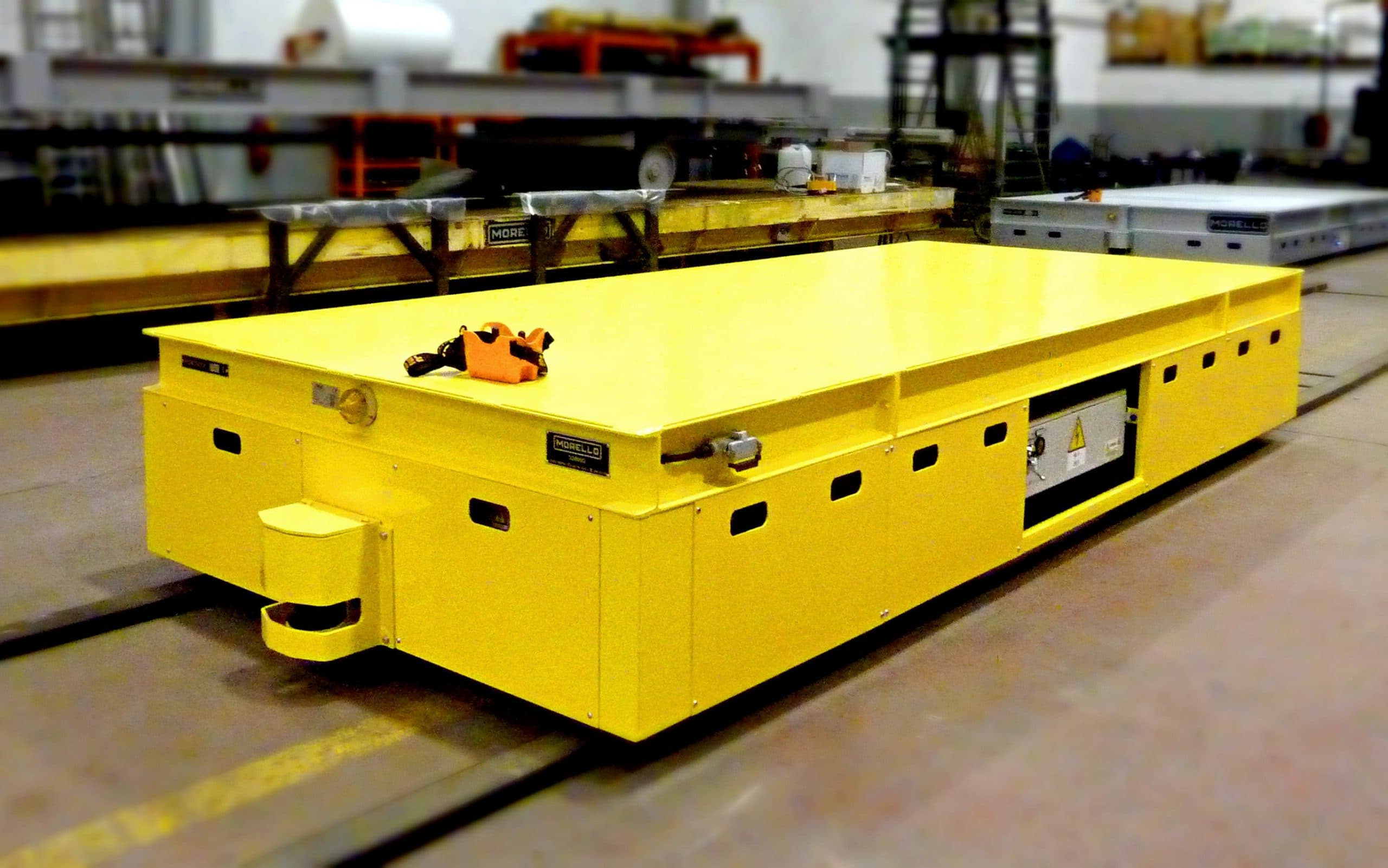
Morello Giovanni AGV Transfer Cart
The Morello Giovanni AGV transfer cart is positioned as the automation-first option, offering advanced navigation, fleet coordination and integration with factory control systems to reduce labor and increase throughput. While it carries a higher upfront cost than manual or battery carts (e.g., Perfect Handling or Topper), its technical advantage is in scalable autonomy and process optimization that can deliver stronger long-term operational savings for complex, high-mix environments.
Estimated$80,000 – $220,000
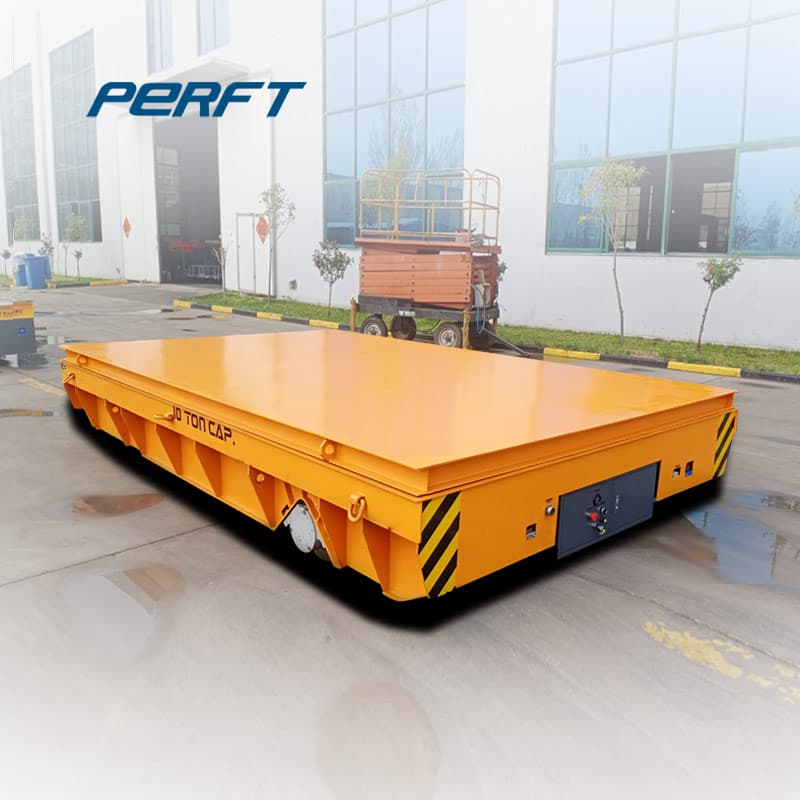
Jost Engineering Self-Propelled Transfer Cart
Jost Engineering’s self-propelled transfer cart is recognized for its engineered customization, robust safety systems and European-grade components that suit demanding industrial workflows. It offers a middle ground financially and technically—more configurable and safety-focused than off-the-shelf battery carts like the BWP, but generally lower in automation cost and complexity than the Morello AGV—making it attractive where tailored platforms and compliance are priorities.
Estimated$60,000 – $200,000
What Research and Guidance Say About Transfer Carts
Multiple sources from ergonomics research, industrial case studies, and occupational safety organizations support the benefits of using self-propelled transfer carts in heavy manufacturing. Studies and reports consistently show reductions in manual handling, improved workflow efficiency, and measurable safety gains when automated or semi-automated transfer systems replace repetitive crane or manual moves. Safety and standards bodies recommend risk assessment, guarding, and standardized control interfaces to reduce incidents. Energy and lifecycle analyses favor modern battery-electric drives for lower onsite emissions and reduced maintenance compared with combustion or hydraulically driven options.
Reduced manual handling injuries: ergonomics research and workplace case studies indicate that mechanized cart systems reduce the frequency and severity of manual lifting and repositioning, lowering musculoskeletal disorder risk.
Improved throughput and accuracy: industrial case studies report that precise, repeatable transfer movements can streamline production flow, reduce handling time, and improve takt time adherence.
Energy efficiency and emissions: battery-electric drives, especially lithium-ion systems, offer higher round-trip energy efficiency, faster charging, and lower onsite emissions compared with older battery chemistries or diesel-powered alternatives.
Lower maintenance and lifecycle costs: electric drive systems have fewer moving parts and require less routine maintenance than hydraulic or internal-combustion solutions, improving uptime and reducing total cost of ownership in long-term studies.
Standards and safety guidance: guidance from organizations such as the Canadian Centre for Occupational Health and Safety (CCOHS), CSA Group standards, and ISO safety standards for industrial trucks and automated guided vehicles inform best practices for guarding, controls, and operator training.
Frequently Asked Questions
Which cart should I choose for tight plant layouts?
Solving Mover M12 is best for tight production footprints because it has a compact, trackless footprint suited for narrow plant layouts and earns a 4.5/5 average rating.
Does the Topper Industrial trackless cart offer PLC integration?
Yes—Topper Industrial Trackless Transfer Cart supports multiple control modes including manual, remote, and PLC integration, with a 4.4/5 average rating.
What value do I get with the Perfect Handling BWP cart?
Perfect Handling BWP delivers a cost-effective alternative to full AGV deployments thanks to its modular battery architecture and battery-powered cordless operation, earning a 4.6/5 average rating.
Is the Solving Mover M12 better with laser or magnetic guidance?
Solving Mover M12 uses automatic navigation with laser or magnetic guidance options, and it’s rated 4.5/5, but the provided info doesn’t list a warranty duration.
Conclusion
In Canada, the right self-propelled transfer cart brings safety, efficiency, and repeatable performance to heavy manufacturing floors. The top options on this page cover a range of needs: Perfect Handling BWP Battery Powered Transfer Cart, Solving Mover M12, Topper Industrial Trackless Transfer Cart, Morello Giovanni AGV Transfer Cart, and Jost Engineering Self-Propelled Transfer Cart. For most Canadian shops that want a strong balance of battery performance, payload flexibility, and value, the Perfect Handling BWP Battery Powered Transfer Cart is the best overall choice. We hope you found what you were looking for; you can refine or expand your search using the search to focus on payload, track vs trackless designs, automation level, or battery type.