

Top 5 Utility Carts for Production and Warehouse Use in Canada: 2026 Picks
Published on Saturday, January 24, 2026
Utility carts for production and warehouse use are versatile multi-shelf platforms designed for picking, stocking, and transporting tools, parts, and supplies across manufacturing and distribution floors. In Canada, buyers prioritize durability, low maintenance, and adaptability: modular shelves that can be reconfigured for different SKUs, polymer or stainless steel construction to resist corrosion and cleaning chemicals, and casters rated for concrete and mezzanine surfaces. Other strong preferences include ergonomics to reduce worker strain, easy-clean surfaces for food and pharmaceutical environments, and reliable spare parts and Canadian distribution for fast service. Emerging trends into 2026 emphasize modular accessories, integrated inventory or barcode mounts, and lighter polymer systems that lower noise and maintenance while matching the longevity of stainless options.
Top Picks Summary
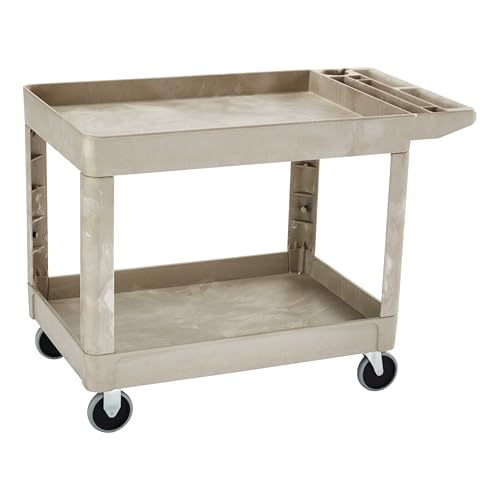
Rubbermaid Commercial Heavy-Duty Utility Cart
The Rubbermaid Commercial Heavy‑Duty Utility Cart is built from rugged molded structural foam for long life in production and warehouse environments, offering excellent impact and corrosion resistance compared with painted steel carts. It earns its best‑in‑class position by combining quiet operation, low maintenance and strong load capacity so facilities trade slightly higher upfront cost for lower lifecycle repair and replacement expenses versus metal alternatives like Uline and Durham.
Uline 3-Shelf Utility Cart
The Uline 3‑Shelf Utility Cart is a straightforward, economical steel cart widely stocked for quick replacement and high payloads, making it a go‑to choice when initial cost and availability are top priorities. While heavier and more prone to corrosion than polymer designs from Rubbermaid and Metro, Uline carts deliver strong per‑dollar capacity for transporting bulky items in warehouses and production floors where raw load strength matters most.
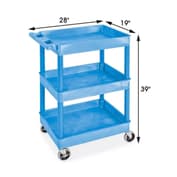
Where to buy Uline 3-Shelf Utility Cart in Canada: the trusted retailers we track in this market, with the best price we have observed at each. Prices are checked regularly and can change, and the retailer confirms the final price at checkout.
We may earn a commission on purchases. It never affects our rankings.
$220 – $420
Metro MW Series Polymer Utility Cart
The Metro MW Series Polymer Utility Cart leads the market for sterile, modular carts tailored to production and warehouse use by offering antimicrobial polymers, accessory compatibility and a low total cost of ownership through reduced cleaning and corrosion issues. Technically superior for sanitation and configurability, Metro sits above basic steel options like Uline and Durham for environments where contamination control or frequent washdowns justify a modest premium.

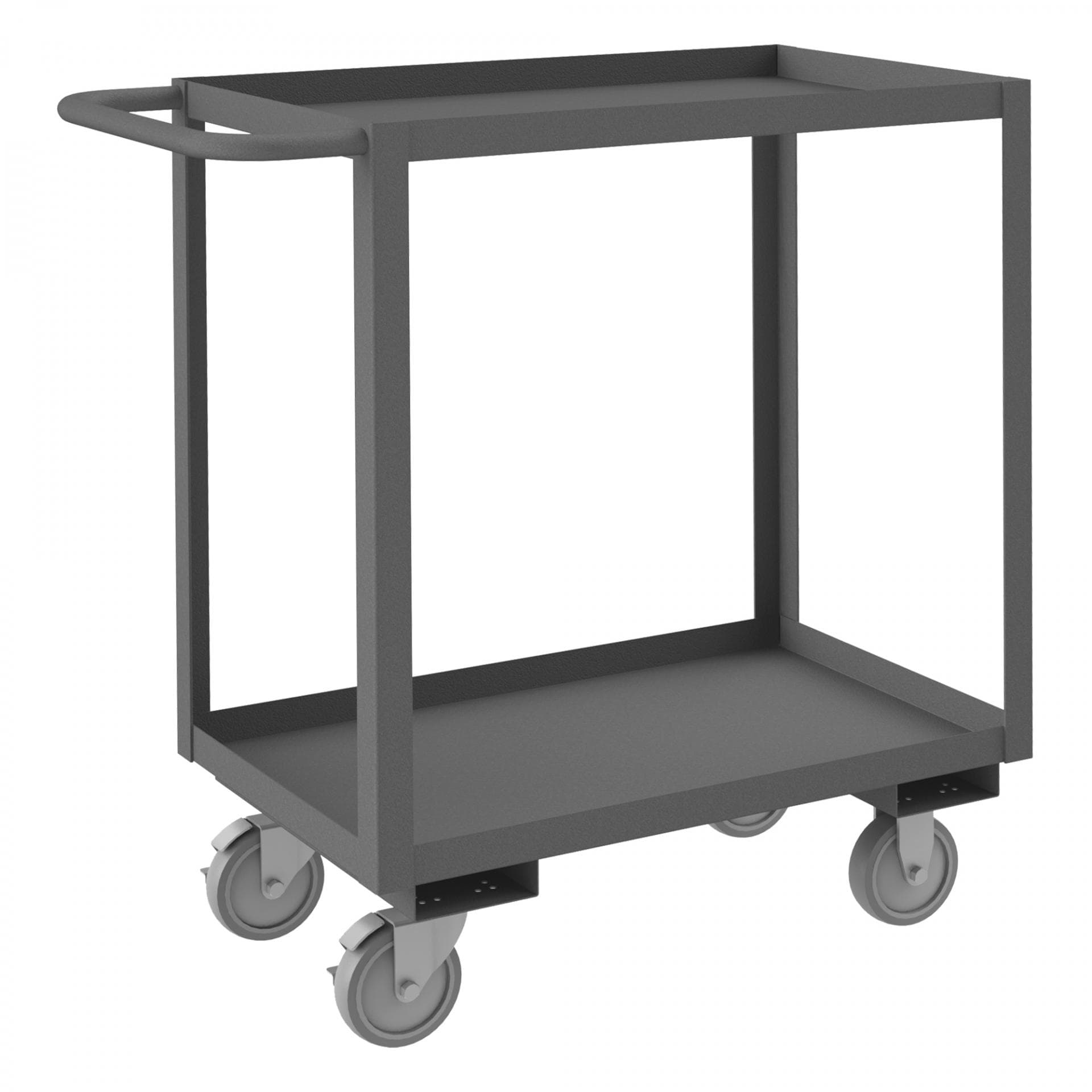
Durham Manufacturing Stock Cart
The Durham Manufacturing Stock Cart is a heavy‑gauge steel solution optimized for industrial throughput and long‑term durability, making it especially attractive for warehouses that need rugged, welded construction for repetitive, high‑weight use. It competes on robustness and predictable lifecycle in hard‑use areas, though it may incur higher maintenance than polymer models (Metro, Rubbermaid) and lacks the bin integration found in Akro‑Mils products.
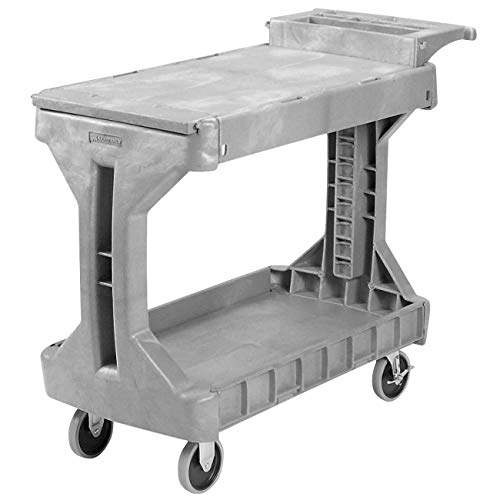
Akro-Mils ProCart
The Akro‑Mils ProCart is a purpose‑built parts and kitting cart that integrates Akro‑Bins and totes to streamline pick, assembly and kanban workflows on production floors, reducing handling time and labor cost per pick. Its specialized bin compatibility and configurable layouts deliver clear productivity advantages over generic utility carts (Rubbermaid, Uline, Durham), and although it can carry a higher unit price, the operational efficiency gains often produce rapid payback in parts‑intensive facilities.
Why Utility Carts Help Productivity and Safety
A range of ergonomic and operational research supports the benefits of purpose-built utility carts in production and warehouse settings. Studies in occupational health indicate that appropriately sized and configured carts reduce repeated lifting and carrying, lowering the risk of musculoskeletal injuries. Lean and 5S implementations show that dedicated picking and replenishment carts cut travel time and errors, improving throughput. Materials research highlights that engineered polymers offer corrosion resistance and lower lifecycle maintenance compared with untreated steel, while stainless steel remains preferred where high-temperature cleaning and strict sanitation are required.
Ergonomics research: adjustable-height shelves and proper push/pull handles reduce upper back and shoulder strain during repeated moves.
Operational studies: using task-specific carts for picking and replenishment reduces travel distance and pick errors in lean workflows.
Materials findings: polymer carts resist rust and chemicals and are lighter, while stainless steel provides superior heat and sanitation performance.
Cost of ownership: lower maintenance and longer service life for corrosion-resistant carts can offset higher upfront cost over several years.
Frequently Asked Questions
Which utility cart should I choose for warehouse use?
Choose the Metro MW Series Polymer Utility Cart if you need sterile, modular carts: it has non-porous polymer shelves that resist bacteria, chemicals, and moisture, plus quiet, non-marking casters for continuous warehouse use (rating 4.7).
What material and cleaning benefits does Metro MW offer?
The Metro MW Series Polymer Utility Cart uses non-porous polymer shelves that resist bacteria, chemicals, and moisture, with smooth surfaces and an open design for fast cleaning and minimal contamination risk (rating 4.7).
How does the Rubbermaid utility cart price compare here?
The Rubbermaid Commercial Heavy-Duty Utility Cart lists at $405.95 CADand is built with double-wall polyethylene that resists dents, rust, and chemicals, with reinforced shelves for repetitive warehouse tasks (rating 4.6).
Is the Uline 3-shelf cart adjustable for different loads?
Yes—the Uline 3-Shelf Utility Cart has adjustable shelf heights and a powder-coated finish for durability, with three-tier steel shelving with rolled edges for stable load support (rating 4.5).
Conclusion
In Canada, the best utility cart depends on your priorities. The Rubbermaid Commercial Heavy-Duty Utility Cart is a strong heavy-use option, the Uline 3-Shelf Utility Cart is a reliable value pick, the Metro MW Series Polymer Utility Cart combines corrosion resistance and modular accessories and is the best overall choice for most production and warehouse operations, the Durham Manufacturing Stock Cart is ideal for heavy loads and rugged environments, and the Akro-Mils ProCart shines where bin organization and parts handling matter. We hope you found what you were looking for; refine or expand your search using the search to compare specs, load ratings, and distributor locations across Canada.