

Best Shaft Couplings for Power Transmission in Canada — Top 5 for 2026
Shaft couplings for power transmission connect drive and driven shafts across conveyors, gearboxes, motors, and variable speed drives. This category includes flexible and rigid designs such as jaw, grid, elastomeric, gear, and torsional couplings optimized for industrial conveyor duty cycles and VFD applications. Canadian buyers favor couplings that reduce vibration and shock, compensate for misalignment, extend bearing and gearbox life, and deliver predictable maintenance intervals. Key purchasing drivers in Canada for 2026 are reliability, energy efficiency, compatibility with local safety and electrical standards, ease of installation, aftermarket support, and the ability to handle frequent start stop cycles and variable torque from modern drive systems. Well-chosen couplings lower total lifecycle cost by minimizing downtime, simplifying spare parts stocking, and improving system noise and vibration characteristics, making them essential components in industrial power transmission and material handling systems.
Inception's AI took the time to understand this market in Canada · · How we pickWe may earn a commission on purchases. It never affects our rankings.
Top Picks Summary
Lovejoy L-Type Jaw Coupling
The Lovejoy L-Type jaw coupling is widely chosen for its simple, fail-safe jaw design and low lifecycle cost, making it ideal for general power-transmission where ease of service and moderate torsional flexibility matter. Compared with heavier grid-style couplings in this list it offers lower upfront cost and lighter-weight installation while still providing good misalignment tolerance and quick elastomer replacement for minimal downtime. Its balance of affordability and reliable performance makes it a strong choice for light- to medium-duty drives where shock loads are limited.

Estimated$80 – $400
Rexnord Omega E10 Elastomeric Coupling
The Rexnord Omega elastomeric coupling stands out for vibration damping and excellent misalignment compensation thanks to its engineered elastomer element, delivering quieter operation and reduced wear on bearings compared with rigid connections. Unlike the grid-type couplings listed, it prioritizes shock absorption and maintenance-free operation over absolute peak torque capacity, which often yields lower total operating costs in applications sensitive to vibration. For power-transmission systems that require smoother startup and protection of downstream components, the Omega is a technical and cost-effective option.

Estimated$150 – $700
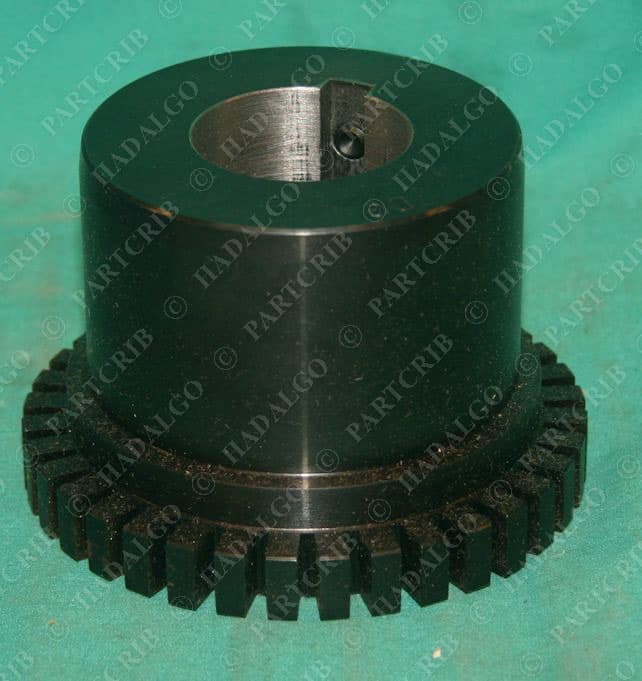
Dodge Grid-Lign Coupling
The Dodge Grid-Lign coupling is a market leader among grid-style couplings, engineered for very high torque, torsional rigidity and resilience to shock and cyclic loading, making it a go-to for heavy rotating equipment. While its initial cost is higher than elastomeric or jaw couplings, its replaceable grid elements and robust construction lower lifecycle costs in severe-duty service compared with softer couplings that may wear faster under shock. When uptime and torque capacity are primary priorities in power transmission, Grid-Lign offers a durable, serviceable solution.
Estimated$700 – $3,000
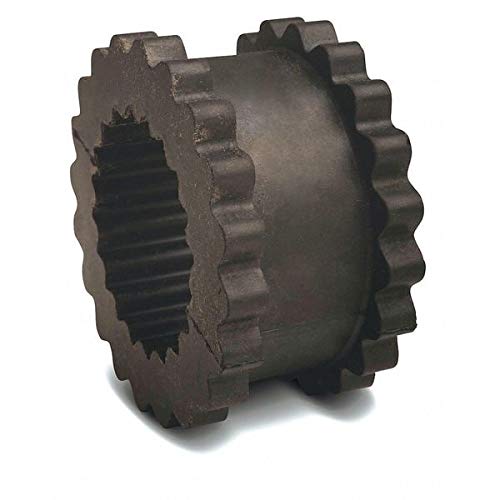
TB Wood's Sure-Flex Plus Coupling Pulleys
TB Wood's Sure-Flex coupling is a long-established, economical elastomeric solution that delivers simple installation, compact footprint, and effective damping for typical pump and conveyor drives. It competes directly with jaw and elastomeric designs by offering very low procurement and stocking cost and quick replacement of flexible elements, although it does not match the heavy-duty torque capacity of grid couplings like Dodge or Falk. For budget-conscious power-transmission applications requiring moderate misalignment tolerance and vibration control, Sure-Flex offers strong value.
Falk Steelflex Grid Coupling
The Falk Steelflex grid coupling is positioned as a premium, heavy-duty grid coupling engineered for maximum torque transmission, low backlash and long service life in high-shock environments. Compared with the elastomeric and jaw couplings on this list, Steelflex commands a higher upfront investment but reduces replacement frequency and downtime in severe applications, often delivering the best total cost of ownership where torque and durability govern selection. For large industrial power-transmission systems that require rugged, serviceable couplings, Steelflex is a technical market leader.

Estimated$1,000 – $6,000
Research and practical benefits: what studies show
Academic and industry research, combined with manufacturer test data and long-term field studies, demonstrates that appropriate coupling selection measurably reduces mechanical wear, vibration, and unscheduled downtime. Studies on misalignment and dynamic loading show that flexible elements, like elastomeric inserts, absorb shock and damp torsional vibration, while grid and gear couplings transmit high torque with controlled backlash. For buyers, this science translates into longer bearing life, fewer shaft replacements, improved drive train efficiency, and more predictable maintenance cycles. Below are simple, research-backed takeaways presented for nontechnical readers.
Misalignment compensation: Research indicates even small misalignments increase bearing load and reduce life; flexible couplings reduce those loads and extend component service life.
Vibration and torsional damping: Elastomeric and torsionally soft designs reduce shock transmission and resonance, lowering the risk of fatigue failure in gearboxes and shafts.
Torque transmission and backlash: Grid and gear couplings provide high torque capacity with minimal backlash, improving precision in variable speed and indexing applications.
Energy and efficiency: Proper alignment and the right coupling can reduce parasitic losses and heat, contributing to modest energy savings over long duty cycles.
Maintenance and safety: Fail-safe jaw-style couplings and condition-monitored designs reduce the risk of catastrophic failure and make preventive maintenance planning more effective.
Frequently Asked Questions
Which Lovejoy L-Type jaw coupling is best for service?
Lovejoy L-Type Jaw Coupling suits general power transmission when you want quick, low-maintenance service; it uses a simple two-hub design with snap-fit assembly and an elastomeric spider for vibration damping and shock absorption.
What vibration and shock features does Rexnord Omega include?
Rexnord Omega Elastomeric Coupling includes an engineered elastomer element with segmented elastomer inserts for vibration damping and strong misalignment compensation, plus easy field replacement of wear parts.
How does Dodge Grid-Lign value compare to elastomeric?
The Dodge Grid-Lign Coupling is described as having higher initial cost than elastomeric or jaw couplings, but it’s engineered for very high torque, torsional rigidity, and resilience to shock and cyclic loading.
Does Rexnord Omega help reduce bearing wear?
Yes—Rexnord Omega Elastomeric Coupling is described as delivering quieter operation and reduced wear on bearings versus rigid connections, using an engineered elastomer element for torsional stability.
Conclusion
In Canada, selecting the right shaft coupling for conveyor and power transmission systems means balancing torque capacity, misalignment tolerance, damping, and maintainability. The five leading choices covered here are Lovejoy L-Type Jaw Coupling, Rexnord Omega Elastomeric Coupling, Dodge Grid-Lign Coupling, TB Wood's Sure-Flex Coupling, and Falk Steelflex Grid Coupling. For most conveyor-driven and variable speed drive applications, the Rexnord Omega Elastomeric Coupling stands out as the best overall option because of its combination of torsional damping, misalignment compensation, and low-maintenance operation. We hope you found what you were looking for; use the search to refine by torque rating, shaft size, or application, or expand your search to include installation guides and local Canadian suppliers.