

Top 5 Composite Pallets in Canada 2026 — Lightweight Hybrid Pallets for Material Handling
Published on Saturday, January 24, 2026
Composite pallets for material handling are hybrid platforms that combine wood, plastic, and resin technologies to deliver high strength, reduced weight, and improved resistance to moisture and corrosion. In Canada these pallets appeal to a wide range of industries — from food and beverage and cold chain logistics to e-commerce and manufacturing — because they offer the load performance of metal with the corrosion resistance and recyclability of plastics. Buyers prefer composite pallets for lower lifecycle costs, consistent dimensions that work with automated equipment, easier sanitation, and better performance in damp or refrigerated environments. Sustainability and circular-economy goals are driving purchasing decisions in Canada, while shippers also value reduced freight costs from lighter pallets and fewer pallet-related disruptions in automated warehouses.
Top Picks Summary
Litco Inca Presswood Pallet
The Litco Inca presswood pallet earns a best-in-class spot for material handling where low upfront cost and recyclability are priorities; its molded, compressed-wood construction delivers a very competitive purchase price and consistent dimensional accuracy for automated lines. Compared with the composite and fiberglass options on this list, the Inca trades some long-term durability for substantially lower replacement and disposal costs, making it the smart economical choice for one-way shipping, export pallets, and large-volume operations focused on tight CAPEX.
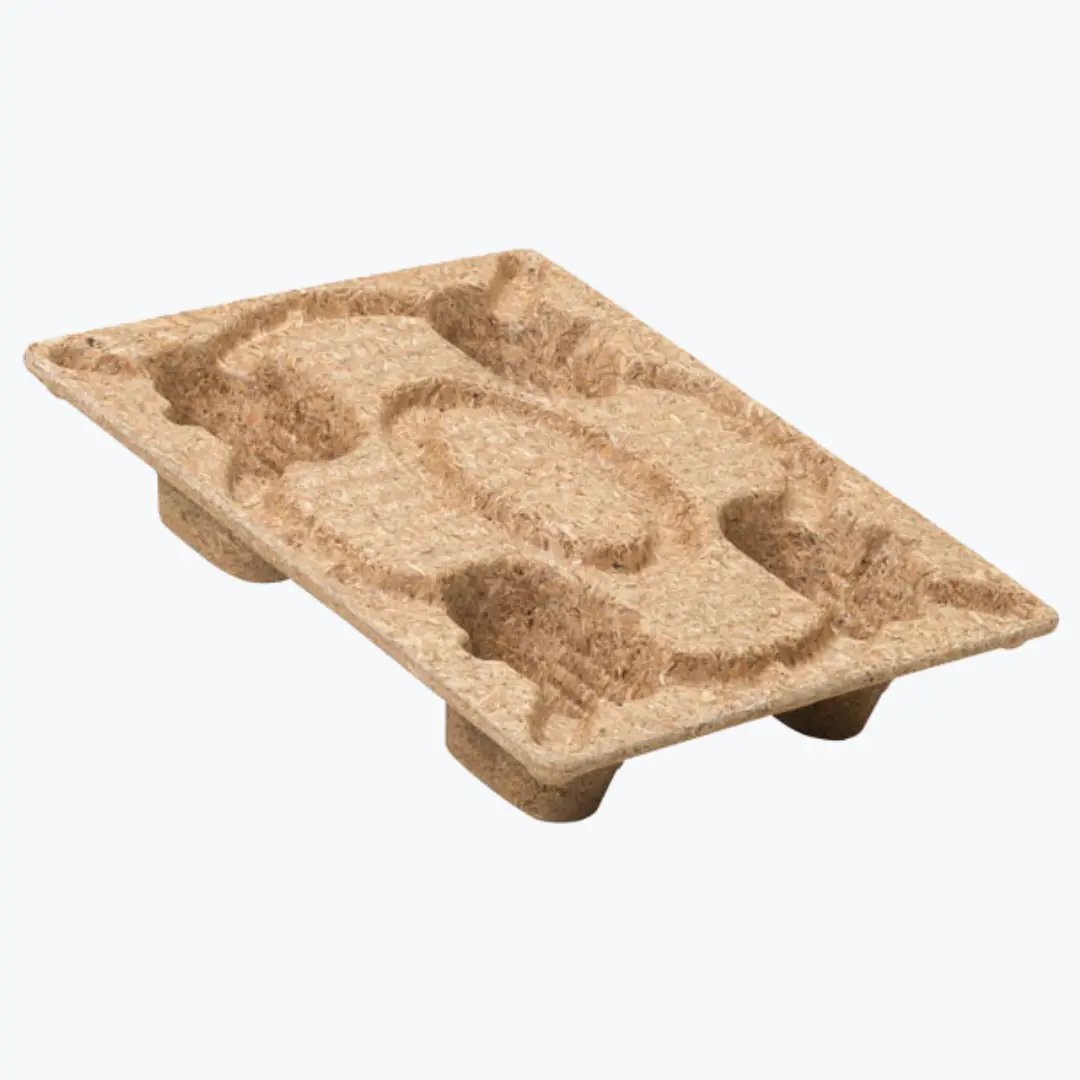
Where to buy Litco Inca Presswood Pallet in Canada: the trusted retailers we track in this market, with the best price we have observed at each. Prices are checked regularly and can change, and the retailer confirms the final price at checkout.
We may earn a commission on purchases. It never affects our rankings.
$40 – $80
ORBIS Odyssey Composite Pallet
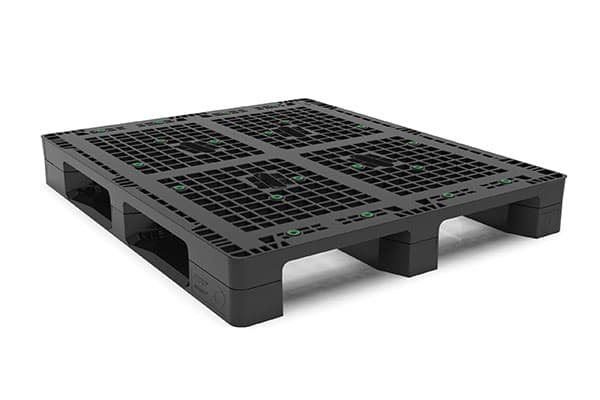
The ORBIS Odyssey composite pallet is positioned as a market-leading reusable composite solution, notable for a high strength-to-weight ratio, nestability for return logistics, and food- and export-friendly sanitation properties. While it carries a higher unit price than presswood models like Litco and Lavex, its longer lifecycle and reduced handling damages often deliver a lower total cost of ownership in high-turnover, multi-trip supply chains commonly found in material handling applications.
Molded Fiber Glass Composite Pallet
The molded fiberglass composite pallet stands out technically for exceptional chemical resistance, thermal stability and stiffness, making it the preferred choice for corrosive environments, strict washdown regimes, and applications demanding long structural life. Compared to the plastic-based ORBIS and CABKA hybrids, the fiberglass option has a higher initial price but superior environmental resilience and dimensional stability, which can translate into lower lifecycle maintenance and fewer operational interruptions in demanding industrial settings.

Lavex Industrial Presswood Pallet
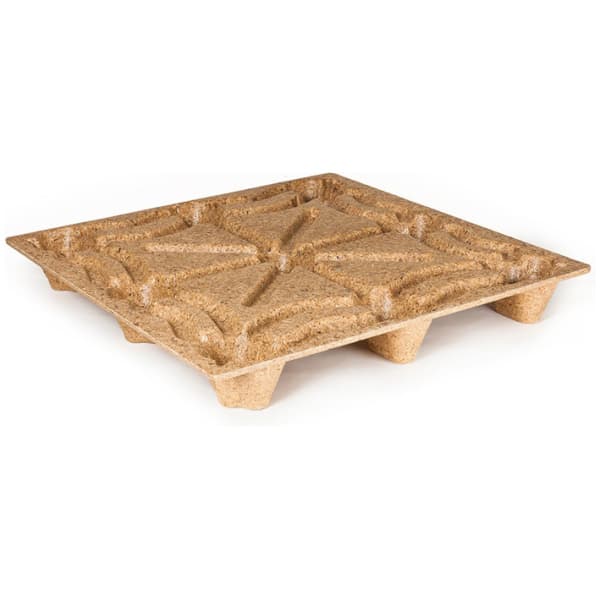
Lavex’s industrial presswood pallet is tailored for heavier-duty material handling uses where presswood’s low cost and engineered strength are required across frequent single-trip or moderate reuse scenarios. It competes directly with the Litco Inca by offering slightly higher load ratings and custom sizing at similar price points, delivering a compelling financial advantage for operations that want presswood’s recyclability but need closer-to-composite load performance without the higher capital outlay.
CABKA Hybrid Pallet
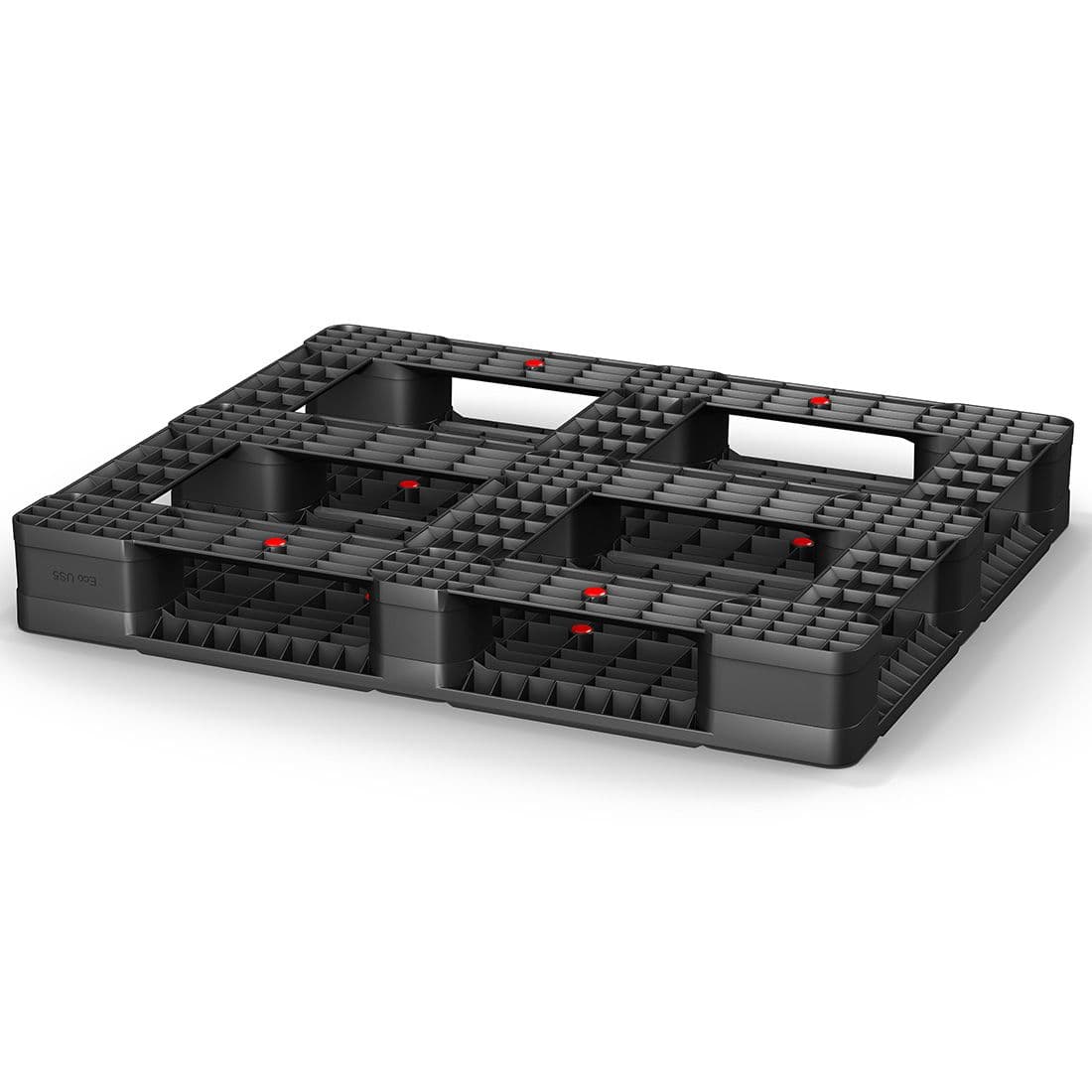
The CABKA hybrid pallet is a market leader among hybrids for its optimized combination of plastic and composite elements that yield high stiffness, low weight and excellent lifecycle recyclability—well-suited to automated handling and high-frequency reuse. Although its purchase price is at the top end relative to presswood and some pure-plastic designs, CABKA’s hybrid construction often delivers superior lifecycle economics versus single-material pallets on this list by reducing damage rates and supporting intensive reuse in complex distribution networks.
Research and Evidence Behind Composite Pallet Benefits
Independent laboratory tests, industry performance trials, and life cycle assessments support the claimed advantages of composite pallets. Mechanical testing demonstrates that modern composite formulations deliver a favorable strength to weight ratio compared with traditional wood pallets. Moisture absorption tests show significantly lower water uptake than untreated wood, improving dimensional stability in cold and wet environments. Life cycle studies and manufacturer recycling programs indicate reduced total cost of ownership and lower environmental impact when pallets are selected for longevity and end-of-life recyclability. These findings are presented here in straightforward terms so buyers can evaluate composite pallets alongside wood, plastic, and metal options.
Strength to weight: Composite pallets often match or exceed wood pallet load capacities while weighing less, lowering transport costs.
Moisture resistance: Composite materials absorb less water than wood, reducing swelling, mold risk, and dimensional changes in cold or humid conditions.
Longevity and cost of ownership: Longer service life and lower maintenance reduce replacement frequency and total lifecycle cost.
Hygiene and cleanliness: Smooth composite surfaces are easier to clean and sanitize, beneficial for food and pharmaceutical supply chains.
Recyclability and emissions: When sourced and managed correctly, composite pallets can reduce landfill waste and lower lifecycle greenhouse gas emissions compared with single-use options.
Automation compatibility: Consistent dimensions and strength improve reliability in automated storage and retrieval systems and conveyor handling.
Frequently Asked Questions
Which pallet should I choose for automated material handling?
Choose the Litco Inca Presswood Pallet if you want low upfront cost and recyclability, built for 4-way forklift entry and compatibility with standard conveyors and automated systems; it’s rated 4.3/5.
What does the ORBIS Odyssey composite pallet resist?
The ORBIS Odyssey Composite Pallet uses high-performance composite resin construction that resists moisture, chemicals, and abrasion for long service life; it’s rated 4.7/5.
Is the ORBIS Odyssey composite pallet worth higher cost?
The ORBIS Odyssey Composite Pallet has a higher unit price than presswood (exact price not provided) but adds washdown-capable, hygienic design with food-contact options and long service life; rating is 4.7/5.
Which pallet is best for corrosive environments and washdown?
The Molded Fiber Glass Composite Pallet is preferred for corrosive environments and strict washdown regimes, with excellent corrosion and chemical resistance plus a non-porous surface easy to clean; rating is 4.5/5.
Conclusion
In the Canadian context, composite pallets are a practical choice for operations that need metal-like performance without metal drawbacks. The five notable options profiled here are the Litco Inca Presswood Pallet, ORBIS Odyssey Composite Pallet, Molded Fiber Glass Composite Pallet, Lavex Industrial Presswood Pallet, and CABKA Hybrid Pallet. For most Canadian warehouses and cold chain operations the ORBIS Odyssey Composite Pallet stands out as the best overall choice because it balances strength, weight savings, moisture resistance, and broad compatibility with automated systems. We hope you found the comparison useful; if you want to refine or expand your search, use the site search to filter by load capacity, dimensions, material handling application, or sustainability criteria.