

Top 5 Industrial Wood Single Face Pallets in Canada - 2026
Published on Saturday, January 24, 2026
Single face pallets offer a top deck for supporting loads with a plain or partial bottom for low-cost handling and storage. In Canada their appeal rests on affordability, repairability, and local supply from forested regions, making them ideal for one-way shipments, internal warehousing, and industries that do not require bottom-deck strength. Buyers prefer single face designs for lighter loads, easier recycling, and lower freight cost; buyers in e-commerce, manufacturing, agriculture, and retail often choose standard sizes such as 48x40 for compatibility with forklifts and automated equipment. In 2026 Canadian purchasers are also prioritizing sustainability credentials, heat treatment for cross-border compliance, and pallet pooling options that reduce lifecycle cost and waste.
Top Picks Summary
Hardwood Single Face Pallet 48x40
This 48x40 hardwood single-face pallet is a best-in-class choice for heavy-duty industrial loads because dense hardwood boards and robust construction deliver higher static and dynamic load ratings and longer service life than typical softwood designs. Although its upfront purchase price is higher than softwood options like PECO, the reduced replacement frequency and improved resistance to forklift damage and moisture generally produce a lower lifecycle cost for high-value or returnable shipments.

CHEP Single Face Wood Pallet
CHEP is the market leader through its global pallet pooling model, offering consistent quality, standardized dimensions and a large rental network that reduces capital tied up in pallet ownership compared with buy-only products such as the Hardwood 48x40. Financially this pooling approach lowers per-use cost for high-turn distribution operations, though customers trade some of the bespoke durability and material choices available from dedicated hardwood suppliers.
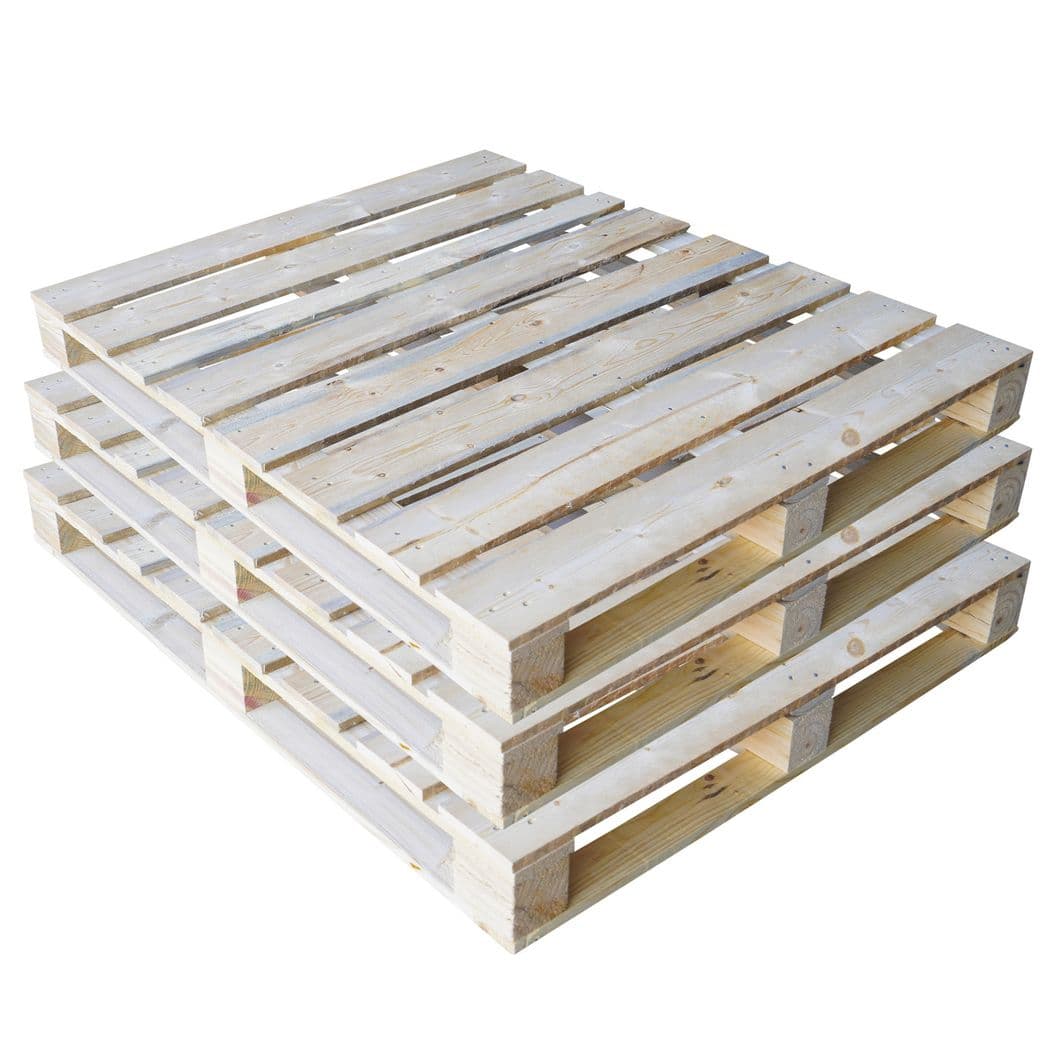
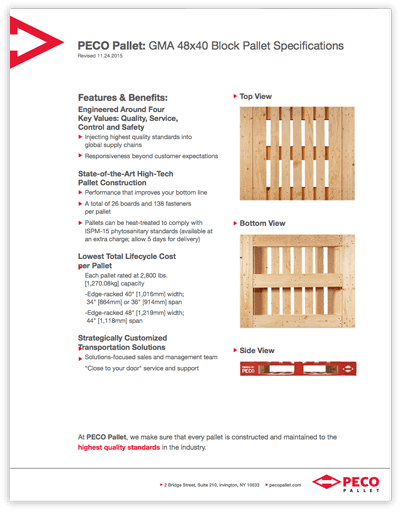
PECO Softwood Single Face Pallet
The PECO softwood single-face pallet emphasizes low initial cost and lightweight handling, making it well suited to high-volume, lower-weight industrial shipments where minimising upfront expenditure is the priority. Compared with hardwood and pooled alternatives, PECO delivers attractive replacement economics and lower freight costs per pallet, but it typically requires more frequent replacement and offers lower load capacity and lifespan than hardwood options.
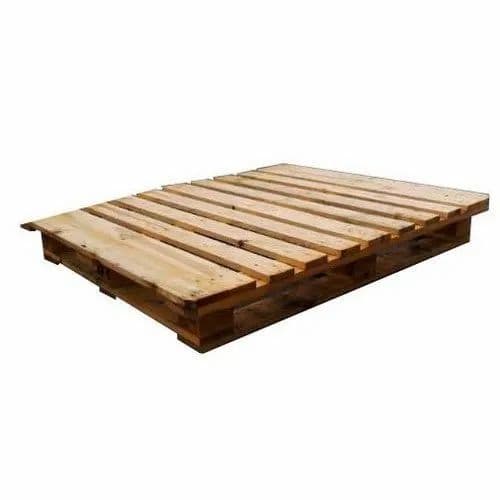
Norseman Lumber Single Face Pallet
Norseman Lumber’s single-face pallet combines regional hardwood sourcing and configurable builds to strike a middle ground between heavy-duty 48x40 hardwoods and low-cost softwood models. Its strength-grade options and local supply reduce lead times and freight expense, making it financially appealing for operations that need tailored durability without adopting a global pooling contract like CHEP.
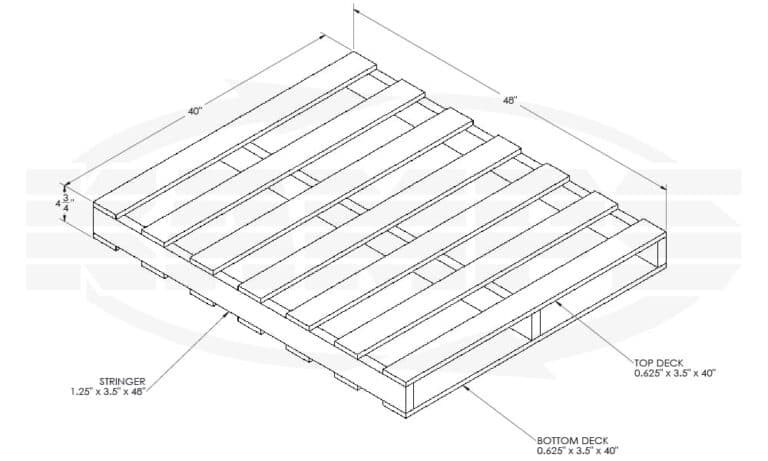
Kamps Hardwood Single Face Pallet
Kamps' hardwood single-face pallet is engineered for demanding industrial environments, using kiln-dried hardwoods and precision fastening to improve dimensional stability and reduce fumigation or treatment needs compared with untreated softwood pallets. While the purchase price is above mass-market softwood alternatives, Kamps offers lower total cost of ownership through longer service life, reduced product damage and consistent performance for owned-pallet supply chains.
Research and Evidence Behind Wood Single Face Pallets
Scientific and industry research supports many of the practical benefits of wood single face pallets. Life cycle assessment studies and industry analyses show that wood pallets often outperform plastic alternatives on renewable material use and end-of-life recyclability, while heat treatment and proper moisture management lower pest and fungal risk. Ergonomic and handling studies indicate that standardized pallet sizes reduce manual handling incidents and improve material flow efficiency. The result is a cost-effective, lower-carbon choice for many Canadian supply chains when pallets are sourced, treated, and repaired responsibly.
Life cycle assessments typically show wood pallets have a lower embodied energy and higher recyclability than many plastic alternatives when repaired and reused.
Heat treatment and fumigation protocols, including ISPM 15 compliance, significantly reduce phytosanitary risk for international shipments.
Standard sizes such as 48x40 improve handling efficiency and reduce injury risk by enabling consistent forklift and racking operations.
Repaired or remanufactured wood pallets extend service life and reduce total waste, supporting circular economy goals favored in Canadian procurement.
Moisture control and species selection (hardwood vs softwood) affect durability and load capacity; research supports hardwood for heavier repeat loads and softwood for low-cost, one-way use.
Frequently Asked Questions
Which pallet should I choose for heavy industrial loads?
Choose the Hardwood Single Face Pallet 48x40: it’s described as a heavy-load option built from kiln-dried hardwood with a single-face deck optimized for repeated forklift handling, and it has an average rating of 4.6.
What specific size and deck type does Hardwood 48x40 offer?
The Hardwood Single Face Pallet 48x40 uses a classic 48x40 footprint and a single-face deck designed for heavy industrial loads and repeated forklift handling; its average rating is 4.6.
How does CHEP compare in price versus buying a pallet?
CHEP Single Face Wood Pallet is part of a pooled rental/fee model that reduces capital outlay versus buy-only options like the Hardwood 48x40, and it carries an average rating of 4.7.
Is PECO Softwood okay for one-way shipping and lighter loads?
Yes—the PECO Softwood Single Face Pallet is built from softwood for a lighter, lower-cost single-face pallet suited to one-way or lower-duty use, with an average rating of 4.3.
Conclusion
In Canada the best single face pallet depends on priorities. The Hardwood Single Face Pallet 48x40 is a durable, standardized option for heavier loads. The CHEP Single Face Wood Pallet stands out for pooled availability, traceability, and consistent quality and is the best choice among the main products listed here for companies prioritizing reliability and sustainability. The PECO Softwood Single Face Pallet is a cost-effective pooled solution for lighter shipments. The Norseman Lumber Single Face Pallet offers locally sourced Canadian lumber and strong repair networks. The Kamps Hardwood Single Face Pallet provides hardwood durability and custom finishing. I hope you found what you were looking for; use the search to refine or expand your options by size, material, treatment, or supplier.