

Top 5 Engine Control Units for Motorcycle EFI Systems in Canada (2026)
Engine Control Units (ECUs) for motorcycle EFI systems are the brains behind modern fuel injection and ignition control. In Canada, riders choose OEM replacement and aftermarket standalone ECUs to unlock better throttle response, cleaner emissions, improved fuel economy, and advanced tuning for custom engines, turbo and nitrous applications, and ride-by-wire conversions. Popular features in 2026 include CAN bus integration, multi-map support, smartphone connectivity, cloud mapping and expanded sensor inputs. Consumers prefer ECUs that balance plug-and-play convenience with deep configurability, reliable data logging for dyno and street tuning, and robust support for cold-weather and altitude variation common across Canada.
Inception's AI took the time to understand this market in Canada · · How we pickWe may earn a commission on purchases. It never affects our rankings.
Top Picks Summary
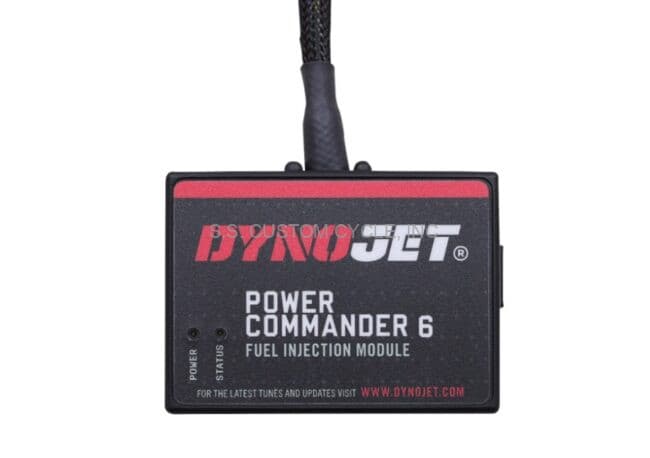
Power Commander 6
The Power Commander 6 is a market-leading piggyback tuned for motorcycle EFI systems because of its wide vehicle coverage, massive map database and plug-and-play simplicity that gets riders running quickly. It holds an advantage over full standalone systems on price and installer availability, offering reliable fuel and ignition mapping without the complexity or cost of Haltech or FuelTech. Compared with other piggybacks on this list it remains the most user-friendly and cost-efficient choice for riders who want significant performance gains with minimal wiring or tuning infrastructure.
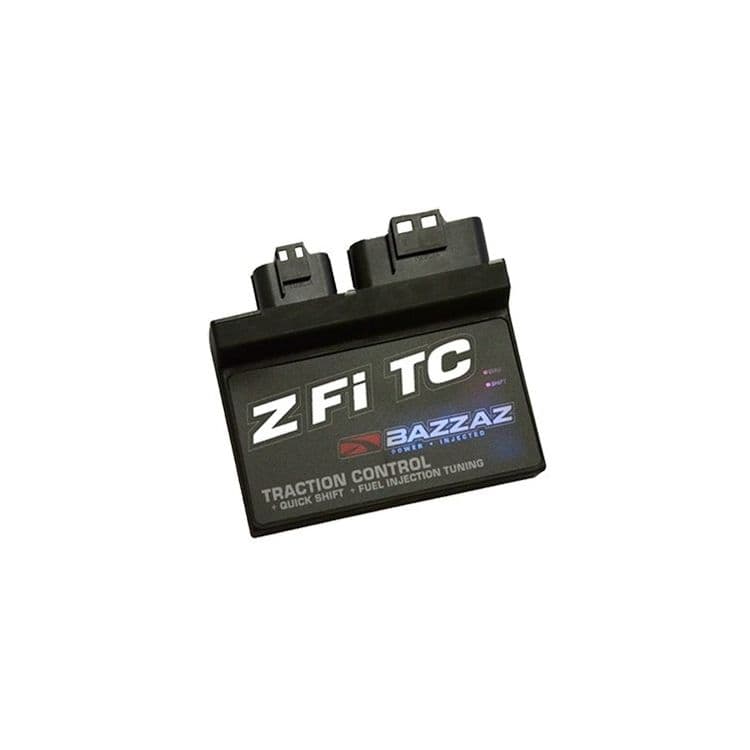
Bazzaz Z-Fi TC
The Bazzaz Z-Fi TC positions itself as the premium piggyback by combining fueling/ignition control with integrated traction control and quickshifter support, giving track-focused riders many standalone-like features without a full ECU swap. It is generally more expensive than the Power Commander but cheaper and less invasive than the Haltech or FuelTech standalone options, making it attractive where traction and rider aids are a priority. Technically it bridges the gap between simple piggybacks and full ECUs by adding dynamic torque-management features while still preserving the stock ECU safety net.
Haltech Elite 550
The Haltech Elite 550 is a compact standalone ECU that earns its place for motorcycle EFI systems through robust engine management functions, flexible I/O and strong tuning software at a competitive price point. Compared with piggyback solutions like Dynojet and Bazzaz it provides full control of fueling, ignition, traction and advanced sensors, making it the economical entry to true standalone control; against the FuelTech FT450 it trades some motorsport-specialized features for easier setup and a broader tuner network. For builders needing full customization without paying top-tier race prices, the Elite 550 strikes a practical technical and financial balance.

Estimated$1,300 – $1,800
FuelTech FT450
The FuelTech FT450 is a high-end standalone ECU and integrated dash/logger aimed at serious racers who need advanced control, high-speed datalogging and extensive traction/launch strategies. It typically costs more than Haltech's Elite line but delivers motorsport-grade features and real-time control that outpace piggybacks like Dynojet and Bazzaz for competition use. Technically it excels in fast sampling, in-depth ignition/fuel strategies and race telemetry, making it the choice where performance margins and data precision drive purchase decisions.

Rapid Bike Racing
Rapid Bike Racing is a European-focused piggyback solution known for refined throttle calibration, smooth fueling maps and strong OEM-style integration, making it a cost-effective option for riders who want improved rideability without full standalone complexity. It is generally more affordable than standalone systems and competes closely with Dynojet on price while offering tailored map strategies for many European motorcycles, though it lacks the traction and telemetry depth of Bazzaz or FuelTech. For riders in Europe seeking a balance of value and ride quality improvements, Rapid Bike provides a technically polished alternative to the larger-market piggybacks.

How ECUs Improve Performance: Research and Practical Evidence
Scientific research, industry dyno testing and independent tuners consistently show that modern ECUs can optimize air-fuel ratio, ignition timing and transient response more precisely than stock engine management. The combined effect is safer tuning margins, better drivability and measurable gains in efficiency and power when systems are properly mapped. Studies and field tests also demonstrate benefits from closed-loop lambda control, adaptive ignition strategies, and integrated sensor networks enabled by CAN bus communications.
Closed-loop fueling with wideband O2 feedback reduces rich or lean conditions across load and temperature ranges, improving emissions and fuel efficiency.
Adaptive ignition timing and knock control allow safer advanced timing for higher performance without increasing engine risk under varying fuel and ambient conditions.
Multi-map support and map switching (for fuel, ignition and traction control) enable versatile setups for street, track and forced-induction or nitrous use.
CAN bus integration and expanded sensor inputs consolidate telematics and diagnostic data, enabling faster troubleshooting and more accurate closed-loop control.
Cloud mapping and smartphone connectivity make iterative tuning faster and more accessible, letting tuners share baseline maps and apply updates remotely.
Frequently Asked Questions
Which ECU should I buy for my EFI bike?
Choose the Dynojet Power Commander 6 if you want piggyback piggyback ease: model-specific plug-and-play harnesses, USB tuning, and a 4.6 average rating at $934.96 CADfor many sport and naked bikes.
Does the Haltech Elite 550 support wideband O2 tuning?
Yes—the Haltech Elite 550 tuning software supports wideband O2, plus high-resolution datalogging and comprehensive fuel, ignition, and timing control, with a 4.7 average rating.
Is the Power Commander 6 cheaper than Elite 550?
Yes: Dynojet Power Commander 6 is $934.96 CADwhile the Haltech Elite 550 costs $1,608.33—so you pay less for plug-and-play piggyback tuning with a 4.6 rating.
What does the Bazzaz Z-Fi TC include for riders?
The Bazzaz Z-Fi TC combines integrated traction-control and quick-shifter functionality with fuel and ignition control, includes plug-in installation with multi-map switching, and has a 4.3 average rating.
Conclusion
In Canada, the right motorcycle ECU depends on your bike, tuning goals and desired level of control. This page highlights five leading options: Dynojet Power Commander 6 for reliable plug-and-play map management, Bazzaz Z-Fi TC for combined fueling and traction control, Haltech Elite 550 for full standalone capability and advanced CAN integration, FuelTech FT450 for motorsport-grade features, and Rapid Bike Racing for lightweight, performance-focused tuning. For most riders seeking a future-proof, fully featured standalone ECU, the Haltech Elite 550 stands out as the best overall choice on this list. We hope you found what you were looking for — refine or expand your search using the site search to compare compatibility, wiring harnesses, and local Canadian tuning support.